
The Most Celebrated Oscar-Winning Films You Can Stream Right Now (2026)
In the pantheon of cinema, few accolades carry the weight and prestige of an Academy Award. The golden statuette represents the pinnacle of filmmaking achievement—a testament to artistic excellence, technical mastery, and cultural significance. StreamLume proudly presents a curated collection of Oscar-winning masterpieces that have defined generations and elevated the art form. From haunting psychological portraits to sweeping epics, these films represent cinema at its most ambitious and accomplished. Each selection bears the unmistakable mark of greatness that comes from visionary directors working with exceptional talent both in front of and behind the camera. Whether you're revisiting these classics or experiencing them for the first time, these films demonstrate why the Academy's recognition has endured as the ultimate symbol of cinematic achievement.
American Beauty (1999)

Sam Mendes' directorial debut remains one of the most audacious Best Picture winners of the modern era, a suburban nightmare dressed in the trappings of pitch-black comedy. Kevin Spacey's Oscar-winning performance as Lester Burnham—a middle-aged man experiencing an existential awakening amid his crumbling marriage and stifling corporate job—walks a tightrope between pathos and dark humor. The film's iconic imagery—particularly the recurring motif of rose petals—has become permanently etched in cinema's visual language. Cinematographer Conrad L. Hall's meticulous framing transforms ordinary suburban spaces into compositions of quiet desperation, each frame a painterly meditation on American disillusionment. The late 90s setting perfectly captures a society on the precipice of the new millennium, questioning the hollow achievements of material success while searching for authentic meaning. The drama unfolds like a theatrical production where each character's facade gradually crumbles, revealing the complicated truths beneath. When revisited today, "American Beauty" still provokes and challenges, asking uncomfortable questions about desire, conformity, and the quiet desperation lurking behind manicured lawns and picture-perfect domestic facades.
🎬 Did You Know? The iconic rose petal sequences were created using silk petals that had to be individually placed by hand for each shot, requiring thousands of petals and meticulous arrangements.

American Beauty
Lester Burnham, a depressed suburban father in a mid-life crisis, decides to turn his hectic life around after developing an infatuation with his daughter's attractive friend.
The Silence of the Lambs (1991)
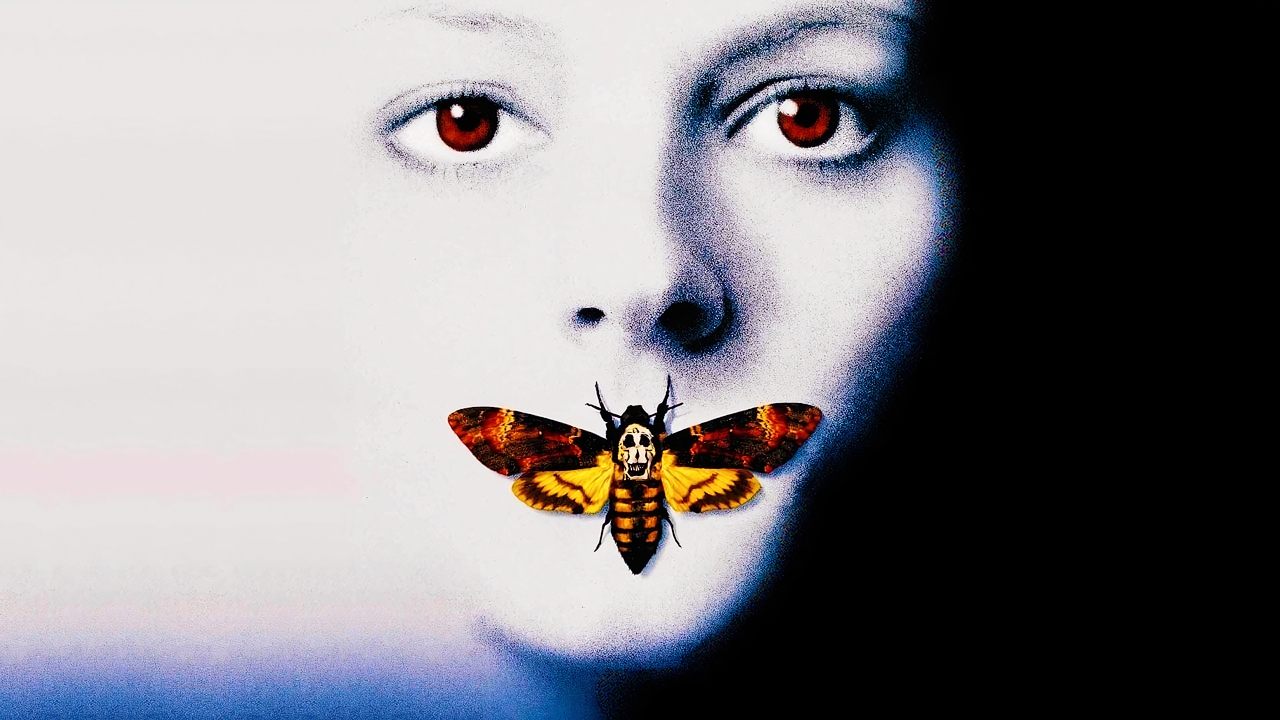
Jonathan Demme's psychological thriller remains the rare genre film to sweep the "Big Five" Academy Awards (Picture, Director, Actor, Actress, and Screenplay)—a testament to its extraordinary craftsmanship and cultural impact. Jodie Foster's Clarice Starling is the perfect audience surrogate, her intelligence and determination constantly tested by both the institutional sexism of the FBI and the psychological games played by Anthony Hopkins' mesmerizing Hannibal Lecter. Their scenes together—often separated by glass or bars—crackle with intellectual tension and unspoken power dynamics. What distinguishes Demme's approach is his use of extreme close-ups and direct-to-camera address, creating an uncomfortable intimacy that forces viewers into the psychological spaces of both predator and prey. The film's exploration of gender politics remains startlingly relevant, depicting a woman navigating male-dominated spaces where her body is constantly observed, judged, and threatened. Howard Shore's unsettling score heightens the atmosphere of dread without resorting to cheap scares. Beyond its technical excellence, "The Silence of the Lambs" succeeds as a profound character study disguised as a procedural investigation, where the hunt for serial killer Buffalo Bill becomes secondary to Starling's psychological journey through landscapes of trauma, ambition, and resilience.
🎬 Did You Know? Anthony Hopkins' chilling performance as Hannibal Lecter earned him an Academy Award despite appearing on screen for just 16 minutes—one of the shortest performances ever to win an Oscar.
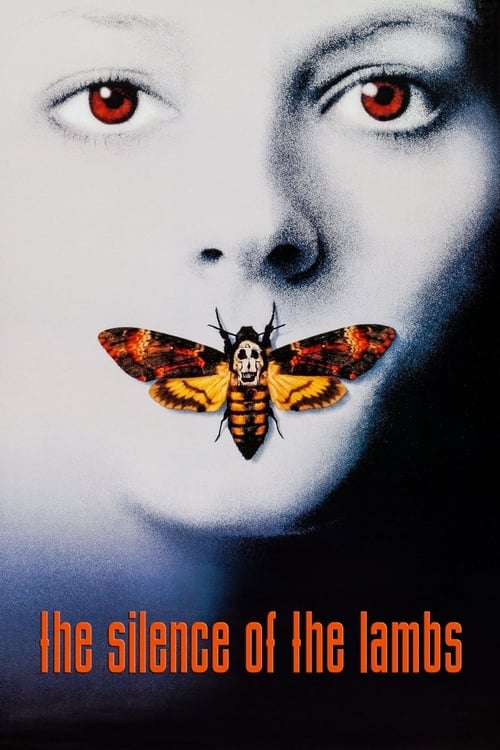
The Silence of the Lambs
Clarice Starling is a top student at the FBI's training academy. Jack Crawford wants Clarice to interview Dr. Hannibal Lecter, a brilliant psychiatrist who is also a violent psychopath, serving life behind bars for various acts of murder and cannibalism. Crawford believes that Lecter may have insight into a case and that Starling, as an attractive young woman, may be just the bait to draw him out.
The Apartment (1960)
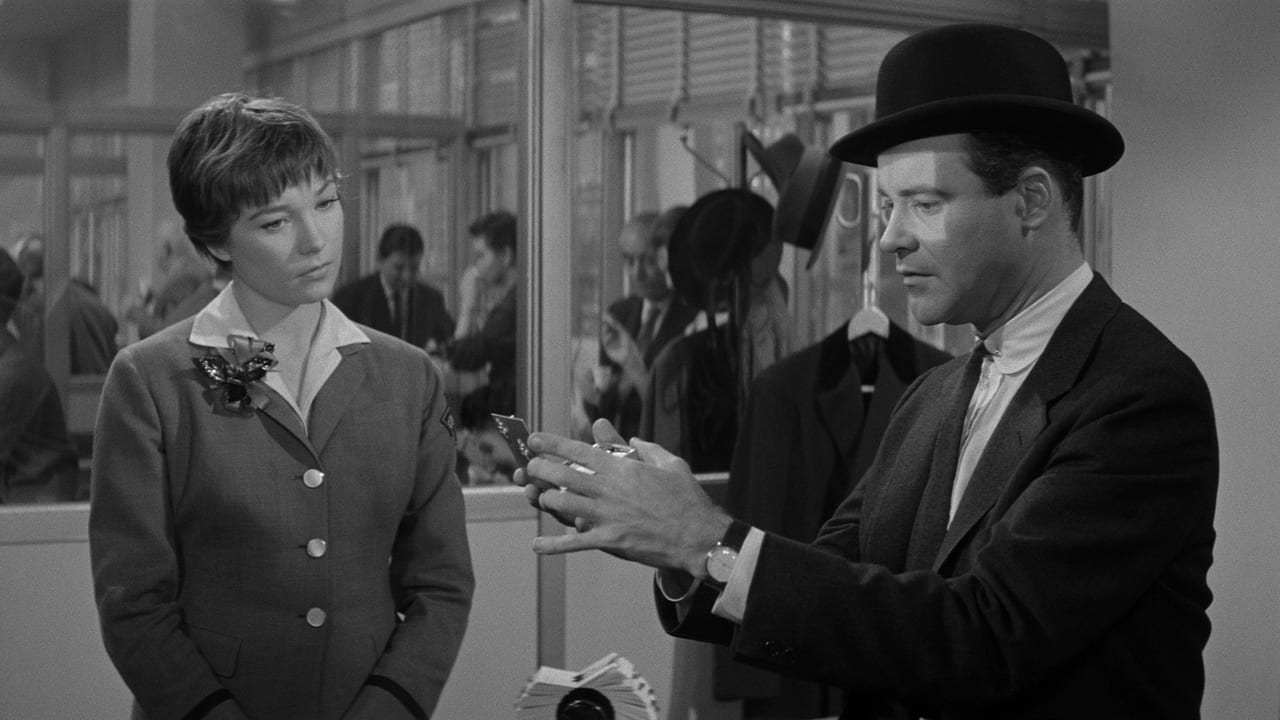
Billy Wilder's Best Picture winner represents Hollywood comedy at its most sophisticated and bittersweet. Jack Lemmon's C.C. Baxter—a corporate drone who loans his apartment to company executives for their extramarital affairs—embodies the moral compromises required by corporate America's ladder-climbing ethos. His counterpart in Shirley MacLaine's elevator operator Fran Kubelik provides the emotional heart of the film, her fragility and resilience creating a character of remarkable depth. Shot in gorgeous black-and-white by Joseph LaShelle, the film's visual compositions emphasize isolation within crowded spaces—whether in Baxter's tiny apartment or the vast, dehumanizing insurance office where rows of identical desks stretch toward infinity. What makes "The Apartment" so remarkable is Wilder's tonal balancing act, blending comedy with moments of genuine despair and moral questioning. The film's frank treatment of extramarital affairs, attempted suicide, and workplace sexual politics was shockingly progressive for 1960, challenging the Production Code's restrictions while revealing the hollow core of America's postwar prosperity. When viewed today, "The Apartment" feels surprisingly modern in its cynicism about corporate culture and its compassionate treatment of characters trapped within systems designed to exploit their vulnerabilities.
🎬 Did You Know? Jack Lemmon prepared for his role by working in a real insurance office for several days, with none of the actual employees realizing he was a famous actor researching a part.
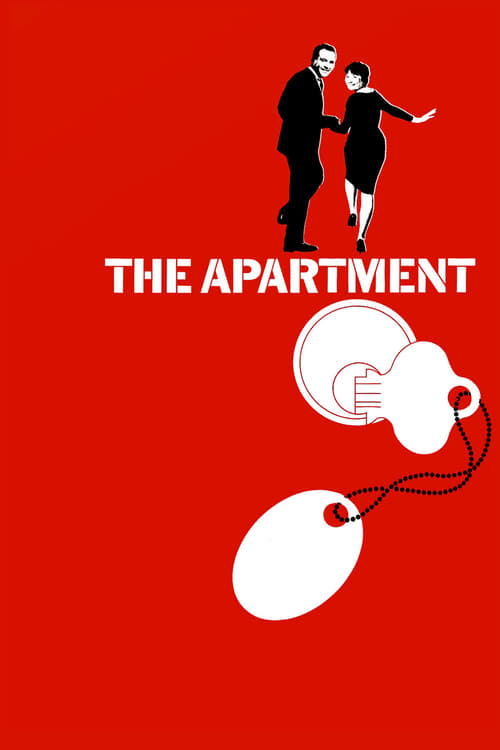
The Apartment
Bud Baxter is a minor clerk in a huge New York insurance company, until he discovers a quick way to climb the corporate ladder. He lends out his apartment to the executives as a place to take their mistresses. Although he often has to deal with the aftermath of their visits, one night he's left with a major problem to solve.
No Country for Old Men (2007)
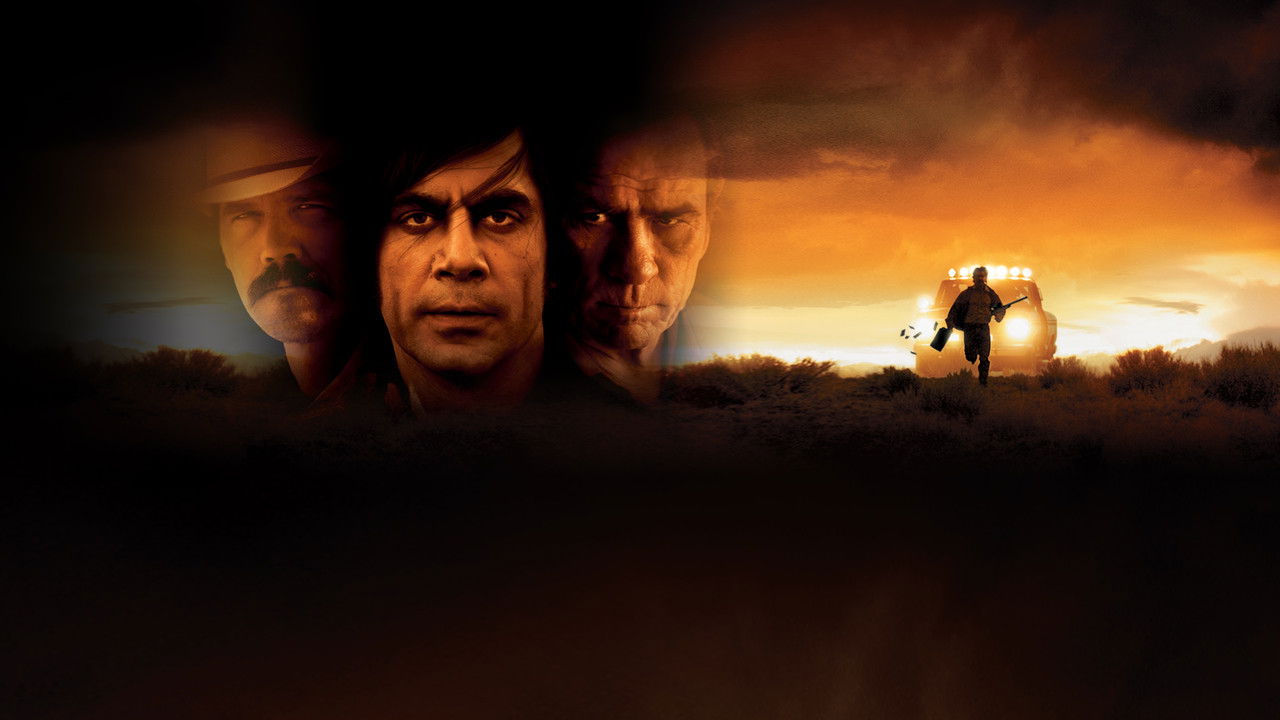
The Coen Brothers' adaptation of Cormac McCarthy's novel represents the filmmakers at their most disciplined and existential. Set against the sun-blasted borderlands of 1980 Texas, the film unfolds as a three-way pursuit between an ordinary welder who stumbles upon drug money (Josh Brolin), a philosophically inclined sheriff nearing retirement (Tommy Lee Jones), and one of cinema's most terrifying antagonists in Anton Chigurh (Javier Bardem). Roger Deakins' cinematography captures the harsh Southwestern landscape with documentary-like precision, creating a visual counterpoint to the film's meditation on chance, fate, and moral entropy. The Coens strip away their usual stylistic flourishes in favor of a lean, almost procedural approach that heightens the tension in each meticulously constructed sequence. What distinguishes this Best Picture winner from conventional crime thrillers is its willingness to subvert narrative expectations at every turn, most notably in its refusal to deliver conventional catharsis or resolution. Bardem's performance as Chigurh—with his peculiar haircut and pneumatic cattle gun—earned him a richly deserved Oscar, creating an antagonist who operates as both human killer and abstract principle of unstoppable violence. The film's pessimistic worldview, where good men confront evils they can neither comprehend nor defeat, resonates even more powerfully in our current era of moral uncertainty.
🎬 Did You Know? Javier Bardem's distinctive and unsettling haircut for his character Anton Chigurh was inspired by a 1979 photograph of a man in a brothel that the Coen brothers discovered while researching the film.
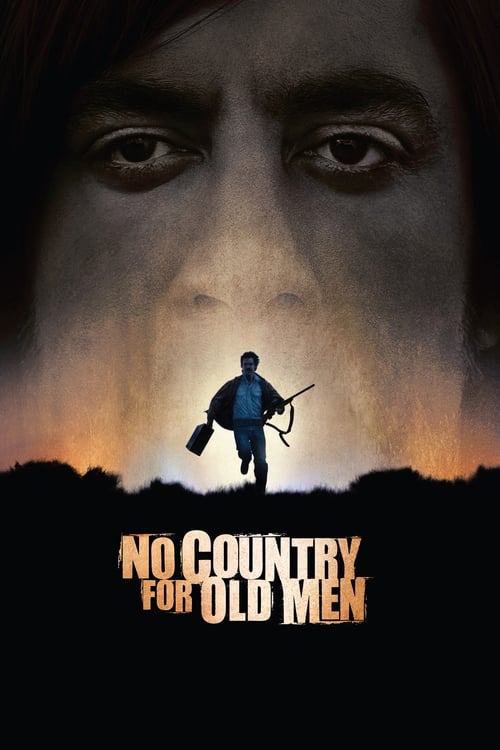
No Country for Old Men
Llewelyn Moss stumbles upon dead bodies, $2 million and a hoard of heroin in a Texas desert, but methodical killer Anton Chigurh comes looking for it, with local sheriff Ed Tom Bell hot on his trail. The roles of prey and predator blur as the violent pursuit of money and justice collide.
Django Unchained (2012)
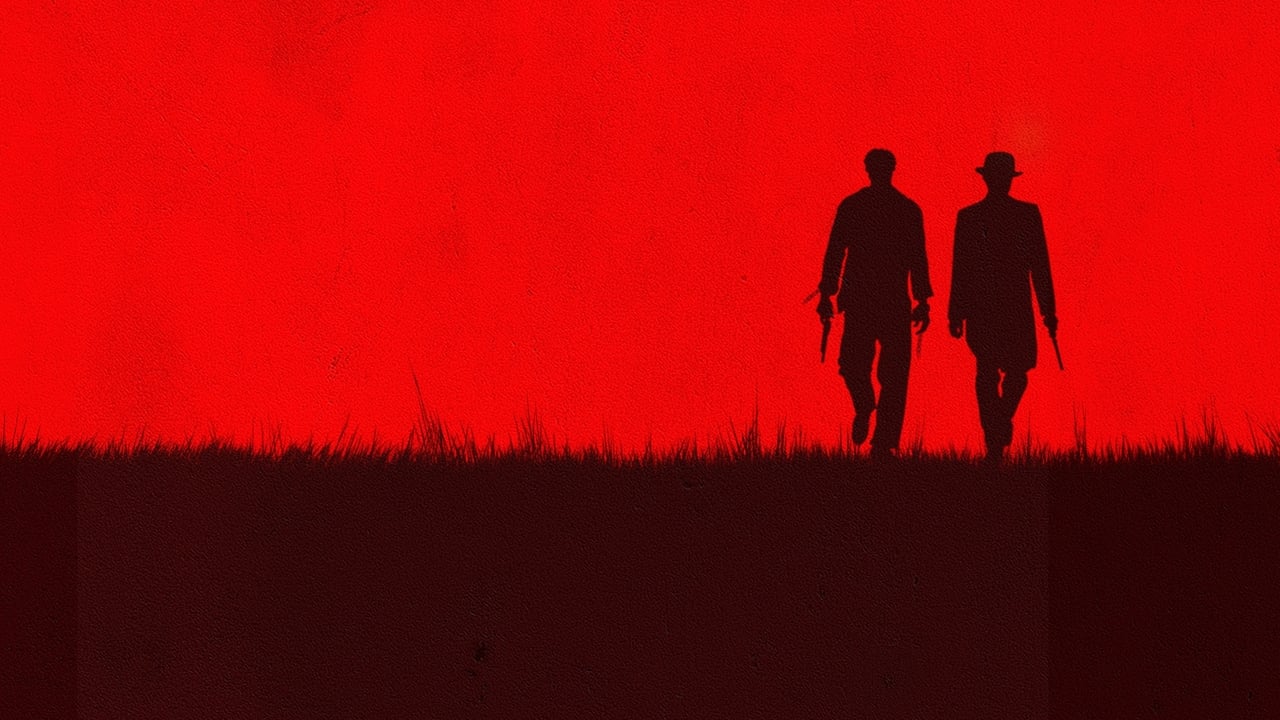
Quentin Tarantino's audacious revisionist Western earned him his second Academy Award for Original Screenplay, confirming his singular voice in American cinema. Set in the pre-Civil War South, the film follows the journey of freed slave Django (Jamie Foxx) and German bounty hunter Dr. King Schultz (Christoph Waltz in his second Oscar-winning performance) as they attempt to rescue Django's wife from sadistic plantation owner Calvin Candie (Leonardo DiCaprio). Tarantino's characteristic blend of extreme violence, unexpected humor, and encyclopedic film references creates a tonally complex experience that defies easy categorization. Robert Richardson's vivid cinematography alternates between sun-drenched Western vistas and the claustrophobic interiors of plantation mansions where unspeakable cruelties unfold. What makes "Django Unchained" particularly compelling is its willingness to confront America's racist history with both unflinching brutality and cathartic revenge fantasy elements. The film's adventure narrative provides a framework for examining the psychological scars of slavery while allowing for moments of triumphant agency for its Black protagonist. Tarantino's dialogue—always his strongest asset—creates extended sequences of verbal tension that often erupt into explosive violence. While controversial for its graphic depiction of plantation atrocities and liberal use of racial epithets, the film ultimately stands as a powerful indictment of America's original sin and the enduring legacy of white supremacy.
🎬 Did You Know? Leonardo DiCaprio accidentally cut his hand during the dinner table scene when he slammed his hand on the table and broke a glass, but he remained in character and continued the scene, with the real blood making it into the final film.
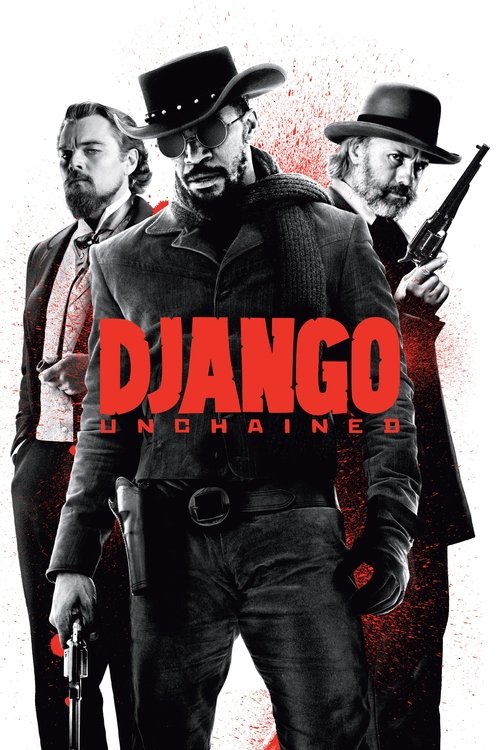
Django Unchained
With the help of a German bounty hunter, a freed slave sets out to rescue his wife from a brutal Mississippi plantation owner.
Whiplash (2014)
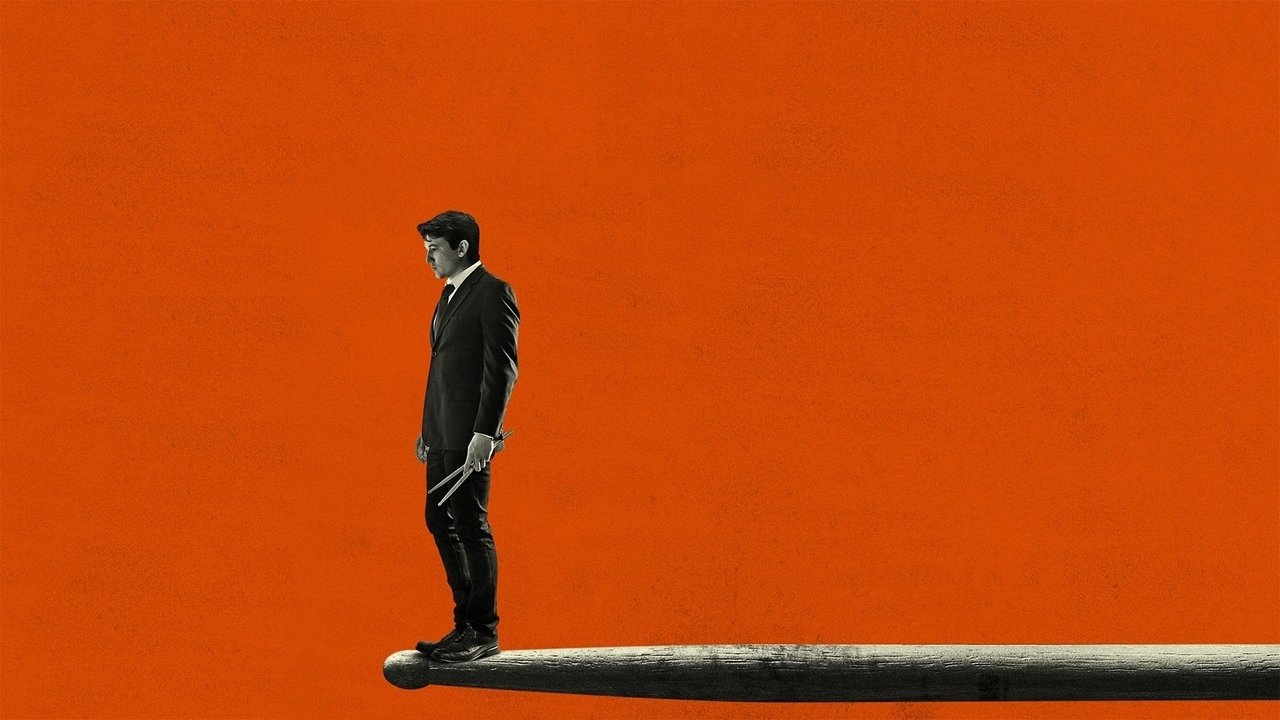
Damien Chazelle's electrifying sophomore feature defies conventional expectations about inspirational music stories, instead presenting a psychological duel between ambitious jazz drummer Andrew Neiman (Miles Teller) and tyrannical conductor Terence Fletcher (J.K. Simmons in his Oscar-winning performance). Shot in just 19 days on a modest budget, the film's technical virtuosity—particularly in its editing and sound design, both of which won Academy Awards—creates sequences of rehearsals and performances that feel as kinetic and visceral as any action film. Sharone Meir's cinematography uses warm amber tones and expressionistic lighting to transform mundane rehearsal spaces into battlegrounds where artistic identities are forged and destroyed. What elevates "Whiplash" beyond a simple tale of artistic obsession is its willingness to ask uncomfortable questions about the nature of greatness and the moral compromises required to achieve it. The film refuses easy answers about Fletcher's abusive methods, leaving viewers to wrestle with whether his cruelty ultimately destroys or catalyzes genuine talent. Simmons' performance balances terrifying intensity with rare moments of vulnerability, creating one of cinema's most complex mentors. The film's jazz setting provides both a specific cultural context and a metaphor for the improvised nature of the mentor-protégé relationship. The breathtaking final sequence—where psychological warfare gives way to pure musical communion—ranks among the most exhilarating climaxes in recent drama cinema.
🎬 Did You Know? Miles Teller, who had played drums since age 15, spent 4 hours a day practicing for 3 months before filming and played all the drum sequences himself, even bleeding from his hands during filming just like his character.
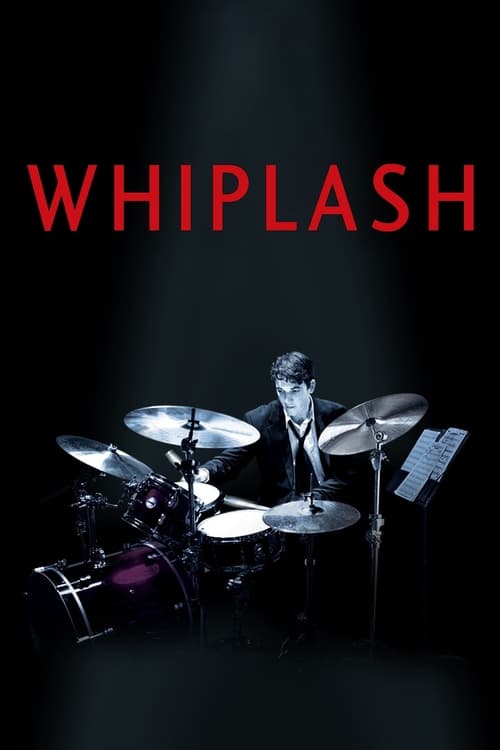
Whiplash
Under the direction of a ruthless instructor, a talented young drummer begins to pursue perfection at any cost, even his humanity.
La La Land (2016)
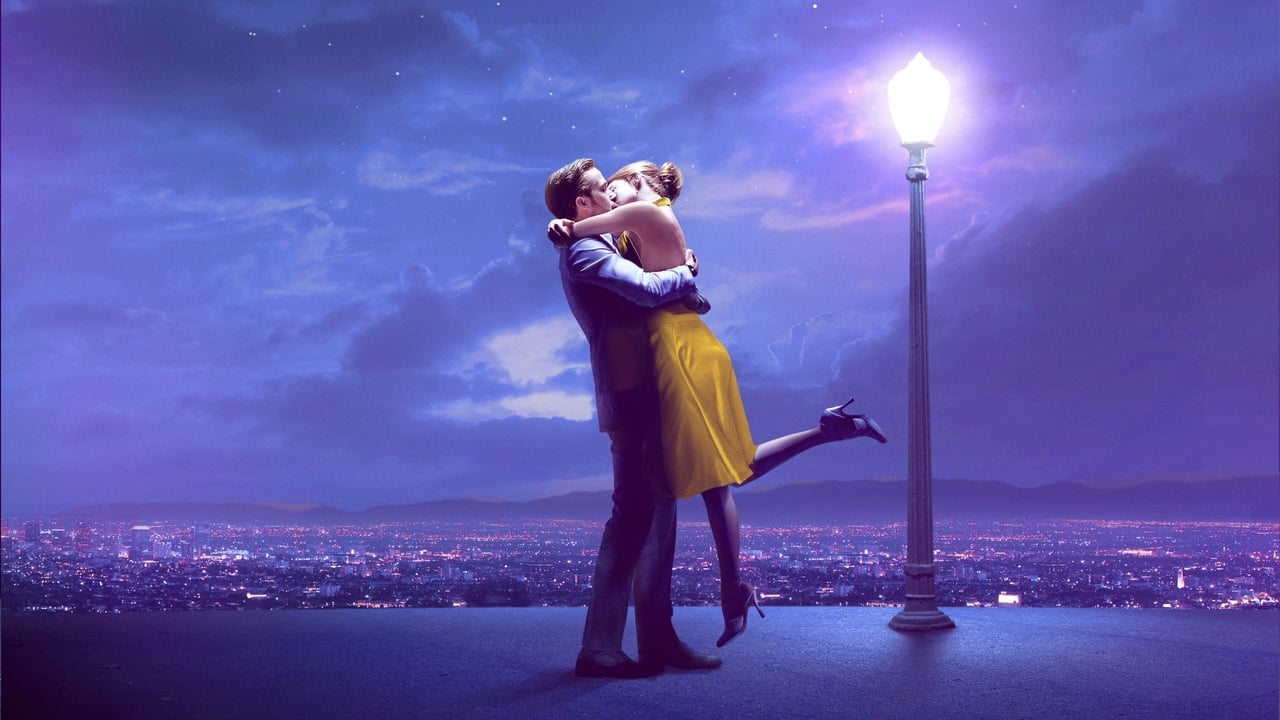
Damien Chazelle's modern musical earned a record-tying 14 Oscar nominations and won six, including Best Director and Best Actress for Emma Stone's luminous performance as aspiring actress Mia. Set against a stylized Los Angeles landscape, the film follows the romance between Mia and struggling jazz pianist Sebastian (Ryan Gosling) as they pursue their artistic dreams in a city equally capable of inspiring greatness and crushing ambition. Linus Sandgren's cinematography—which earned one of the film's Oscars—employs vibrant primary colors and virtuoso long takes that transform the city into an expressionistic playground where reality and fantasy intermingle. Justin Hurwitz's Academy Award-winning score seamlessly blends classical Hollywood musical traditions with contemporary jazz influences, creating numbers that feel both nostalgic and fresh. What distinguishes "La La Land" from mere nostalgic pastiche is its bittersweet engagement with the costs of artistic pursuit and the compromises required by both relationships and creative ambitions. The film's most discussed element—its epilogue sequence imagining an alternate life path for its protagonists—represents one of contemporary cinema's most poignant meditations on choice, chance, and paths not taken. While some critics dismissed the film as mere escapism, its emotional core reveals profound truths about the intersection of personal and professional desires in a culture that often forces impossible choices between them.
🎬 Did You Know? During the famous Griffith Observatory dance sequence, Ryan Gosling and Emma Stone performed the entire six-minute waltz in one unbroken take after spending nearly three months rehearsing the scene.
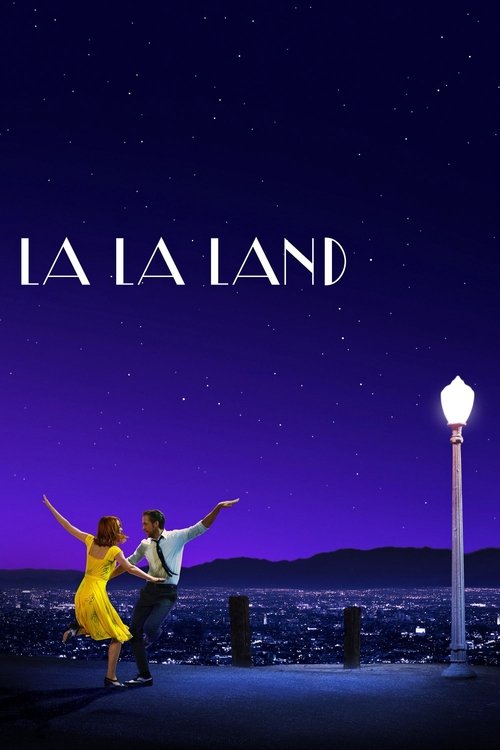
La La Land
Mia, an aspiring actress, serves lattes to movie stars in between auditions and Sebastian, a jazz musician, scrapes by playing cocktail party gigs in dingy bars, but as success mounts they are faced with decisions that begin to fray the fragile fabric of their love affair, and the dreams they worked so hard to maintain in each other threaten to rip them apart.
Dune (2021)

Denis Villeneuve's ambitious adaptation of Frank Herbert's supposedly "unfilmable" science fiction epic earned six Academy Awards, primarily for its remarkable technical achievements in cinematography, visual effects, sound, and production design. Set in a far-future interstellar society, the film follows Paul Atreides (Timothée Chalamet) as his noble family takes stewardship of the desert planet Arrakis, home to the universe's most valuable resource. Greig Fraser's Oscar-winning cinematography captures both intimate character moments and vast alien landscapes with equal precision, creating a visual language that feels both ancient and futuristic. The film's sound design—which also earned Academy recognition—creates an immersive audio experience where whispered conversations carry as much weight as thundering sandworms. What distinguishes Villeneuve's approach to this material is his commitment to grounding the fantastical elements in tangible reality, whether through Hans Zimmer's primal score or Patrice Vermette's monumental production design. The film's patient pacing and mystical undertones represent a remarkable achievement in contemporary blockbuster filmmaking, proving that science-fiction can be both intellectually rigorous and visually spectacular. While only adapting the first half of Herbert's novel, "Dune" succeeds as a complete cinematic experience that explores themes of colonialism, religious prophecy, environmental stewardship, and the dangerous intersection of politics and religion—themes that feel increasingly relevant to our own fractured era.
🎬 Did You Know? The film's ornithopters (flying vehicles resembling dragonflies) were designed with input from actual aerospace engineers to ensure the physics of their movement would be plausible in real-world conditions.

Dune
Paul Atreides, a brilliant and gifted young man born into a great destiny beyond his understanding, must travel to the most dangerous planet in the universe to ensure the future of his family and his people. As malevolent forces explode into conflict over the planet's exclusive supply of the most precious resource in existence-a commodity capable of unlocking humanity's greatest potential-only those who can conquer their fear will survive.
Joker (2019)
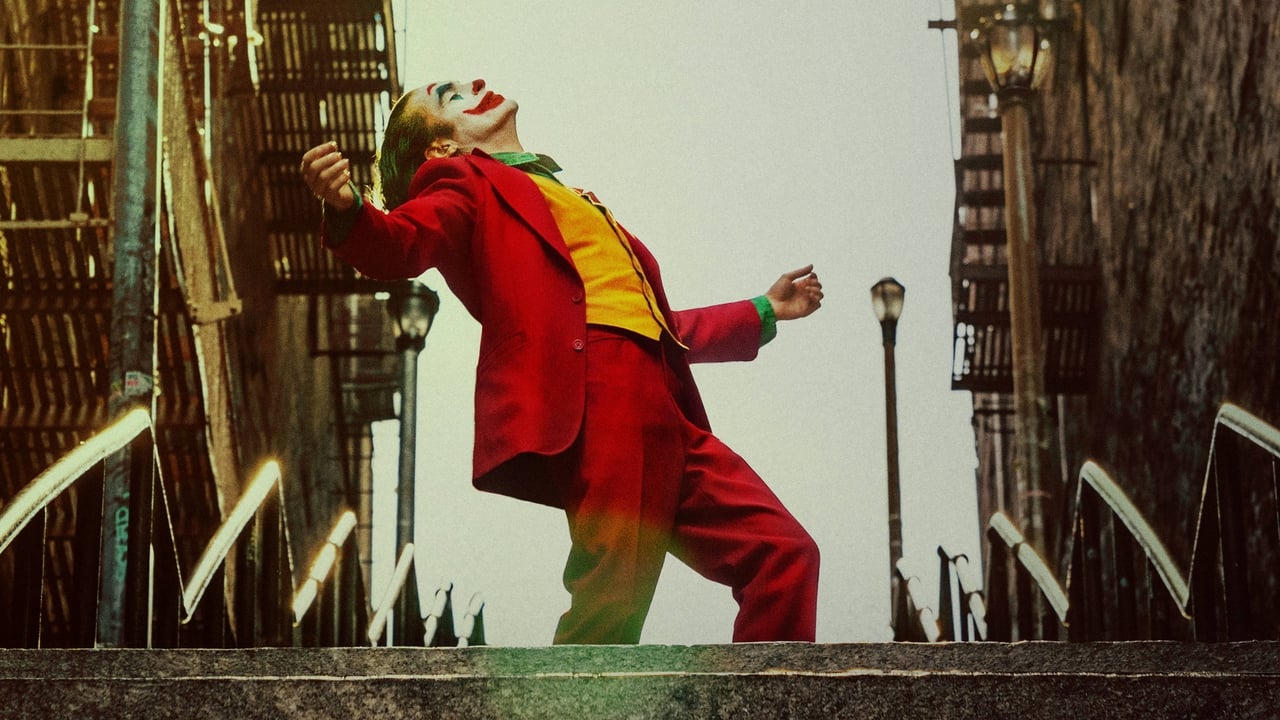
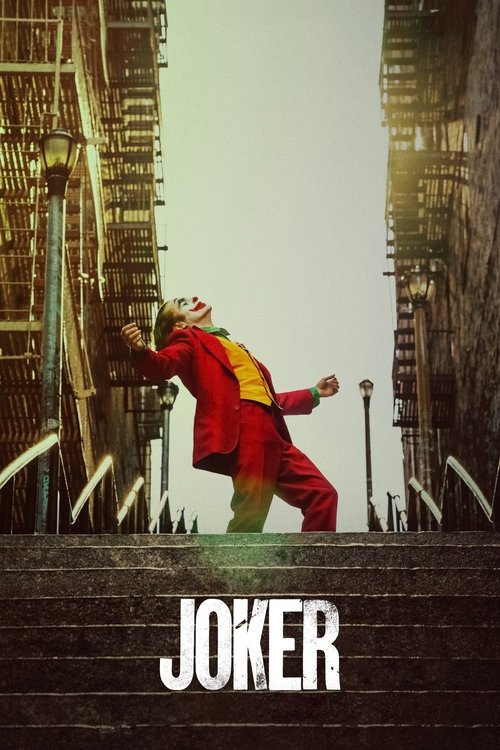
Todd Phillips' psychological character study disguised as a comic book origin story earned Joaquin Phoenix his first Oscar after multiple nominations. Set in a grimy, economically devastated Gotham City clearly modeled after early 1980s New York, the film charts the psychological disintegration of Arthur Fleck—a mentally ill party clown whose failed attempts at human connection spiral into increasingly violent expressions. Lawrence Sher's cinematography employs a desaturated palette that emphasizes urban decay and emotional isolation, creating visual links to the gritty American cinema of the 1970s. Hildur Guðnadóttir's haunting, Oscar-winning score uses cello as its primary instrument, creating a soundscape that mirrors Arthur's internal torment. What makes "Joker" particularly distinctive among Oscar-winning films is its willingness to embrace ambiguity about its protagonist—presenting Arthur as simultaneously sympathetic victim and disturbing perpetrator. The film's controversial reception, with some critics hailing it as a masterpiece while others condemned it as irresponsible, reflects its power to provoke intense reactions and discussions about the depiction of mental illness, social inequality, and violence. Phoenix's physical transformation for the role—losing 52 pounds and developing a distinctive laugh and movement vocabulary—represents one of cinema's most committed character embodiments. While ostensibly set in the Batman universe, "Joker" functions primarily as a crime film and character study that examines how societal neglect and individual trauma can create monsters from the most vulnerable among us.
🎬 Did You Know? Joaquin Phoenix's distinctive Joker laugh was developed after studying videos of people suffering from pathological laughter, a real neurological condition that causes involuntary laughter unrelated to humor.
Joker
During the 1980s, a failed stand-up comedian is driven insane and turns to a life of crime and chaos in Gotham City while becoming an infamous psychopathic crime figure.
The Holdovers (2023)
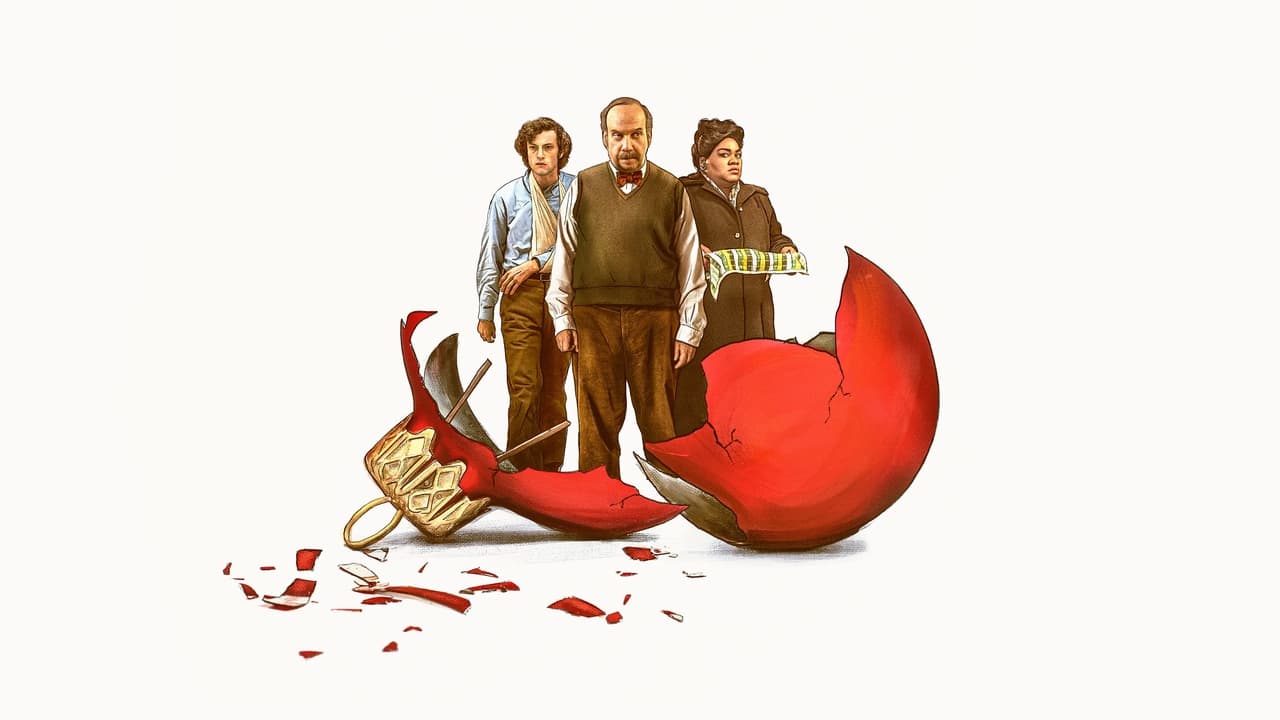
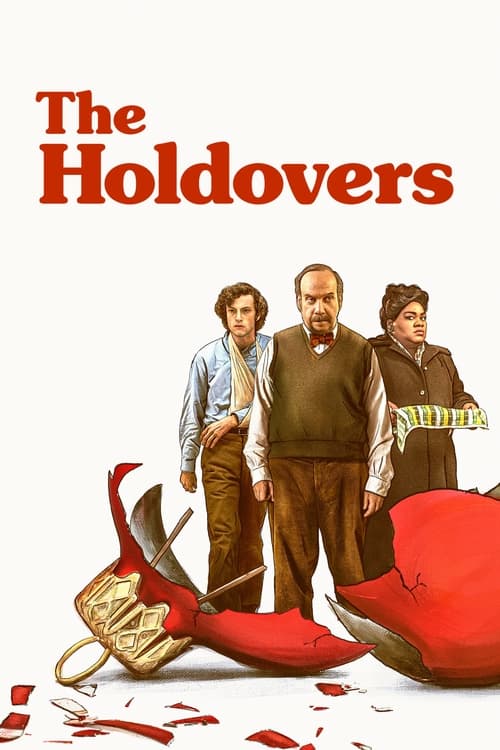
Alexander Payne's bittersweet character study earned Da'Vine Joy Randolph a richly deserved Oscar for her supporting performance as a grieving cafeteria manager in a New England boarding school. Set during Christmas break in 1970, the film centers on the reluctant community formed between a curmudgeonly classics professor (Paul Giamatti), a troubled student (Dominic Sessa), and Randolph's Mary, each processing different forms of loss and disappointment. Cinematographer Eigil Bryld deliberately employs visual techniques authentic to 1970s filmmaking—including period-appropriate lenses and film stock emulation—creating a visual texture that feels genuinely of its era rather than merely nostalgic for it. What distinguishes "The Holdovers" is its remarkable patience in developing character relationships that evolve naturally rather than following predictable narrative arcs. The film trusts its audience to appreciate small moments of connection and subtle emotional shifts without resorting to dramatic confrontations or artificial epiphanies. David Hemingson's screenplay creates dialogue that reveals character through both what is said and what remains unspoken, with each character guarding emotional wounds while gradually lowering their defenses. While the film's setting could easily have become a vehicle for cheap nostalgia, Payne instead uses the period details to explore timeless themes of grief, class disparity, institutional failure, and unexpected human connection. In an era of increasingly formula-driven cinema, "The Holdovers" represents a return to the character-driven drama that once defined American independent filmmaking at its finest.
🎬 Did You Know? To create authentic period details, director Alexander Payne insisted on using only songs and Christmas music that would have actually been played in 1970, rejecting any music released even months after the film's December setting.
The Holdovers
A curmudgeonly instructor at a New England prep school is forced to remain on campus during Christmas break to babysit the handful of students with nowhere to go. Eventually, he forms an unlikely bond with one of them — a damaged, brainy troublemaker — and with the school’s head cook, who has just lost a son in Vietnam.
Browse our full movie collection →