The Ultimate Crime Cinema Collection: 9 Masterpieces You Must Stream in 2026
The crime genre has given us some of cinema's most unforgettable moments. From pulse-pounding heists to psychological cat-and-mouse games, these films explore the darkest corners of human nature while keeping us on the edge of our seats. Whether it's the methodical planning of a criminal mastermind or the dogged determination of those pursuing justice, crime cinema captures the tension, moral ambiguity, and consequences of crossing societal boundaries.
The best crime films aren't just about the crimes themselves—they're character studies, explorations of morality, and often scathing commentaries on society. They show us both the allure and the cost of criminality, frequently blurring the line between hero and villain. At StreamLume, we've curated our collection to bring you the most compelling crime stories ever committed to film. Here are nine essential crime masterpieces that showcase the genre at its most captivating.
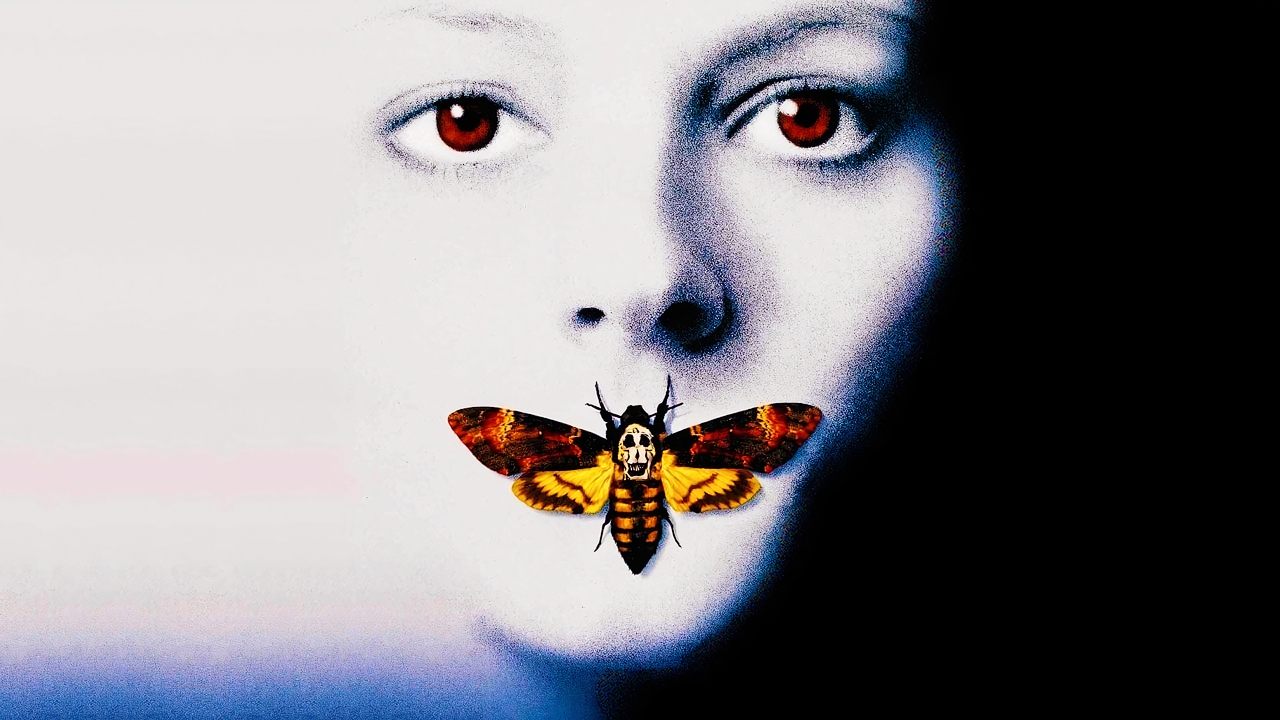
The Silence of the Lambs (1991)
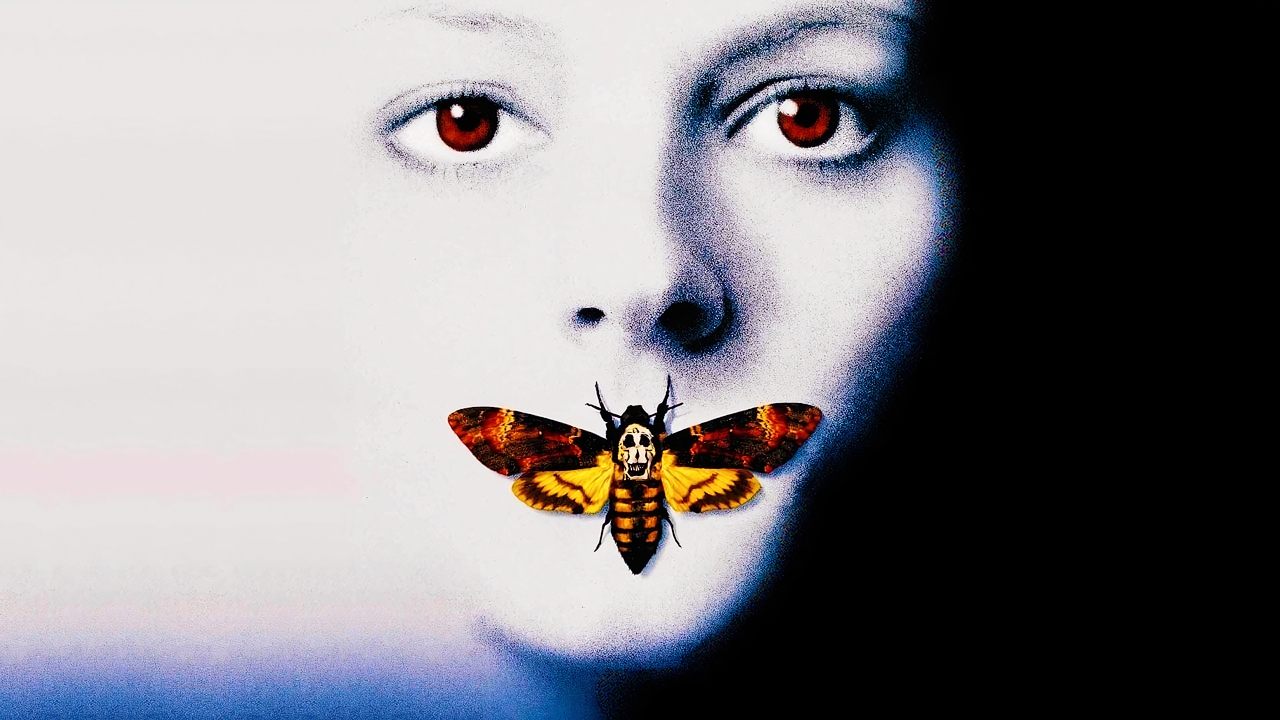
Jonathan Demme's psychological thriller remains the gold standard for crime cinema, deftly blending elements of horror with procedural brilliance. Jodie Foster's Clarice Starling—vulnerable yet resolute—creates the perfect foil for Anthony Hopkins' mesmerizing portrayal of Dr. Hannibal Lecter, a performance so iconic it has permeated popular culture despite the character appearing on screen for less than 25 minutes. Their psychological dance is the beating heart of this film, creating tension not through graphic violence (though it certainly has its moments) but through conversation and intellectual gamesmanship.
What elevates "The Silence of the Lambs" above standard serial killer fare is its perfect synthesis of elements: the script's precision, the clinical yet atmospheric cinematography, and Howard Shore's unsettling score all work in harmony. The film's unforgettable finale, where night vision creates a primal fear of the unseen predator, represents horror-infused crime cinema at its most effective. Beyond its thrills, the film offers a nuanced examination of gender politics in law enforcement and the complex psychology that drives both criminal and investigator. Few films have managed to be simultaneously cerebral and visceral, earning every bit of its sweep of the major Academy Awards.
🎬 Did You Know? Anthony Hopkins won his Oscar for Best Actor despite appearing on screen for only 16 minutes, one of the shortest performances ever to win in that category.
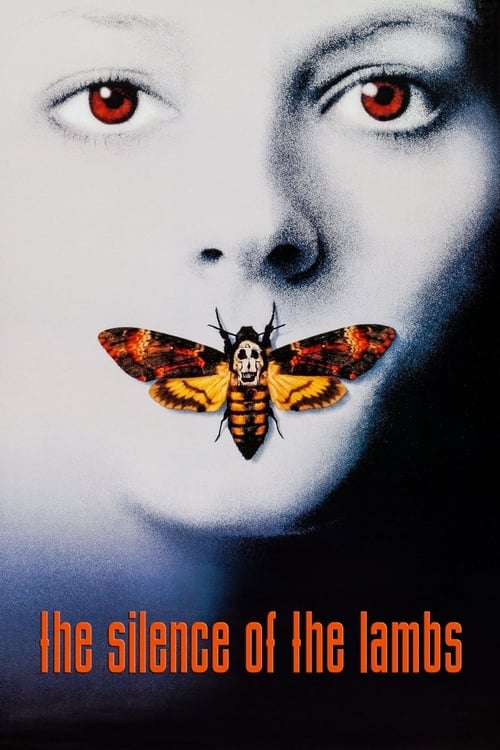
The Silence of the Lambs
Clarice Starling is a top student at the FBI's training academy. Jack Crawford wants Clarice to interview Dr. Hannibal Lecter, a brilliant psychiatrist who is also a violent psychopath, serving life behind bars for various acts of murder and cannibalism. Crawford believes that Lecter may have insight into a case and that Starling, as an attractive young woman, may be just the bait to draw him out.
Reservoir Dogs (1992)
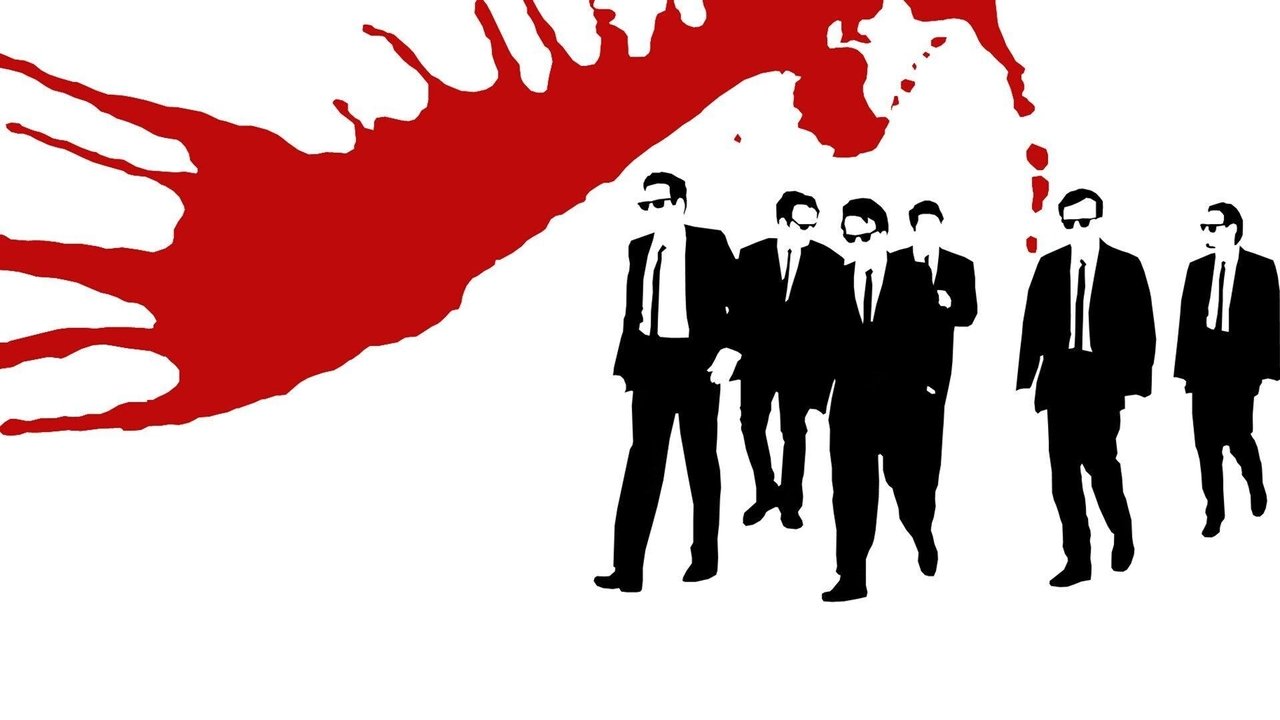
Before "Pulp Fiction" made him a household name, Quentin Tarantino burst onto the scene with this tight, explosive heist film that paradoxically shows almost nothing of the heist itself. "Reservoir Dogs" reinvented independent cinema with its non-linear storytelling, razor-sharp dialogue, and unflinching violence. The film strips away the glamour of the criminal lifestyle, instead trapping its characters in a pressure cooker of paranoia and pain as they try to determine who betrayed them.
The warehouse setting becomes a theater stage where masculinity, loyalty, and professionalism are tested to breaking points. Each character—identified by color-coded names that have since become iconic—brings a different energy to this volatile mix. Michael Madsen's sadistic Mr. Blonde dancing to "Stuck in the Middle with You" during the film's most notorious scene remains one of cinema's most disturbing juxtapositions of the banal and the brutal. Tarantino's genius lies in making us care about these criminals while never shying away from the consequences of their choices. The film's claustrophobic intensity and moral ambiguity established a new template for crime storytelling that countless filmmakers have emulated but few have matched.
🎬 Did You Know? Quentin Tarantino originally planned to shoot "Reservoir Dogs" in black and white with his friends on a $30,000 budget before producer Lawrence Bender got the script to Harvey Keitel, who became the film's co-producer and first attached star.
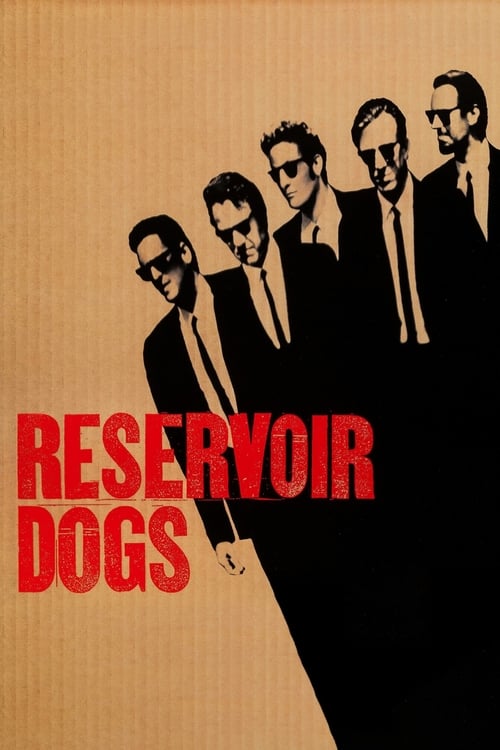
Reservoir Dogs
A botched robbery indicates a police informant, and the pressure mounts in the aftermath at a warehouse. Crime begets violence as the survivors -- veteran Mr. White, newcomer Mr. Orange, psychopathic parolee Mr. Blonde, bickering weasel Mr. Pink and Nice Guy Eddie -- unravel.
Heat (1995)
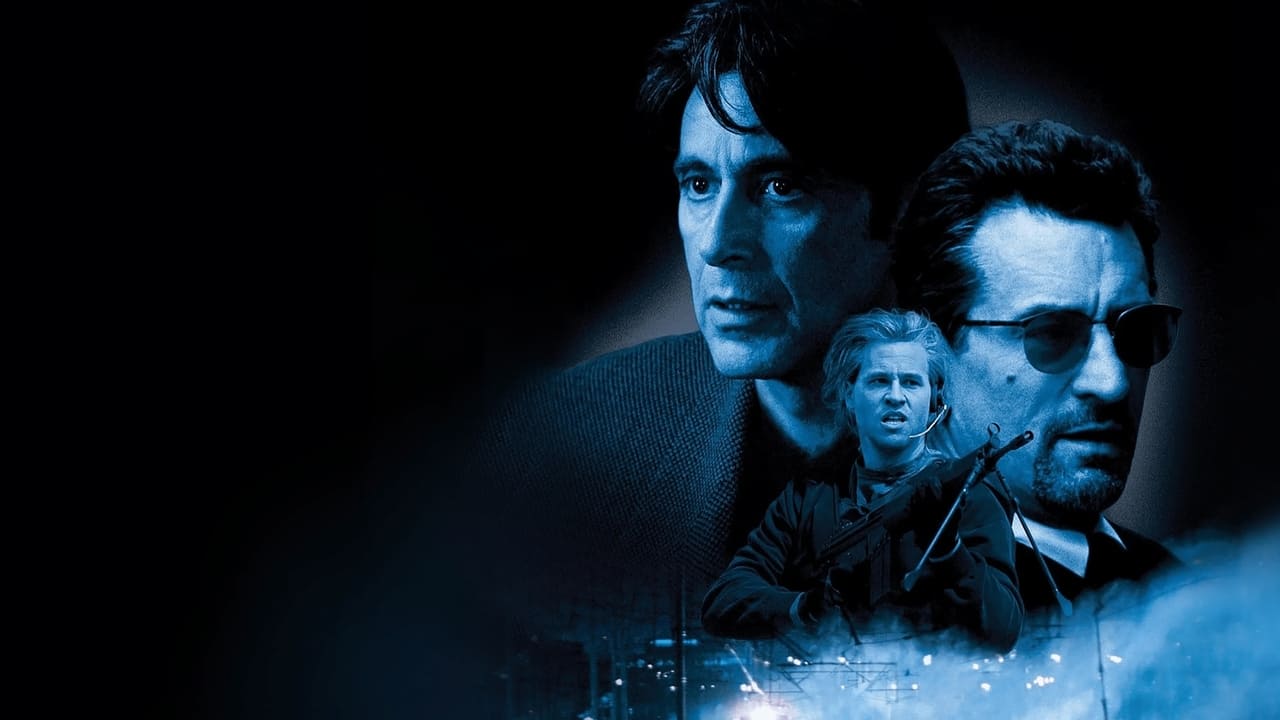
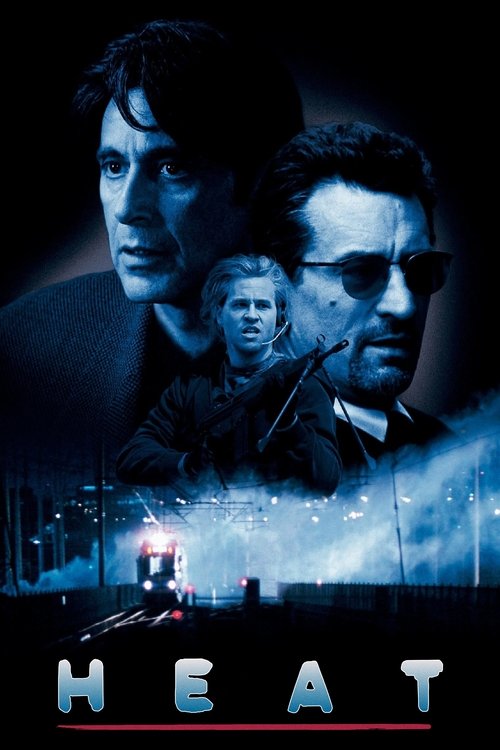
Michael Mann's crime epic represents the pinnacle of the cat-and-mouse thriller, bringing together Al Pacino and Robert De Niro—two titans of crime cinema—for a legendary face-off. What sets "Heat" apart is its remarkable balance: it's simultaneously a meticulous heist film, a character-driven drama, and an urban action spectacular. Mann films Los Angeles as both a sprawling concrete jungle and an intimate space where criminal and cop mirror each other across the thin blue line.
The film's bank robbery sequence and subsequent downtown shootout remain masterclasses in action choreography and sound design, with each gunshot cracking with authentic, unsettling power. But "Heat" is equally compelling in its quieter moments—particularly the coffee shop conversation between Pacino's Vincent Hanna and De Niro's Neil McCauley, a scene of understated tension where two masters of their craft find mutual respect across an unbridgeable moral divide. Mann's exploration of professional obsession—how it drives both men but destroys their personal lives—elevates "Heat" beyond genre conventions. The film's visual grammar, with its steel blues and industrial landscapes, has influenced countless films and even video games, cementing its place as the definitive contemporary crime saga.
🎬 Did You Know? The famous coffee shop scene between Al Pacino and Robert De Niro was the first time these legendary actors ever shared the screen together, despite both appearing (but never in the same scenes) in "The Godfather Part II."
Heat
Obsessive master thief Neil McCauley leads a top-notch crew on various daring heists throughout Los Angeles while determined detective Vincent Hanna pursues him without rest. Each man recognizes and respects the ability and the dedication of the other even though they are aware their cat-and-mouse game may end in violence.
The Usual Suspects (1995)
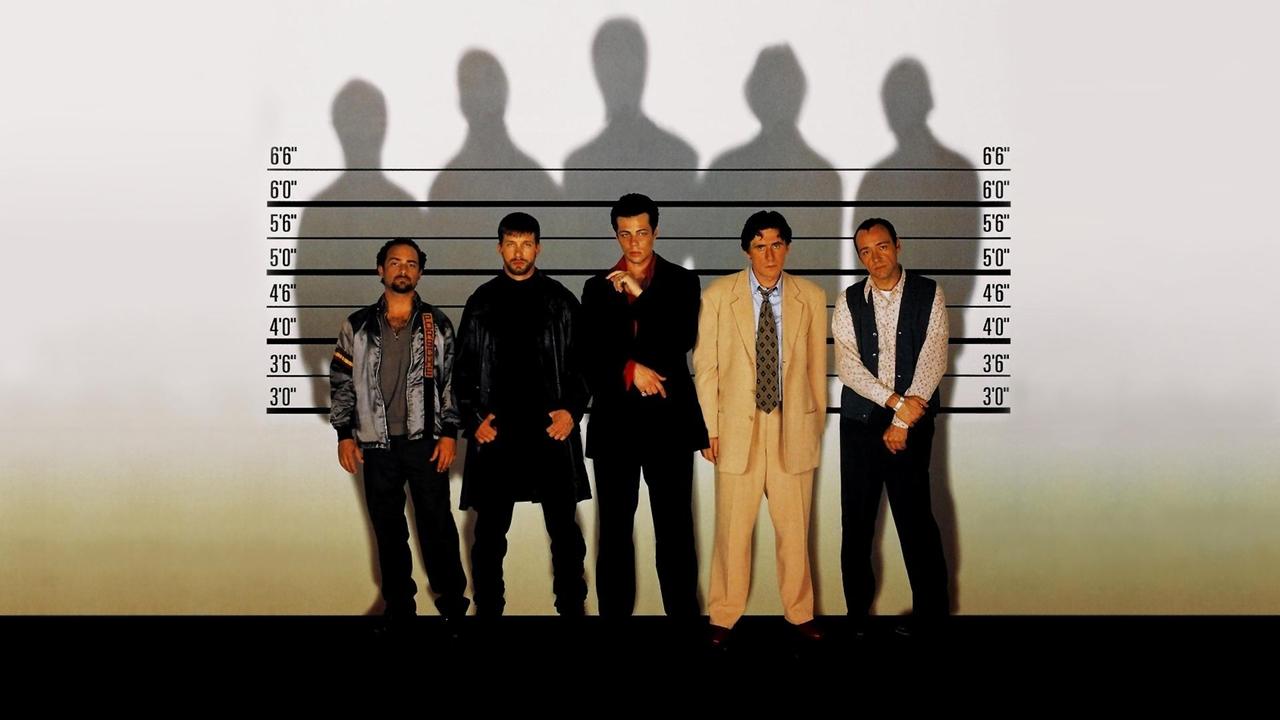
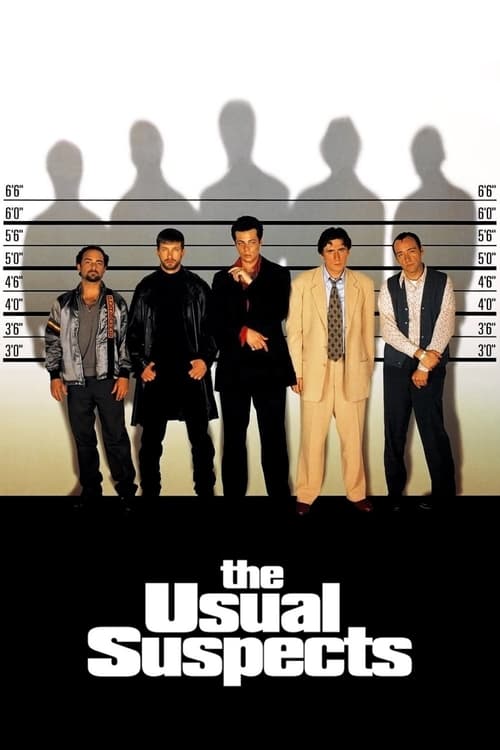
Few films have managed to capture the art of the con quite like Bryan Singer's labyrinthine neo-noir. "The Usual Suspects" revolutionized the crime genre with its unreliable narrator and narrative sleight-of-hand that rewards multiple viewings. Kevin Spacey's Oscar-winning performance as Verbal Kint anchors this ensemble piece, spinning a yarn that keeps both the interrogating detective and the audience constantly reassessing what they believe to be true.
The film's genius lies in how it plays with perspective and storytelling itself—it's a mystery about the power of mythology in the criminal underworld. The legendary Keyser Söze becomes a bogeyman whose reputation alone inspires terror, raising questions about how criminals become legends and how those legends shape reality. Cinematographer Newton Thomas Sigel creates a visual language of shadows and uncertainty that perfectly complements the narrative's misdirection. Despite knowing the film's famous twist, viewers return to "The Usual Suspects" time and again to admire its intricate construction and to search for clues they missed on previous viewings. It remains the standard by which twist-driven crime films are measured, proving that the most effective criminal may be the storyteller who controls the narrative.
🎬 Did You Know? The iconic police lineup scene that brought the five main characters together was originally written as a serious scene, but the actors couldn't stop laughing during filming, so director Bryan Singer kept the more humorous takes instead.
The Usual Suspects
Held in an L.A. interrogation room, Verbal Kint attempts to convince the feds that a mythic crime lord, Keyser Soze, not only exists, but was also responsible for drawing him and his four partners into a multi-million dollar heist that ended with an explosion in San Pedro harbor – leaving few survivors. Verbal lures his interrogators with an incredible story of the crime lord's almost supernatural prowess.
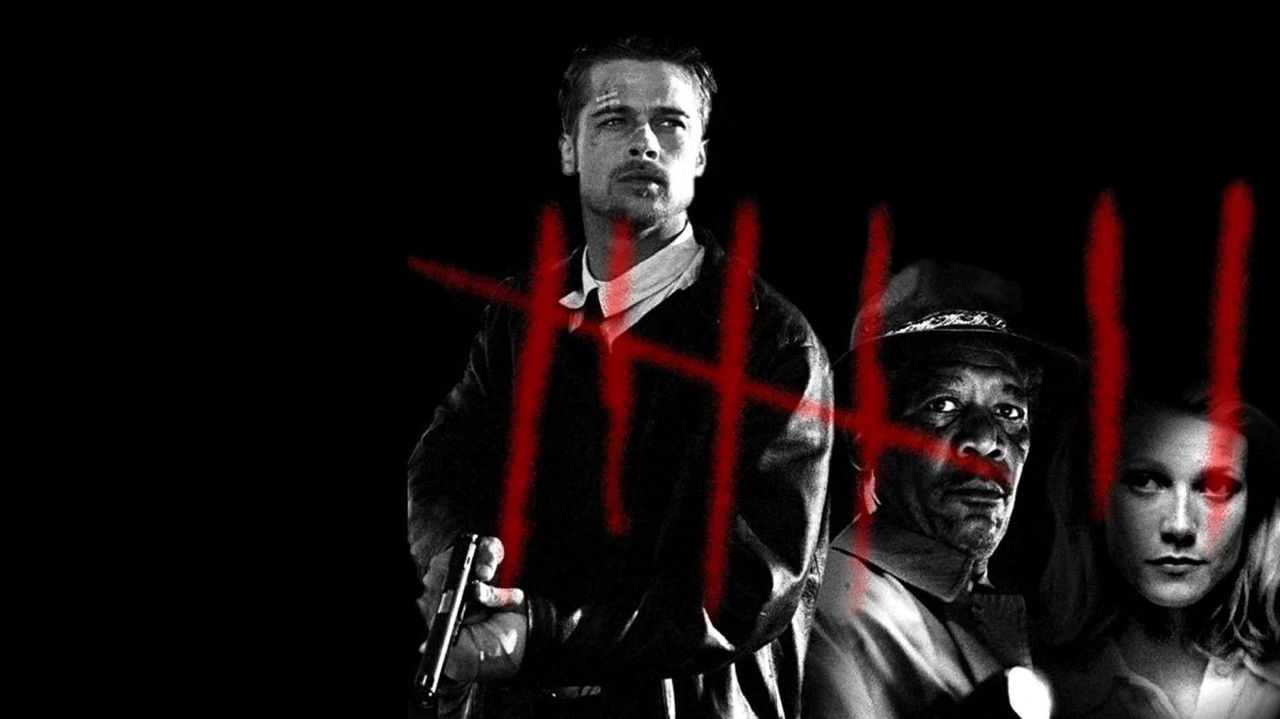
Se7en (1995)
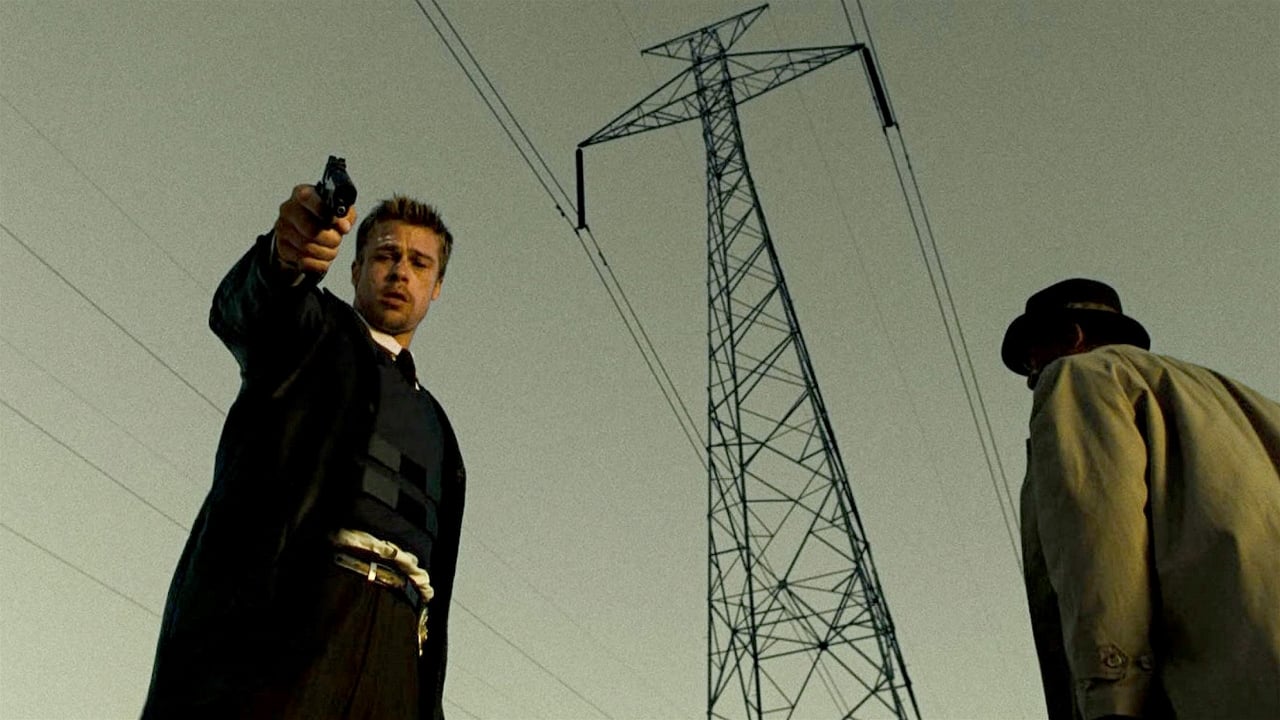
David Fincher's rain-soaked nightmare stands as one of the most influential crime films ever made, establishing a visual and thematic template that crime thriller television series have been following ever since. "Se7en" transformed the serial killer subgenre by focusing not on graphic violence but on the psychological toll that witnessing such depravity takes on those who hunt monsters. The film's genius lies in showing almost none of the actual killings, instead forcing viewers to construct the horrors in their minds as detectives Somerset (Morgan Freeman) and Mills (Brad Pitt) discover each meticulously staged crime scene.
Fincher creates a nameless city drowning in perpetual rain and moral decay—a character unto itself that reflects the film's bleak worldview. The contrasting temperaments of the detectives—Somerset's world-weary resignation against Mills' righteous anger—provide the emotional core as they pursue John Doe, a killer using the seven deadly sins as his blueprint. Kevin Spacey's controlled performance as the murderer adds another layer of unsettling calm to the proceedings. The film builds to one of cinema's most devastating finales—a conclusion so perfectly constructed and executed that it has become shorthand for nihilistic storytelling. With "Se7en," Fincher didn't just make a crime thriller; he created an existential meditation on evil that continues to disturb and provoke decades later.
🎬 Did You Know? Brad Pitt actually broke his arm during filming when he slipped while chasing John Doe in the rain, and rather than delay production, the injury was written into the script as part of Detective Mills' character.
Se7en
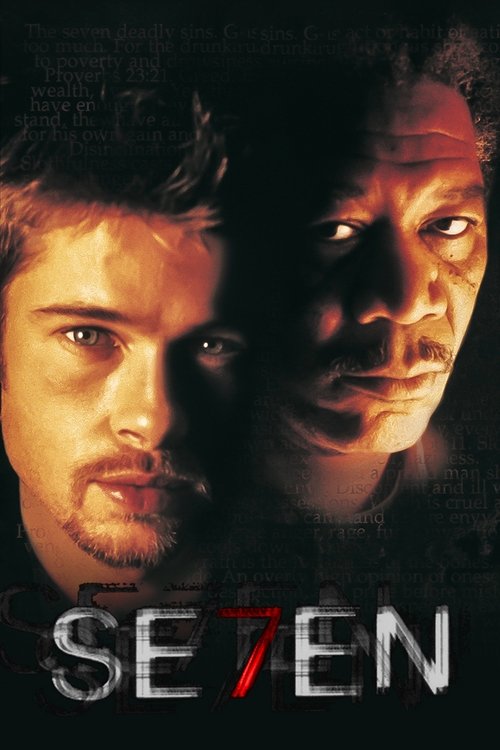
Two homicide detectives are on a desperate hunt for a serial killer whose crimes are based on the "seven deadly sins" in this dark and haunting film that takes viewers from the tortured remains of one victim to the next. The seasoned Det. Somerset researches each sin in an effort to get inside the killer's mind, while his novice partner, Mills, scoffs at his efforts to unravel the case.
No Country for Old Men (2007)
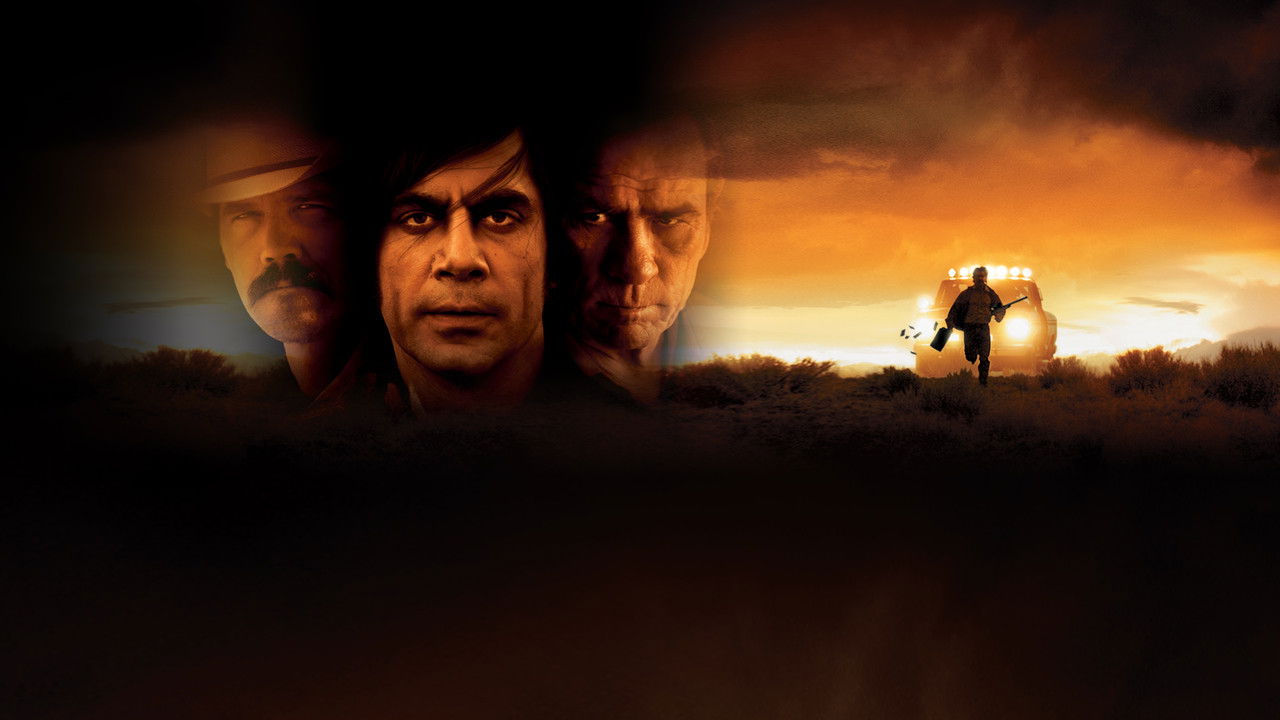
The Coen Brothers' adaptation of Cormac McCarthy's novel represents crime cinema at its most philosophically rich and visually assured. Set against the sun-bleached landscapes of the Texas-Mexico border, the film follows a chain of consequences unleashed when Llewelyn Moss (Josh Brolin) stumbles upon a drug deal gone wrong and takes a suitcase of cash. What follows is a relentless pursuit by Anton Chigurh (Javier Bardem), one of cinema's most chilling antagonists—a killer who operates with the implacable force of fate itself.
"No Country for Old Men" strips away conventional crime film trappings: there's minimal music, sparse dialogue, and violence that arrives suddenly without dramatic buildup. The Coens create unbearable tension through negative space and restraint. Sheriff Ed Tom Bell (Tommy Lee Jones) provides the moral center as he witnesses a changing world where violence seems increasingly random and meaningless. The film's refusal to provide traditional narrative closure frustrated some viewers but perfectly serves its thematic exploration of a moral universe where old codes no longer apply. Roger Deakins' cinematography captures both the vastness of the landscape and the claustrophobic inevitability of Chigurh's pursuit. This is crime cinema as existential horror—a film that uses genre conventions to explore deeper questions about choice, chance, and whether we can ever truly escape the consequences of our actions.
🎬 Did You Know? Javier Bardem's distinctive haircut for Anton Chigurh was inspired by a 1979 photo the Coen brothers found of a man in a brothel, and Bardem later said the haircut made him look so strange that he questioned whether he'd ever work again.
No Country for Old Men
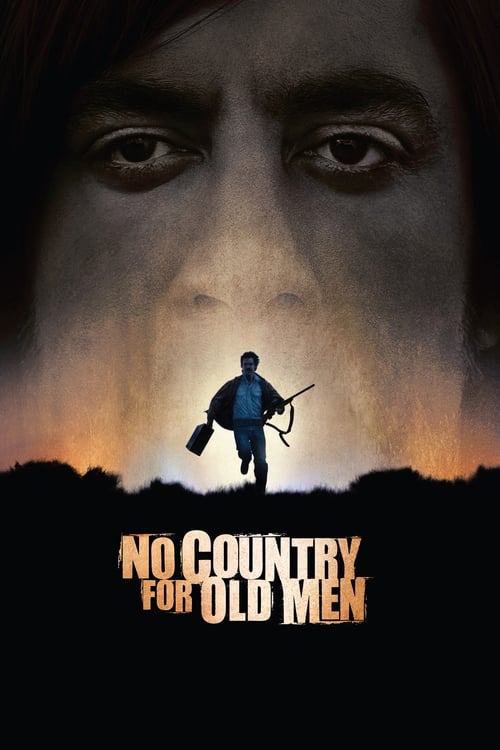
Llewelyn Moss stumbles upon dead bodies, $2 million and a hoard of heroin in a Texas desert, but methodical killer Anton Chigurh comes looking for it, with local sheriff Ed Tom Bell hot on his trail. The roles of prey and predator blur as the violent pursuit of money and justice collide.
Prisoners (2013)
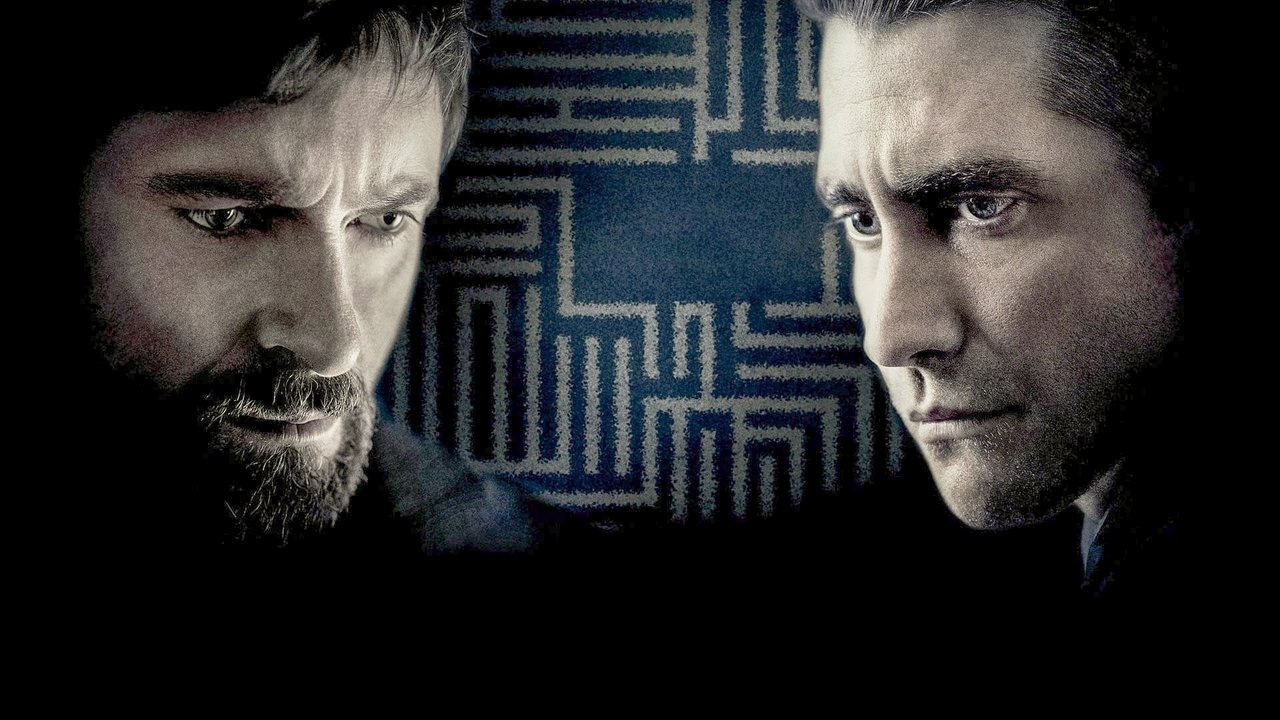
Denis Villeneuve's gut-wrenching exploration of vigilante justice proves that the crime thriller remains capable of profound moral complexity in the 21st century. When two young girls go missing in a Pennsylvania suburb, Detective Loki (Jake Gyllenhaal) pursues the case through official channels while one father, Keller Dover (Hugh Jackman), takes matters into his own hands with devastating consequences. The film asks uncomfortable questions about how far we might go when systems fail us and what price we pay for crossing moral lines.
Villeneuve and cinematographer Roger Deakins create a visual language of encroaching darkness—literal and figurative—as rain, snow, and night envelop the characters in their descent. The performances are universally excellent, with Jackman conveying raw, desperate fury and Gyllenhaal embodying controlled tension through subtle physical tics. "Prisoners" stands apart from conventional crime films in its refusal to provide easy answers or clear heroes. Every character makes compromised choices in pursuit of justice or survival. The film's labyrinthine mystery unfolds with methodical precision, building to a final shot that perfectly encapsulates the thematic heart of the story: sometimes survival depends on hearing signals others miss. Villeneuve's crime masterpiece reminds us that the most haunting stories are those that force us to question what we might become when pushed to our limits.
🎬 Did You Know? The maze necklace symbol that appears throughout the film was designed by Aaron Guzikowski, the film's screenwriter, who included detailed sketches of the maze in his original script.
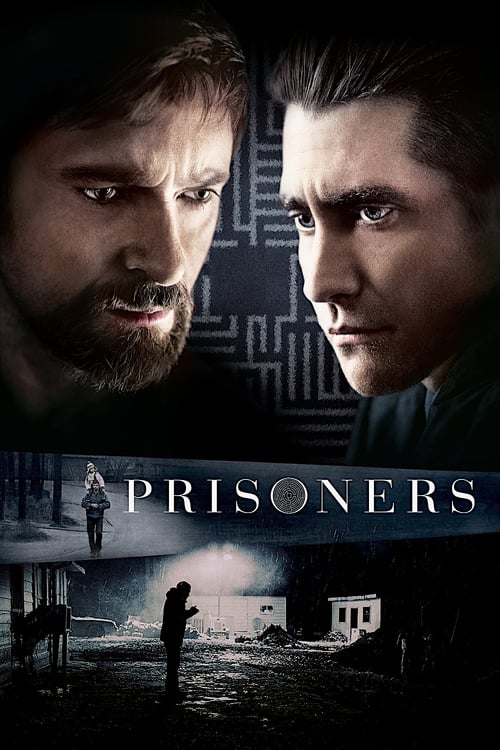
Prisoners
Keller Dover is facing every parent’s worst nightmare. His six-year-old daughter, Anna, is missing, together with her young friend, Joy, and as minutes turn to hours, panic sets in. The only lead is a dilapidated RV that had earlier been parked on their street.
Joker (2019)
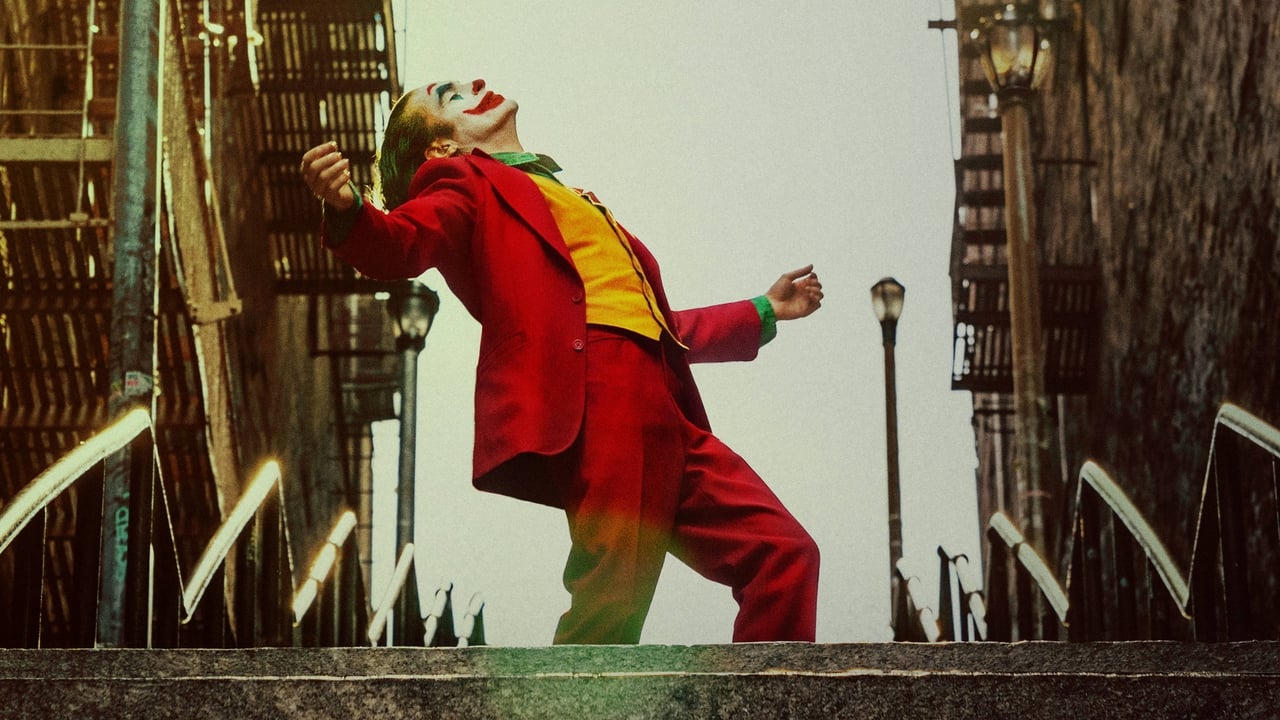
Todd Phillips' controversial character study redefines what a crime film can be by merging the genre with psychological drama and comic book mythology. "Joker" eschews typical superhero movie conventions to create a disturbing portrait of mental illness and societal breakdown in a Gotham City that feels uncomfortably similar to our world. Joaquin Phoenix's transformative performance as Arthur Fleck—a failed comedian whose descent into violence makes him an unlikely folk hero—earned him an Oscar and secured the film's place as one of the most discussed crime stories of recent years.
What makes "Joker" significant within the crime genre is how it examines the social conditions that create criminality rather than simply depicting criminal acts. Hildur Guðnadóttir's mournful score and Lawrence Sher's grimy cinematography create an atmosphere of beautiful desolation that mirrors Arthur's psychological state. The film's most controversial achievement is how it builds empathy for its protagonist while never excusing his actions—we understand Arthur's pain without endorsing his response to it. By repurposing comic book iconography within a gritty 1970s crime film aesthetic reminiscent of Scorsese classics like "Taxi Driver," Phillips created a cultural phenomenon that sparked debates about responsibility in storytelling. Whatever one's opinion of its politics, "Joker" undeniably pushed the boundaries of what crime cinema can accomplish in examining the thin line between victim and perpetrator.
🎬 Did You Know? Joaquin Phoenix lost 52 pounds for the role of Arthur Fleck and studied videos of people with pathological laughter to develop the character's distinctive and unsettling laugh.
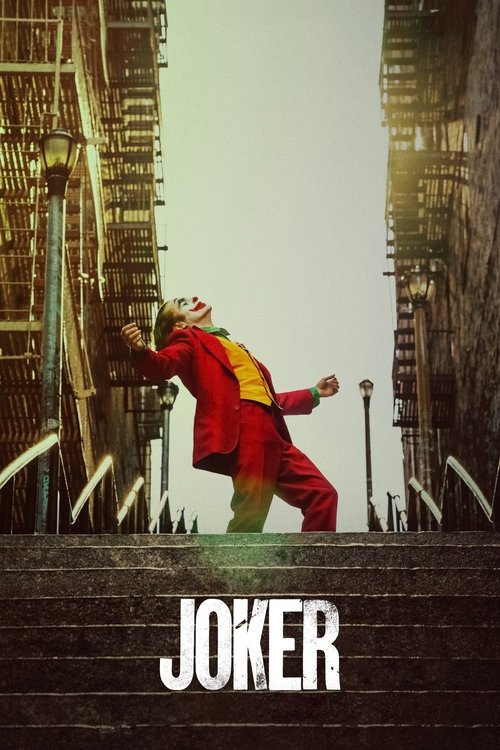
Joker
During the 1980s, a failed stand-up comedian is driven insane and turns to a life of crime and chaos in Gotham City while becoming an infamous psychopathic crime figure.
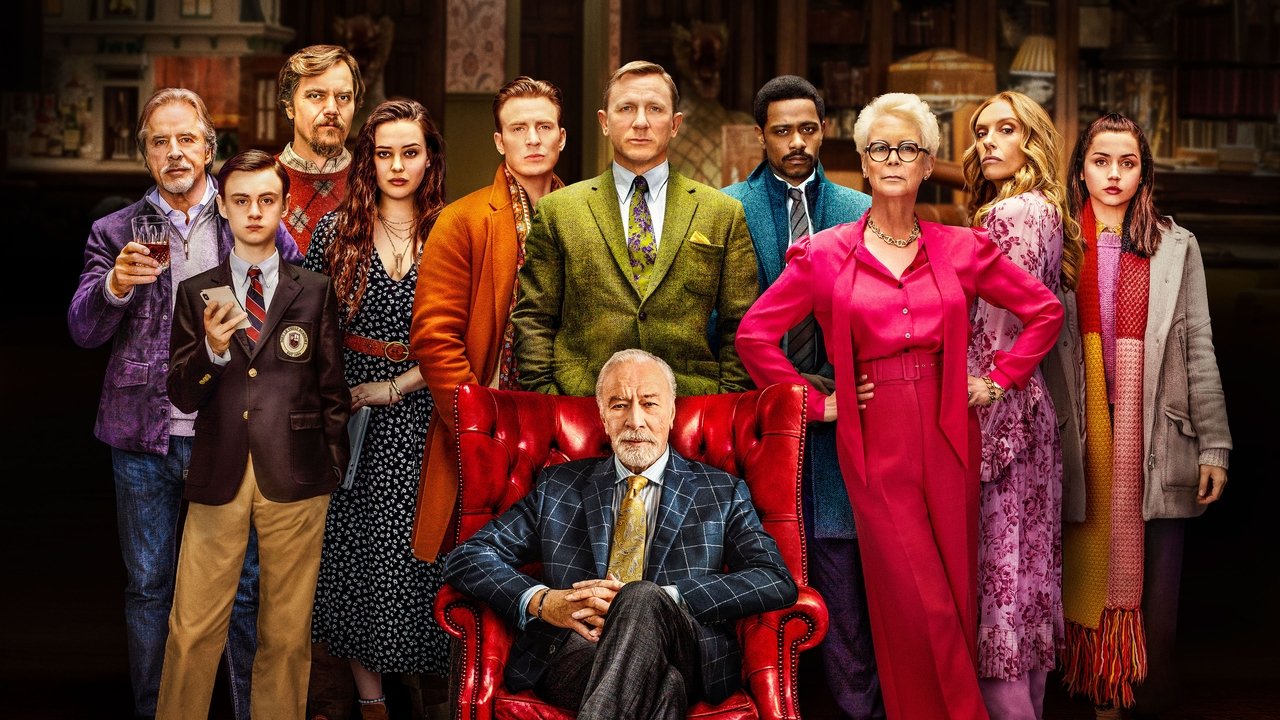
Knives Out (2019)
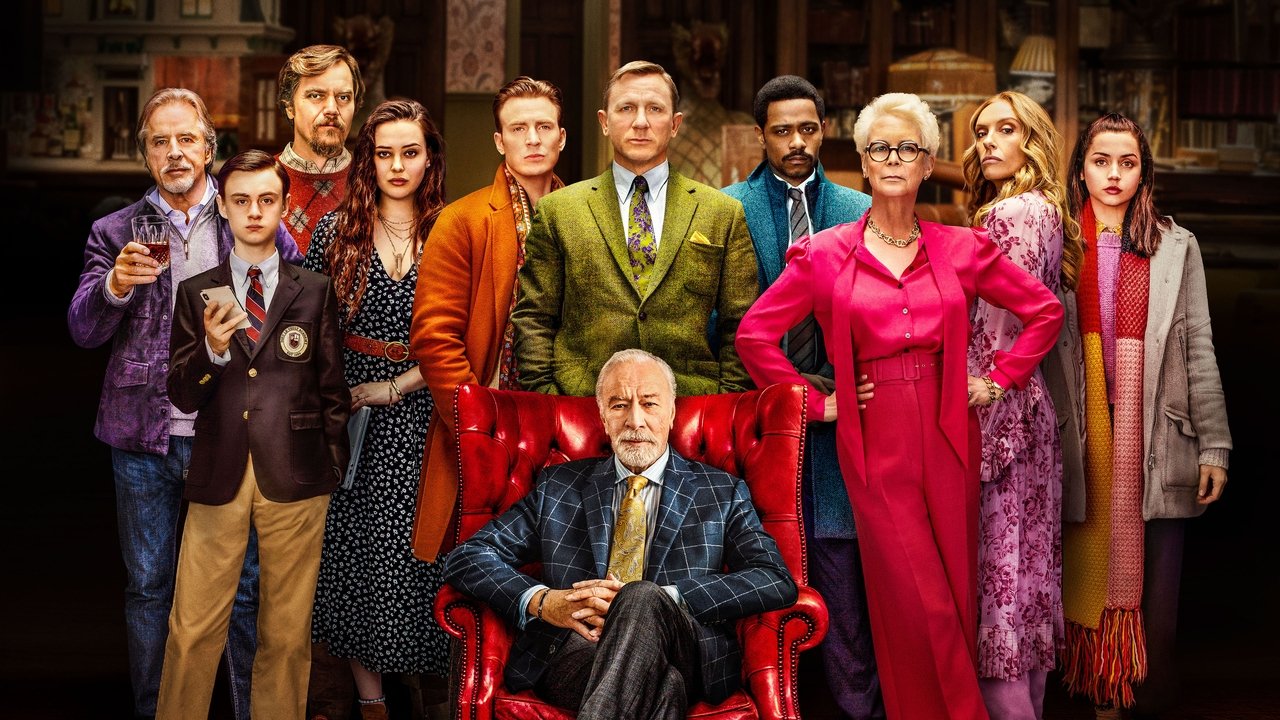
Rian Johnson's wickedly entertaining whodunit breathes new life into the murder mystery genre by simultaneously honoring and subverting its conventions. When renowned crime novelist Harlan Thrombey is found dead after his 85th birthday party, eccentric detective Benoit Blanc (Daniel Craig) is mysteriously hired to investigate. What unfolds is a delicious puzzle box of a film that constantly shifts our understanding of events while delivering sharp social commentary on class privilege and immigration.
"Knives Out" succeeds brilliantly as both a genuine mystery and a deconstruction of mystery tropes. Johnson's screenplay is a marvel of structure and misdirection, revealing crucial information early but finding new ways to generate suspense. The film's politics feel organic rather than imposed—wealth and entitlement create both motive and opportunity for crime, while assumptions about who "belongs" color how suspects are perceived. Craig clearly relishes playing against type as the Southern-fried detective, while Ana de Armas provides the emotional center as nurse Marta, whose inability to lie (she vomits when attempting to do so) becomes both vulnerability and strength. The Thrombey family mansion, with its secret passages and rooms full of curios, serves as the perfect visual manifestation of the film's intricate plot. "Knives Out" proves that the classic detective story still has plenty to offer when placed in the hands of filmmakers willing to honor tradition while interrogating its assumptions.
🎬 Did You Know? Director Rian Johnson named the detective Benoit Blanc as a tribute to Agatha Christie's Hercule Poirot and gave Daniel Craig's character a distinctive Southern accent after hearing Craig use a similar voice while they worked together on "Star Wars: The Last Jedi."
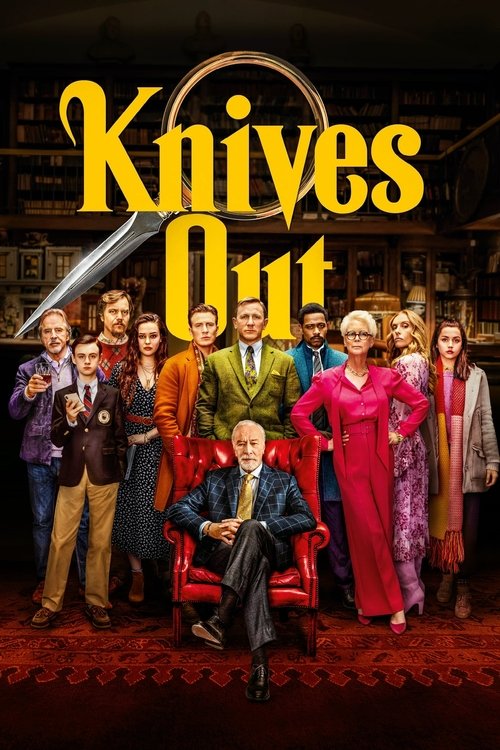
Knives Out
When renowned crime novelist Harlan Thrombey is found dead at his estate just after his 85th birthday, the inquisitive and debonair Detective Benoit Blanc is mysteriously enlisted to investigate. From Harlan's dysfunctional family to his devoted staff, Blanc sifts through a web of red herrings and self-serving lies to uncover the truth behind Harlan's untimely death.
The best crime films don't just thrill us with their cat-and-mouse games and moral ambiguity—they hold up a mirror to society, reflecting our fascinations, our fears, and sometimes our own complicity. From the psychological terror of "The Silence of the Lambs" to the societal commentary of "Joker," these films showcase different facets of criminality while demonstrating the incredible storytelling potential of the genre. Whether they follow detectives hunting killers, criminals executing heists, or ordinary people pulled into extraordinary circumstances, these films share a commitment to exploring the darker corners of human behavior.
What makes the crime genre eternally compelling is its versatility—it can accommodate psychological character studies, action spectacles, intricate mysteries, and profound moral dilemmas. The films in this collection demonstrate that range while maintaining the core tension that defines great crime cinema: the battle between chaos and order, between human darkness and the light of justice. Each viewing reveals new layers of meaning and craftsmanship, making these films not just entertainment but essential explorations of the human condition. Browse our full Crime collection →