Edge of Your Seat: The 9 Most Essential Thrillers You Must Stream in 2026
The thriller genre represents cinema at its most visceral — that delicious tension that builds in your chest, the way your fingers grip the armrest, and the satisfaction of a perfectly executed narrative twist. These films don't just entertain; they infiltrate your psyche and linger long after the credits roll. What separates a good thriller from a truly great one is not just shock value or adrenaline, but psychological depth, visual innovation, and performances that haunt you for days.
StreamLume's collection features dozens of pulse-pounding thrillers, but these nine stand as masterclasses in suspense, showcasing directors working at the peak of their powers and stories that continue to influence filmmaking today. From classic psychological cat-and-mouse games to modern societal horrors, these films represent the very best of a genre designed to keep viewers perpetually on edge.
The Silence of the Lambs (1991)
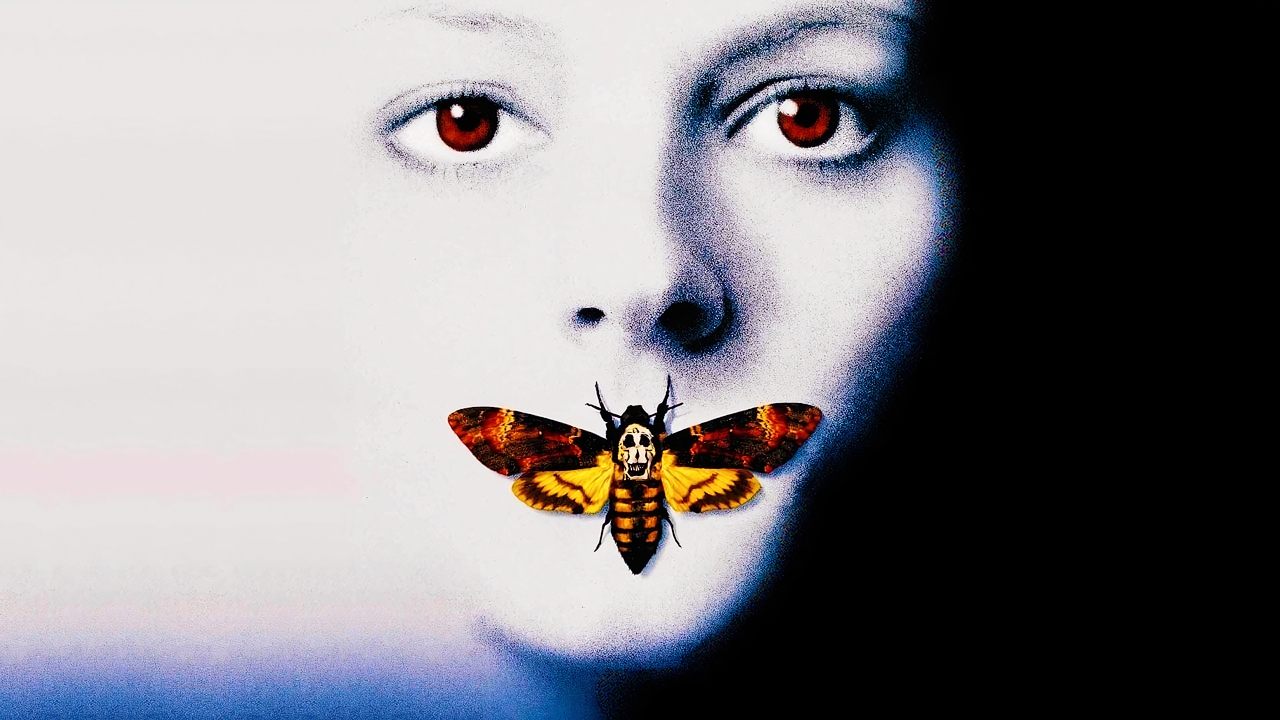
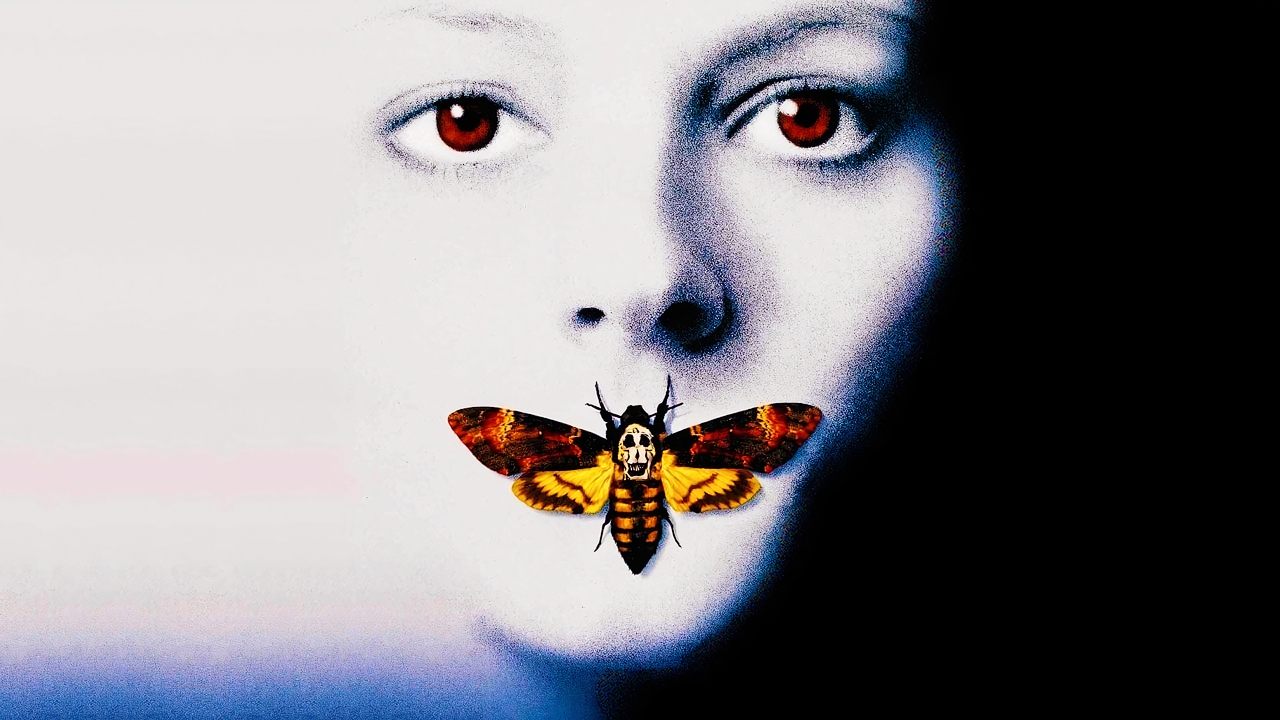
Jonathan Demme's psychological masterpiece remains the gold standard for the genre, one of only three films in history to sweep the "Big Five" Academy Awards. At its core lies the electrifying dynamic between Jodie Foster's rookie FBI agent Clarice Starling and Anthony Hopkins' sophisticated cannibal Dr. Hannibal Lecter. Their verbal chess matches are among cinema's most riveting exchanges, creating tension from nothing more than conversation and unwavering eye contact.
What makes this film transcend the typical crime thriller is its psychological complexity. Clarice isn't just hunting a killer; she's navigating the labyrinth of her own trauma, with Lecter serving as both guide and tormentor. The film's visual language is equally powerful, particularly in the way Demme uses close-ups that violate the fourth wall, with characters seemingly addressing the audience directly, pulling us uncomfortably into their intimate psychological space.
Howard Shore's haunting score adds another layer of unease, while cinematographer Tak Fujimoto's work ensures that even well-lit spaces feel threatening. The film's influence on both television and cinema cannot be overstated, essentially creating the template for the psychological profiler subgenre that would dominate screens for decades to come.
🎬 Did You Know? Anthony Hopkins won his Oscar for Best Actor despite appearing on screen for only 16 minutes — one of the shortest performances ever to win in that category.
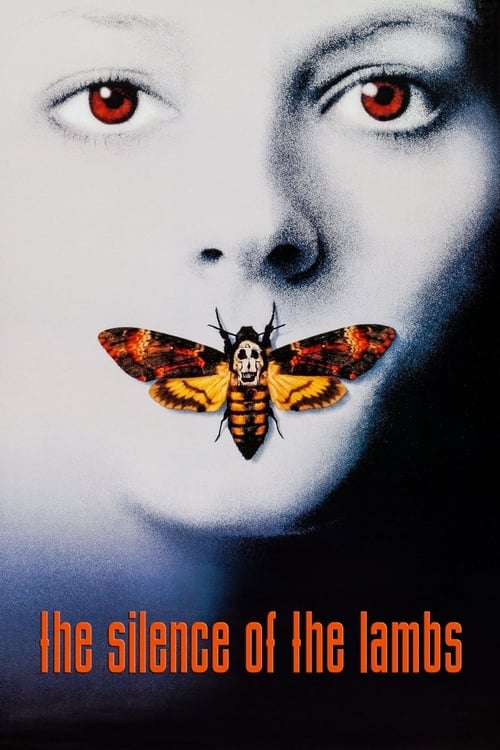
The Silence of the Lambs
Clarice Starling is a top student at the FBI's training academy. Jack Crawford wants Clarice to interview Dr. Hannibal Lecter, a brilliant psychiatrist who is also a violent psychopath, serving life behind bars for various acts of murder and cannibalism. Crawford believes that Lecter may have insight into a case and that Starling, as an attractive young woman, may be just the bait to draw him out.
Se7en (1995)
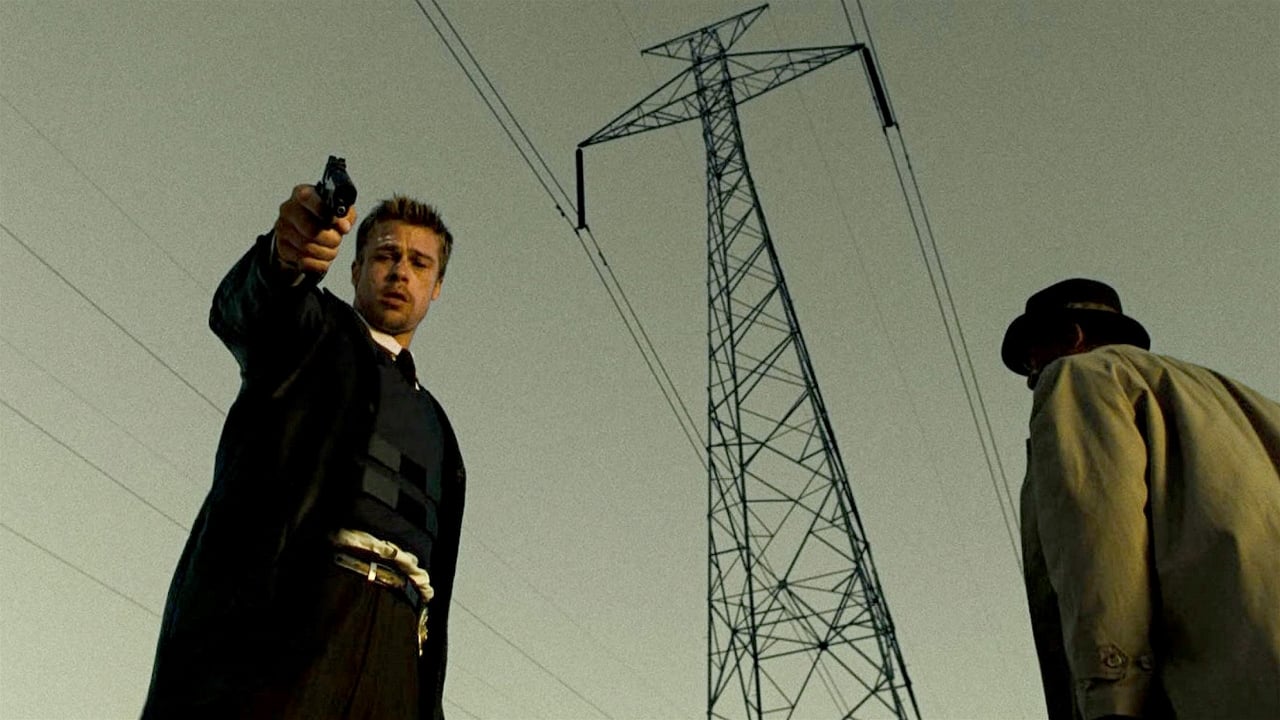
David Fincher's rain-soaked, noir-influenced thriller stands as one of the most visually distinctive entries in the genre. The film's now-iconic opening credits sequence alone signaled that audiences were in for something extraordinarily atmospheric and disturbing. Through the partnership of Brad Pitt's idealistic Detective Mills and Morgan Freeman's world-weary Detective Somerset, the film explores humanity's capacity for depravity through the lens of a serial killer structuring his murders around the seven deadly sins.
What elevates "Se7en" beyond its grim premise is Fincher's masterful control of tone and pacing. The film builds dread methodically, with each crime scene more disturbing than the last, leading to one of cinema's most shocking and philosophically bleak conclusions. Cinematographer Darius Khondji's work is nothing short of miraculous, creating a perpetually wet, grimy, decaying urban landscape that feels like a character unto itself.
The film represents a pivotal moment in crime cinema, influencing countless thrillers that followed with its unflinching examination of evil and its refusal to provide audiences with easy moral comfort. Even now, nearly three decades later, its final act delivers a gut punch that remains undiminished by time or familiarity.
🎬 Did You Know? Brad Pitt accidentally slipped on set and broke his arm during filming, which the creative team incorporated into the script by having his character injure his arm during the chase scene.
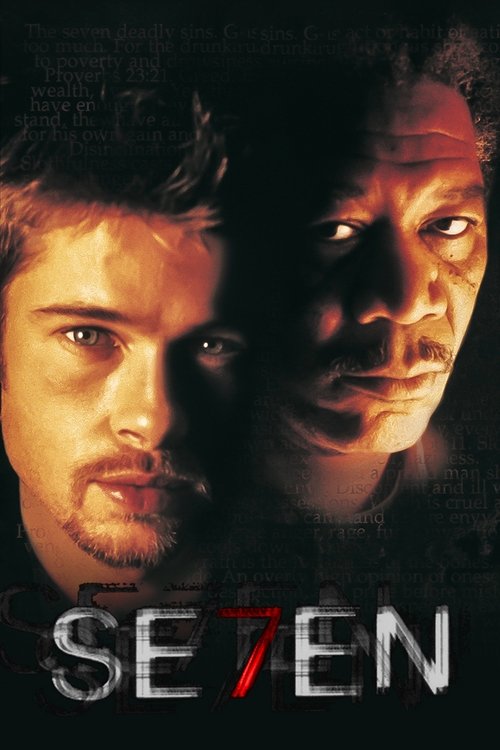
Se7en
Two homicide detectives are on a desperate hunt for a serial killer whose crimes are based on the "seven deadly sins" in this dark and haunting film that takes viewers from the tortured remains of one victim to the next. The seasoned Det. Somerset researches each sin in an effort to get inside the killer's mind, while his novice partner, Mills, scoffs at his efforts to unravel the case.
Rear Window (1954)
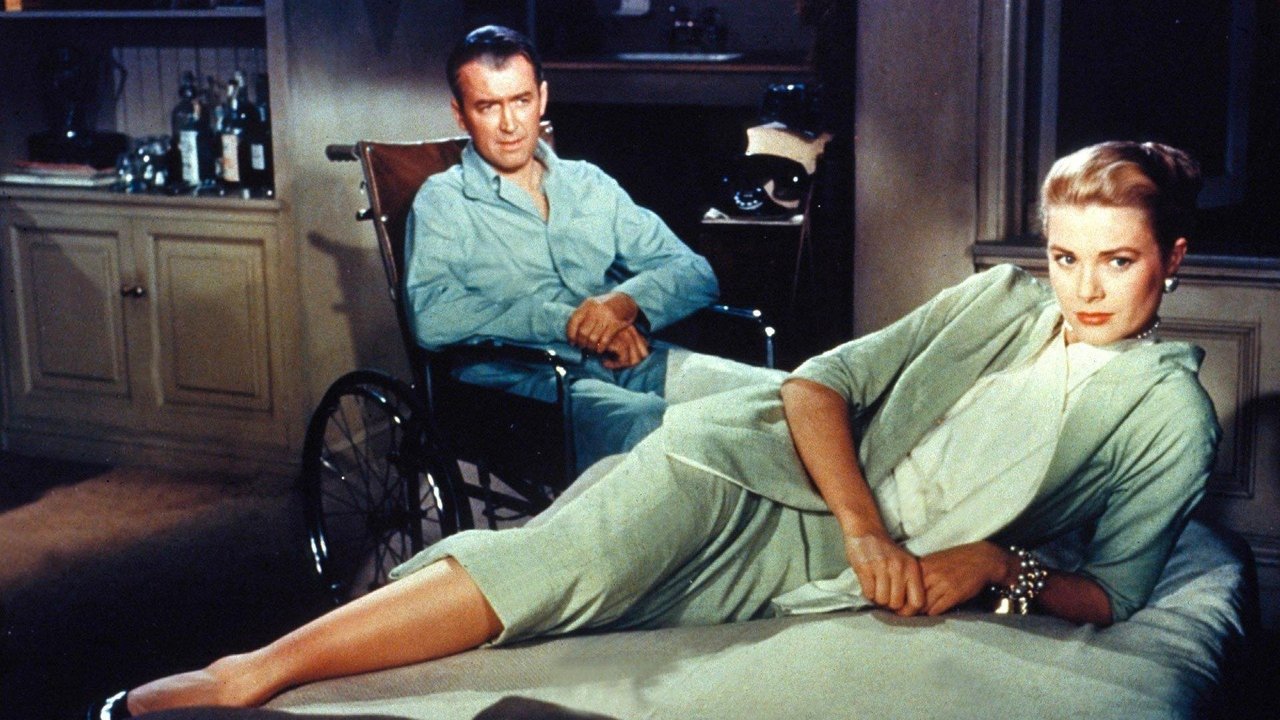
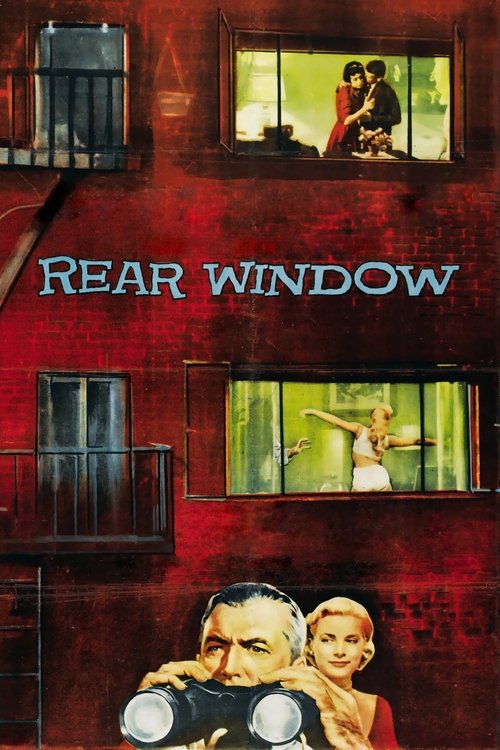
Alfred Hitchcock's voyeuristic masterpiece remains the quintessential exercise in sustained tension. James Stewart's wheelchair-bound photographer L.B. Jefferies passes his recovery time by observing his neighbors through their windows, gradually becoming convinced one has murdered his wife. The brilliance of "Rear Window" lies in its restricted perspective – we see only what Jefferies sees, making us complicit in his voyeurism and equally uncertain about what truly happened.
The film's single-location setting becomes its greatest strength, with Hitchcock transforming limitation into virtue. Each apartment window becomes a miniature theater, hosting silent vignettes of human joy, loneliness, romance, and possibly murder. Grace Kelly delivers one of cinema's most elegant performances as Lisa Fremont, whose investigation of the suspected murder transforms her from sophisticated socialite to daring detective in Jefferies' eyes.
What makes "Rear Window" so enduringly unsettling is how it implicates the audience in its protagonist's obsession. We are watching a man watching others, a meta-commentary on cinema itself and our insatiable desire to peer into lives not our own. The film's influence extends beyond thriller into practically every genre, with its techniques for building suspense still studied and emulated by filmmakers today.
🎬 Did You Know? The elaborate apartment complex set was built entirely on Paramount's largest soundstage and included 31 fully furnished apartments, many with working plumbing and electricity.
Rear Window
A wheelchair-bound photographer spies on his neighbors from his apartment window and becomes convinced one of them has committed murder.
Fight Club (1999)
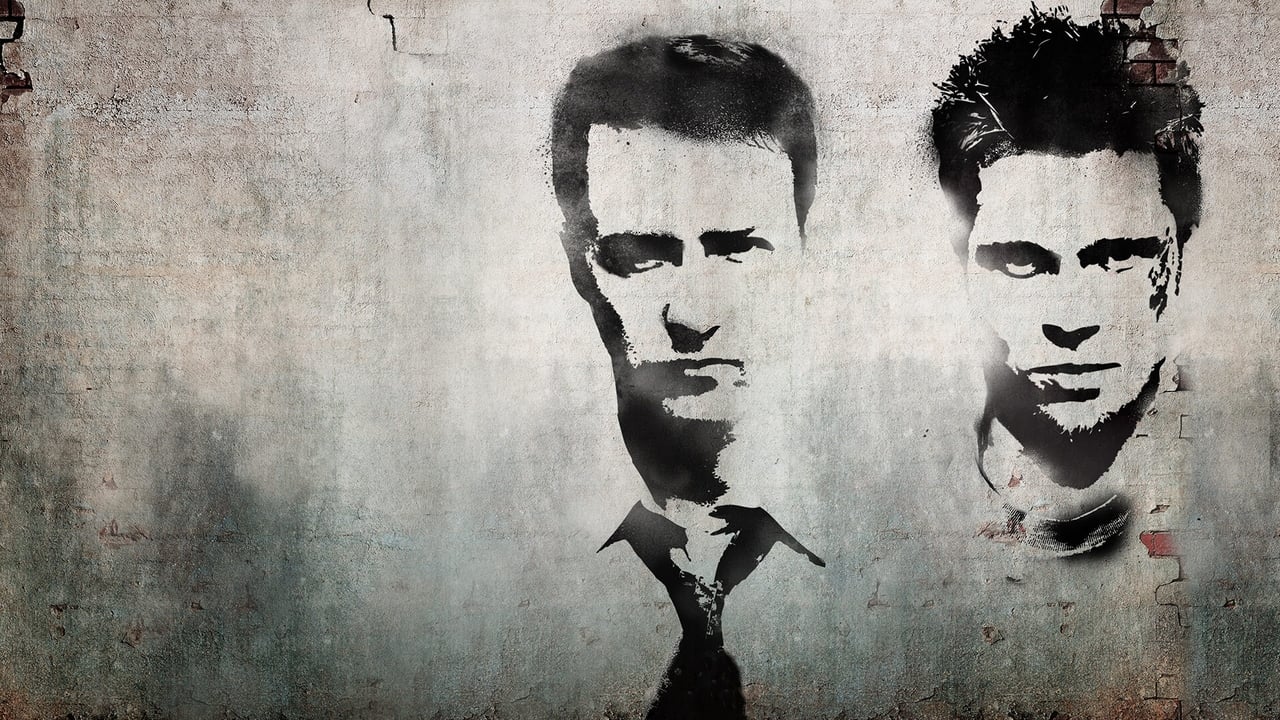
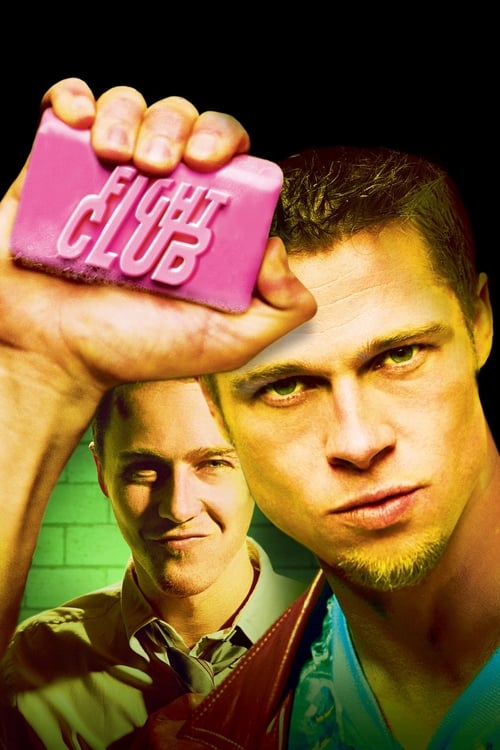
Few films have managed to burrow as deeply into the collective consciousness as Fincher's anarchic examination of masculinity in crisis. Initially misunderstood and underperforming at the box office, "Fight Club" has since been recognized as one of the most incisive and visually innovative thrillers of its era. Edward Norton's unnamed narrator and Brad Pitt's charismatic Tyler Durden form one of cinema's most complex relationships, navigating a story that constantly subverts audience expectations.
The film's visual style is nothing short of revolutionary, with Fincher and cinematographer Jeff Cronenweth creating a chemical-bath aesthetic that perfectly complements its themes of decay and rebirth. Its famous twist doesn't merely shock; it forces viewers to recontextualize everything they've witnessed, demanding immediate rewatching.
Beyond its stunning visuals and narrative gymnastics, "Fight Club" endures because it tapped into something genuine about turn-of-the-millennium male anxiety. Its examination of consumer culture, identity, and the search for authentic experience in an increasingly synthetic world has only grown more relevant with time. The film represents thriller storytelling at its most ambitious, using the genre's tools to deliver biting social commentary disguised as anarchic entertainment.
🎬 Did You Know? Brad Pitt and Edward Norton took actual soap-making classes to prepare for their roles, learning the exact process their characters use in the film.
Fight Club
A ticking-time-bomb insomniac and a slippery soap salesman channel primal male aggression into a shocking new form of therapy. Their concept catches on, with underground "fight clubs" forming in every town, until an eccentric gets in the way and ignites an out-of-control spiral toward oblivion.
The Usual Suspects (1995)
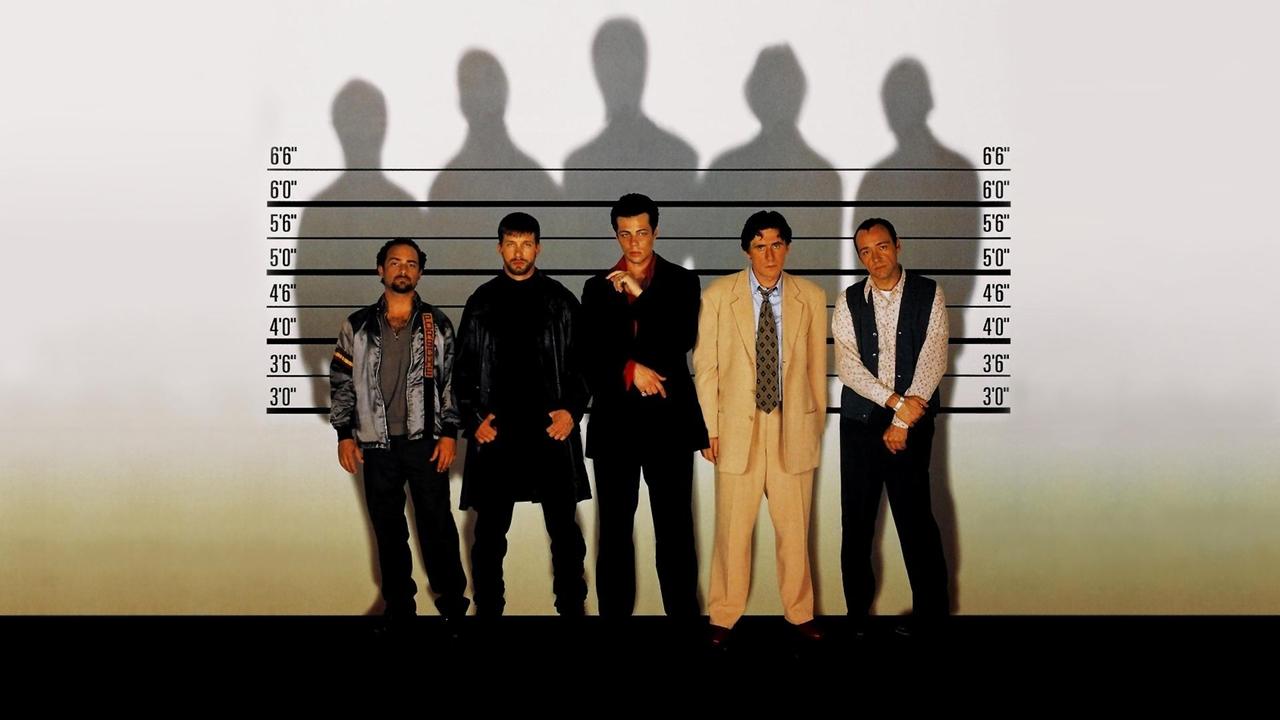
Bryan Singer's labyrinthine crime thriller showcases the genre at its most narratively cunning. The film's nonlinear structure follows five criminals who meet in a police lineup and subsequently become entangled in a complex heist orchestrated by the mysterious Keyser Söze. Kevin Spacey's Oscar-winning performance as Verbal Kint stands as one of the most memorable in modern thriller history, a masterclass in misdirection.
What makes "The Usual Suspects" so compelling is how it plays with perspective and reliability. The entire film operates as an extended magic trick, with cinematographer Newton Thomas Sigel's atmospheric visuals and John Ottman's haunting score working in perfect harmony to distract viewers from what's hiding in plain sight. The film rewards multiple viewings precisely because it's constructed to deceive on first watch.
Christopher McQuarrie's ingenious script deservedly won an Academy Award, building a mythology around its unseen antagonist that few films have matched. In a genre filled with twist endings, "The Usual Suspects" remains the benchmark against which all others are measured, delivering a conclusion that doesn't merely surprise but fundamentally transforms the entire narrative that preceded it.
🎬 Did You Know? The film's iconic lineup scene was originally intended to be serious, but the actors couldn't stop laughing during filming, so director Bryan Singer kept the humorous takes in the final cut.
The Usual Suspects
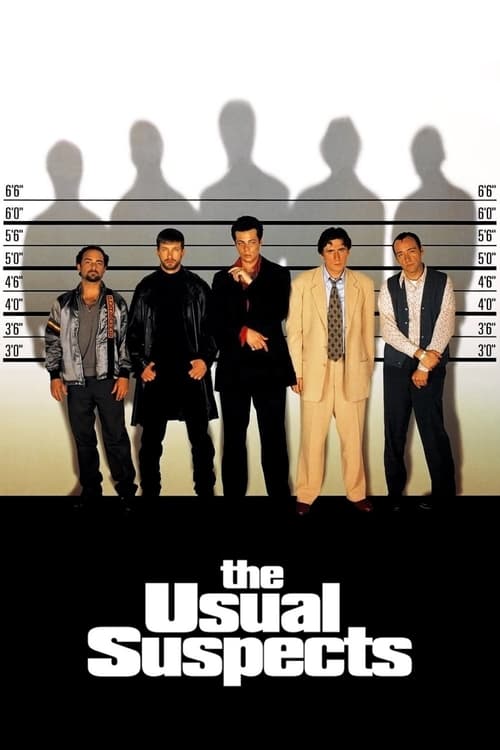
Held in an L.A. interrogation room, Verbal Kint attempts to convince the feds that a mythic crime lord, Keyser Soze, not only exists, but was also responsible for drawing him and his four partners into a multi-million dollar heist that ended with an explosion in San Pedro harbor – leaving few survivors. Verbal lures his interrogators with an incredible story of the crime lord's almost supernatural prowess.
No Country for Old Men (2007)
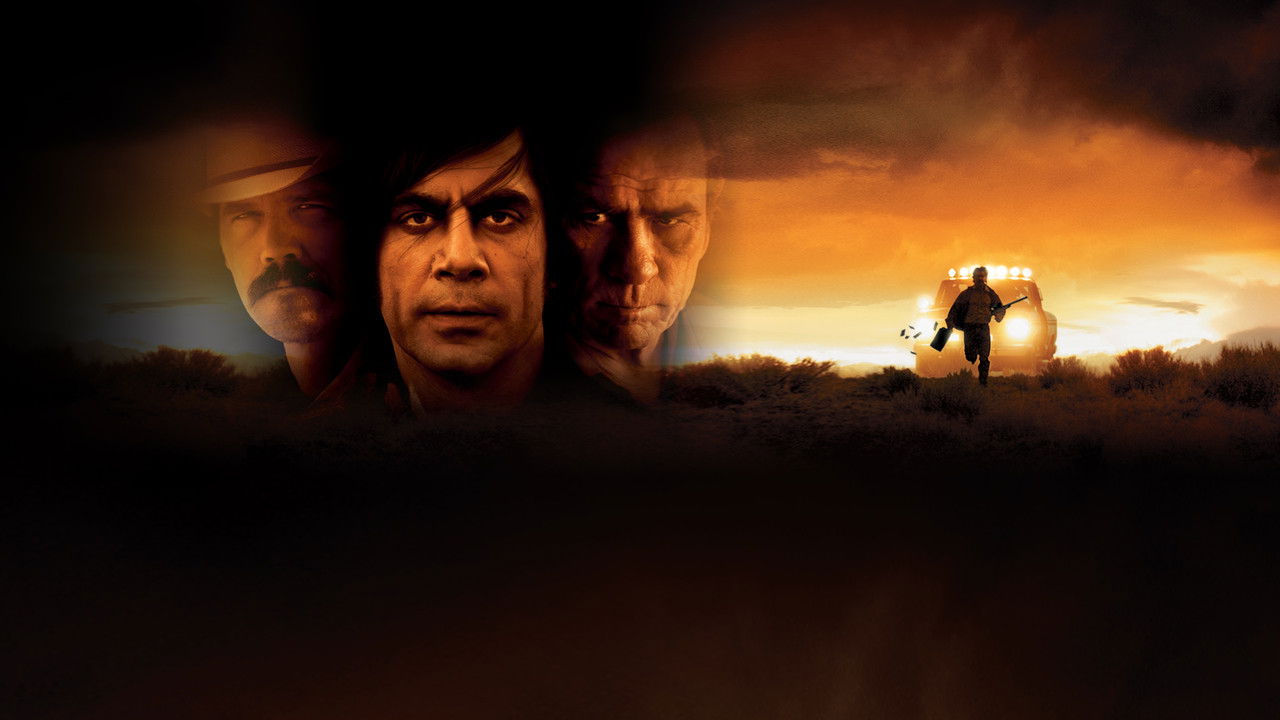
The Coen brothers' adaptation of Cormac McCarthy's novel stands as perhaps the most perfectly executed thriller of the 21st century thus far. Set against the sun-bleached landscapes of 1980 West Texas, the film follows Llewelyn Moss (Josh Brolin) who discovers the aftermath of a drug deal gone wrong, taking a suitcase containing $2 million – a decision that puts him in the crosshairs of Anton Chigurh (Javier Bardem), one of cinema's most terrifying antagonists.
What distinguishes "No Country" is its extraordinary restraint. The film features minimal music, relying instead on meticulously crafted sound design to build tension. Roger Deakins' cinematography transforms the Texas desert into an unforgiving moral landscape where actions have inevitable consequences. The film's violence is brutal but never gratuitous, each instance serving the story's larger meditation on fate and human agency.
Bardem's performance as Chigurh won him an Oscar and created an instantly iconic villain – a philosophical force of nature with his own twisted code. The film subverts traditional thriller conventions at every turn, particularly in its refusal to provide the standard climactic confrontation audiences might expect. Instead, it offers something more thoughtful and ultimately more unsettling – a reflection on violence, time, and the illusion of control.
🎬 Did You Know? Javier Bardem's chilling character Anton Chigurh was voted the most realistic cinematic psychopath by a panel of forensic psychiatrists in a 2012 study.
No Country for Old Men
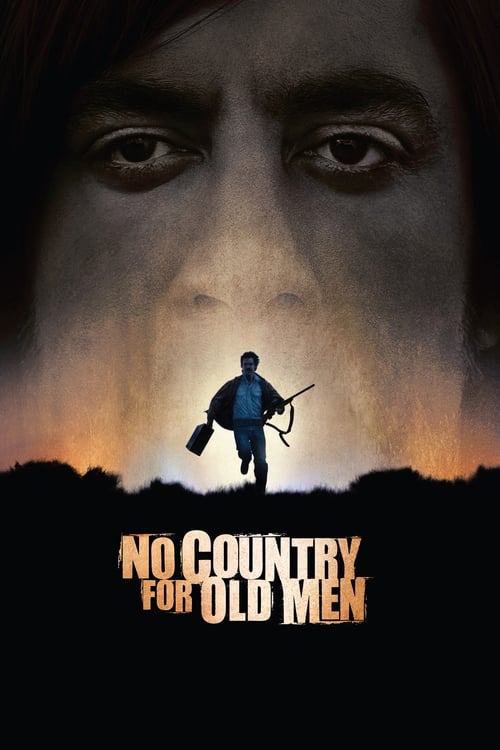
Llewelyn Moss stumbles upon dead bodies, $2 million and a hoard of heroin in a Texas desert, but methodical killer Anton Chigurh comes looking for it, with local sheriff Ed Tom Bell hot on his trail. The roles of prey and predator blur as the violent pursuit of money and justice collide.
Prisoners (2013)
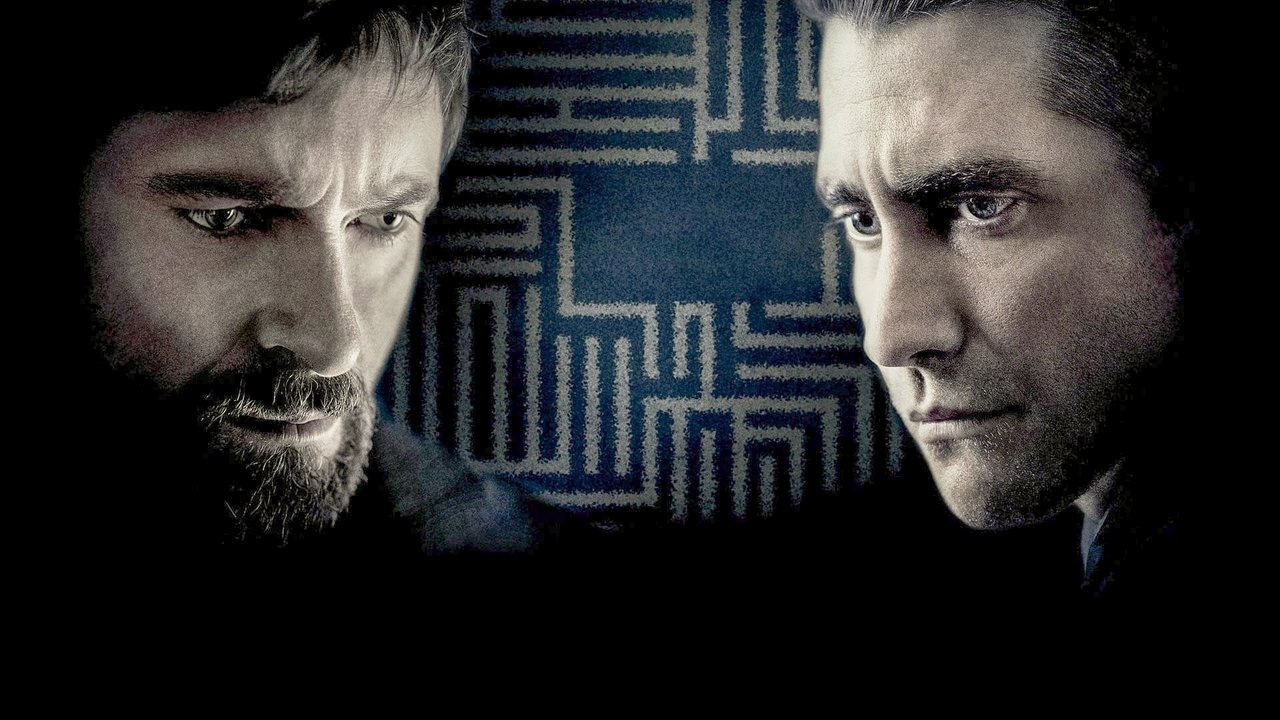
Denis Villeneuve's devastating exploration of vigilante justice follows Hugh Jackman's desperate father Keller Dover as he takes matters into his own hands after his daughter and her friend go missing. Jake Gyllenhaal's Detective Loki pursues the case through official channels, creating a dual narrative that questions how far is too far when seeking justice.
What elevates "Prisoners" above standard kidnapping thrillers is Villeneuve's unflinching moral complexity and cinematographer Roger Deakins' visual mastery. The film's perpetually overcast Pennsylvania setting becomes a perfect backdrop for its ethical murkiness, with rain and snow creating a landscape as morally ambiguous as the characters' actions. The film refuses easy answers, forcing viewers to continually reassess their sympathies.
Jackman delivers perhaps his finest dramatic performance as a father driven to extremes, while Gyllenhaal's detective provides the film's moral center – though one constantly tested by circumstance. The film's labyrinthine mystery unfolds with meticulous precision, building to a conclusion that satisfies narratively while leaving viewers ethically unsettled. "Prisoners" represents the modern thriller at its most thought-provoking, using genre conventions to explore profound questions about justice, vengeance, and the moral cost of certainty.
🎬 Did You Know? Hugh Jackman was so intensely committed to the emotional torture scene that he actually bruised his hand punching a wall in frustration when Villeneuve called "cut" during filming.
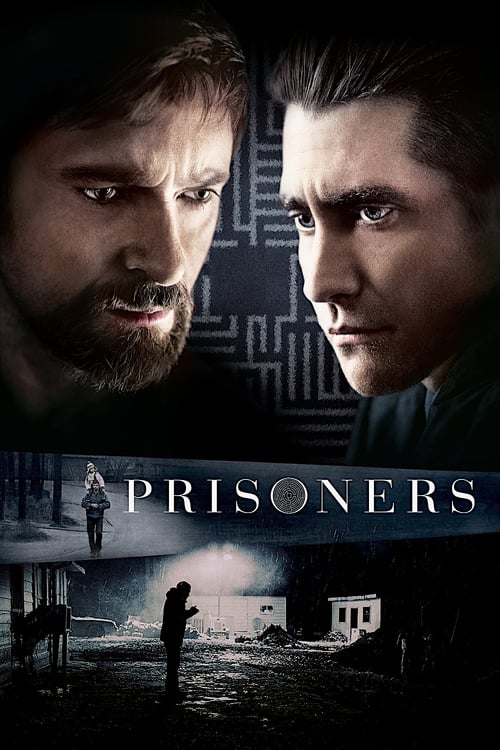
Prisoners
Keller Dover is facing every parent’s worst nightmare. His six-year-old daughter, Anna, is missing, together with her young friend, Joy, and as minutes turn to hours, panic sets in. The only lead is a dilapidated RV that had earlier been parked on their street.
Get Out (2017)
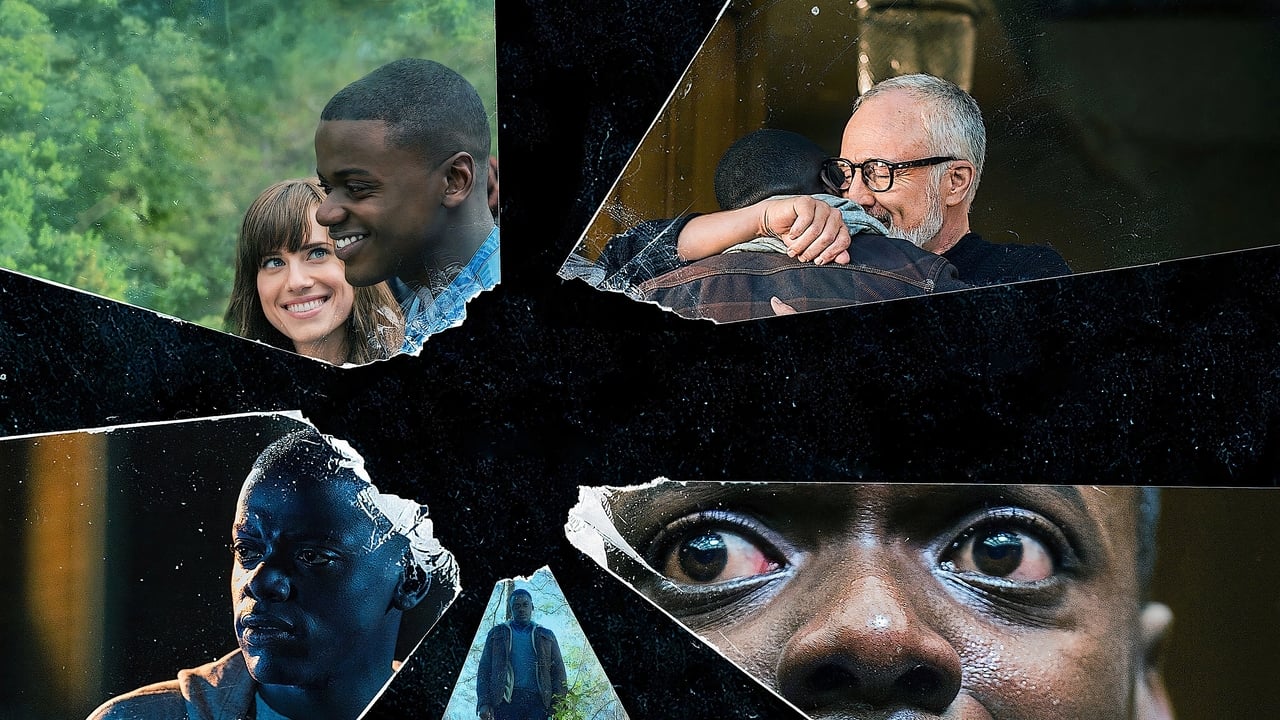
Jordan Peele's directorial debut revolutionized the thriller landscape by seamlessly blending social commentary with genuine suspense. The film follows photographer Chris Washington (Daniel Kaluuya) as he visits his white girlfriend's family for the weekend, encountering increasingly disturbing behavior that suggests something sinister beneath the liberal façade.
What makes "Get Out" so remarkable is how it transforms microaggressions and racial discomfort into literal horror. Peele's background in comedy serves him well, using humor to disarm viewers before delivering increasingly unsettling revelations. Michael Abels' score brilliantly incorporates African-American musical traditions, creating a soundscape that enhances the film's themes of cultural appropriation and exploitation.
Kaluuya's performance is a masterclass in restrained reaction, his expressive eyes communicating volumes as Chris processes each new red flag. The film's "Sunken Place" became an instant cultural touchstone, providing a powerful visual metaphor for the silencing of Black voices. Few thriller films have so successfully married genre entertainment with incisive social critique, creating a viewing experience that's simultaneously entertaining and consciousness-raising.
🎬 Did You Know? Daniel Kaluuya was cast after Jordan Peele saw him in a single episode of "Black Mirror" and was immediately convinced he could carry the emotional weight of the film.
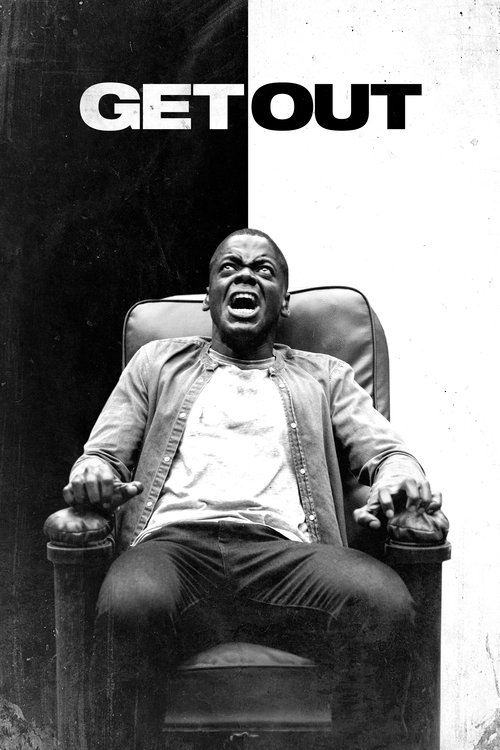
Get Out
Chris and his girlfriend Rose go upstate to visit her parents for the weekend. At first, Chris reads the family's overly accommodating behavior as nervous attempts to deal with their daughter's interracial relationship, but as the weekend progresses, a series of increasingly disturbing discoveries lead him to a truth that he never could have imagined.
Whiplash (2014)
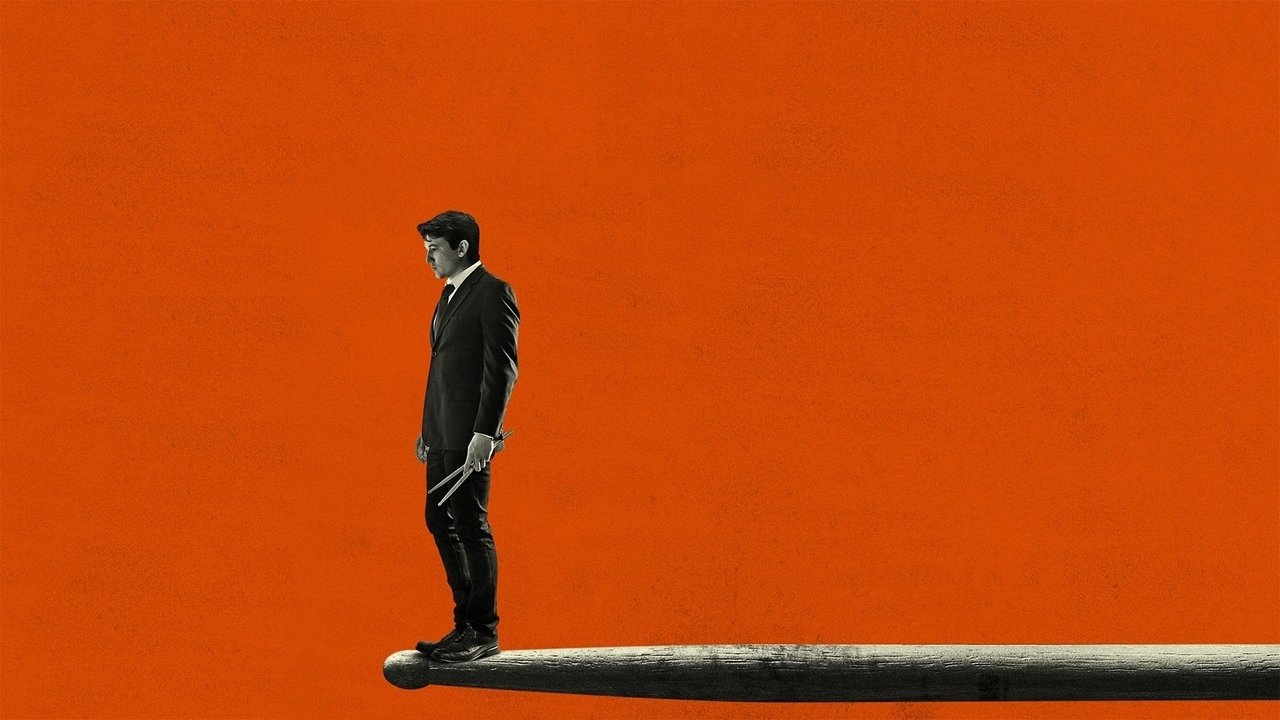
While not typically categorized as a thriller in the traditional sense, Damien Chazelle's "Whiplash" delivers tension more effectively than most films explicitly working within the genre. The psychological warfare between Miles Teller's ambitious jazz drummer Andrew Neiman and J.K. Simmons' tyrannical instructor Terence Fletcher creates a cat-and-mouse dynamic as gripping as any manhunt.
Chazelle transforms musical performance into suspense sequences, with Teller's bloody drumming scenes shot and edited with the intensity of action sequences. The film's visual language, with its sweat-drenched close-ups and whip-pan camera movements, perfectly complements its exploration of artistic obsession. Simmons deservedly won an Oscar for his portrayal of Fletcher, creating one of cinema's most intimidating antagonists without ever resorting to physical violence.
What makes "Whiplash" such an effective psychological thriller is how it examines the thin line between mentorship and abuse, and the cost of greatness. The film builds to one of the most cathartic finales in recent memory, a drum solo that functions as both triumphant conclusion and ambiguous Pyrrhic victory. Chazelle's film proves that the most effective thrillers don't need conventional genre trappings – just precisely observed human psychology and the right pressure points.
🎬 Did You Know? Miles Teller, who had been playing drums since age 15, spent 4-5 hours of daily practice for months and endured bleeding hands during filming to perform the intense drumming sequences authentically.
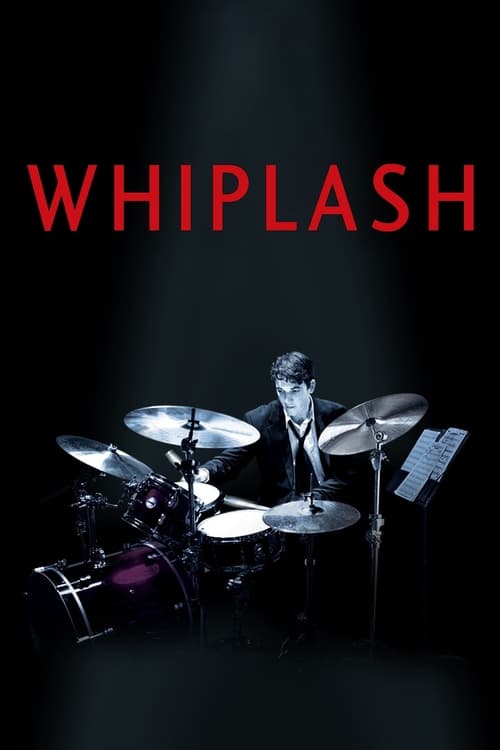
Whiplash
Under the direction of a ruthless instructor, a talented young drummer begins to pursue perfection at any cost, even his humanity.
The best thrillers don't merely shock or startle – they crawl under your skin and take up residence in your psyche. They challenge our perceptions, force us to question our moral boundaries, and sometimes make us uncomfortable participants in their narratives. Whether through psychological warfare, moral ambiguity, or social commentary disguised as entertainment, these nine films represent the pinnacle of a genre designed to keep us perpetually on edge. Each has influenced countless filmmakers and continues to demonstrate how effective storytelling combined with visual innovation can create experiences that transcend simple categorization. The thriller, at its best, isn't just a genre – it's a full-body experience. Browse our full Thriller collection →