The Definitive Horror Collection: 10 Must-Watch Films That Still Terrify in 2026
The beauty of horror as an art form lies in its remarkable ability to tap into our primal fears while reflecting the anxieties of its time. From the cosmic dread of isolation to the intimate terror of family trauma, horror films provide a safe space to confront our darkest fears. StreamLume proudly presents this curated collection of genre standouts that continue to terrify, provoke, and mesmerize audiences in 2026. These films aren't just scary—they're transformative cinematic experiences that linger in the mind long after the credits roll.
Alien (1979)
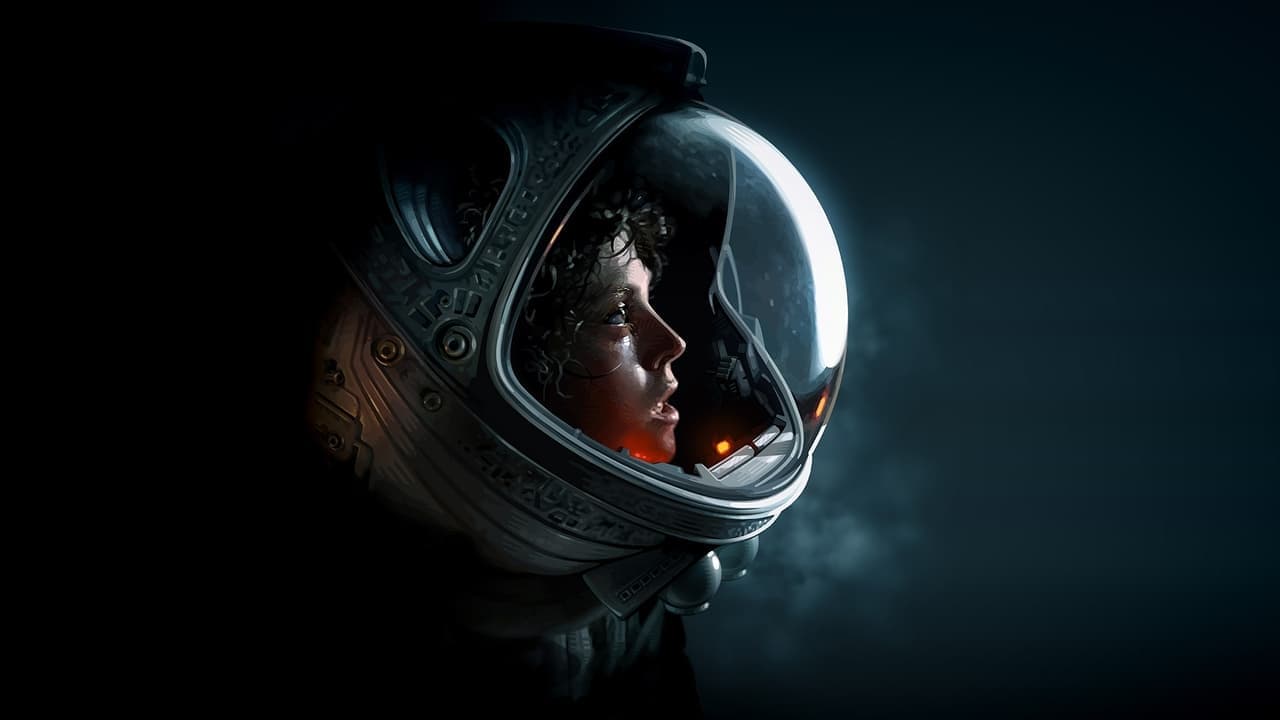
Ridley Scott's masterpiece remains the gold standard for blending science-fiction with pure, unrelenting horror. What makes "Alien" so brilliant is its patient buildup of tension—the first half operates like a slow-burning chamber piece before unleashing one of cinema's most shocking moments. The claustrophobic setting of the Nostromo, with its labyrinthine air ducts and shadowy corridors, creates a perfect hunting ground for H.R. Giger's biomechanical nightmare creation.
Sigourney Weaver's Ellen Ripley emerged as a revolutionary character in 1979, defying the typical gender roles of the era to become cinema's definitive final girl. The film's genius lies in its restraint—Scott understood that what we imagine lurking in the shadows is far more terrifying than what we can clearly see. The xenomorph appears sparingly, yet its presence looms over every frame. The chest-burster scene remains one of horror's most visceral moments, a perfect marriage of practical effects, sound design, and genuine shock that modern CGI-laden films rarely achieve.
🎬 Did You Know? The iconic chest-burster scene was filmed in one take with most of the actors unaware of exactly what would happen, resulting in genuine reactions of horror when the alien emerged from Kane's chest.
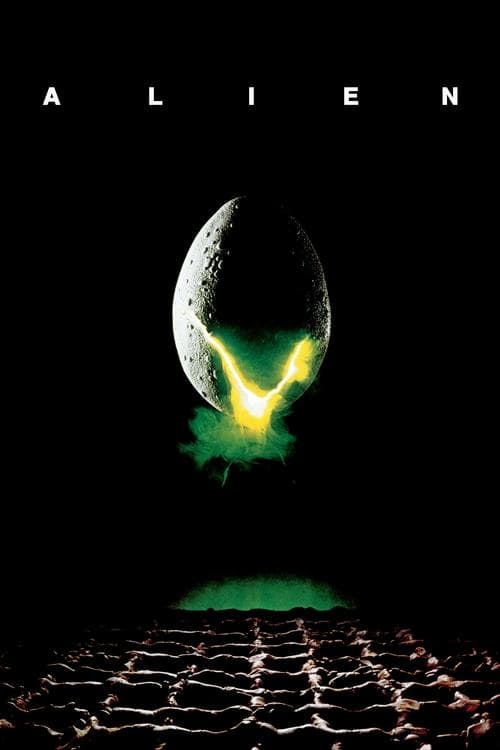
Alien
During its return to the earth, commercial spaceship Nostromo intercepts a distress signal from a distant planet. When a three-member team of the crew discovers a chamber containing thousands of eggs on the planet, a creature inside one of the eggs attacks an explorer. The entire crew is unaware of the impending nightmare set to descend upon them when the alien parasite planted inside its unfortunate host is birthed.
The Thing (1982)
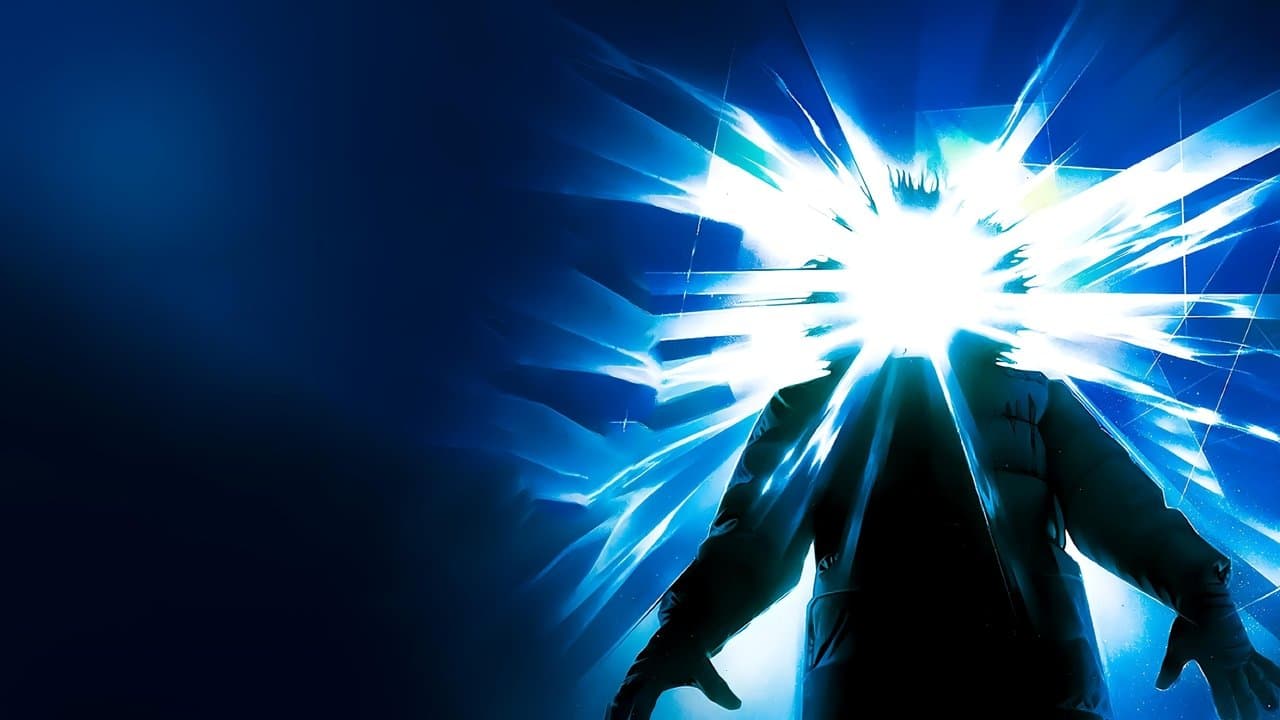
John Carpenter's paranoid masterpiece was criminally misunderstood upon release but has rightfully claimed its throne as one of the greatest horror films ever made. Set in the desolation of Antarctica, "The Thing" explores isolation and mistrust in ways that feel eerily relevant decades later. When an alien organism with the ability to perfectly mimic other lifeforms infiltrates an American research station, paranoia becomes the true antagonist.
Kurt Russell's MacReady embodies the reluctant hero forced into leadership when systems collapse, while the ensemble cast creates a believable microcosm of humanity under extreme duress. But the true star is Rob Bottin's revolutionary practical effects work—grotesque, visceral transformations that remain unparalleled even in our CGI-saturated era. The blood test scene builds tension with Hitchcockian precision before erupting into chaos. Carpenter's masterful direction paired with Ennio Morricone's minimalist, pulsing score creates an atmosphere of dread that never dissipates. In its nihilistic final moments, "The Thing" offers no easy answers, no heroic triumph—just the cold, unforgiving Antarctic night and questions that linger like frost on glass.
🎬 Did You Know? Rob Bottin was only 22 years old when he created the groundbreaking practical effects for the film, working so intensely that he was hospitalized for exhaustion after production wrapped.
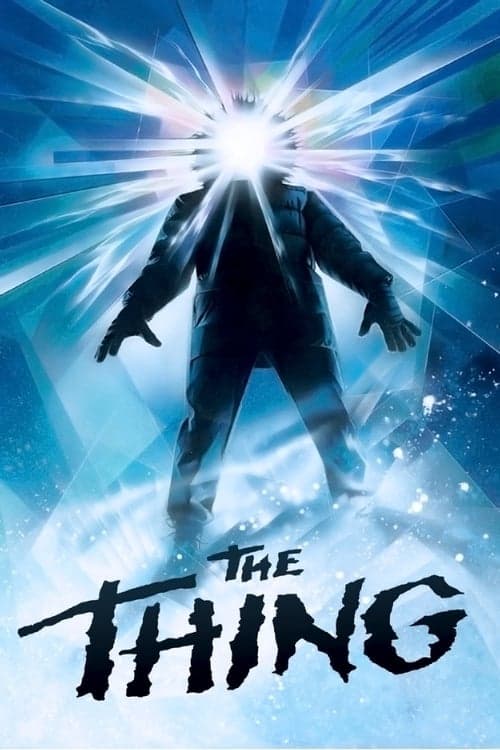
The Thing
A research team in Antarctica is hunted by a shape-shifting alien that assumes the appearance of its victims.
Hereditary (2018)
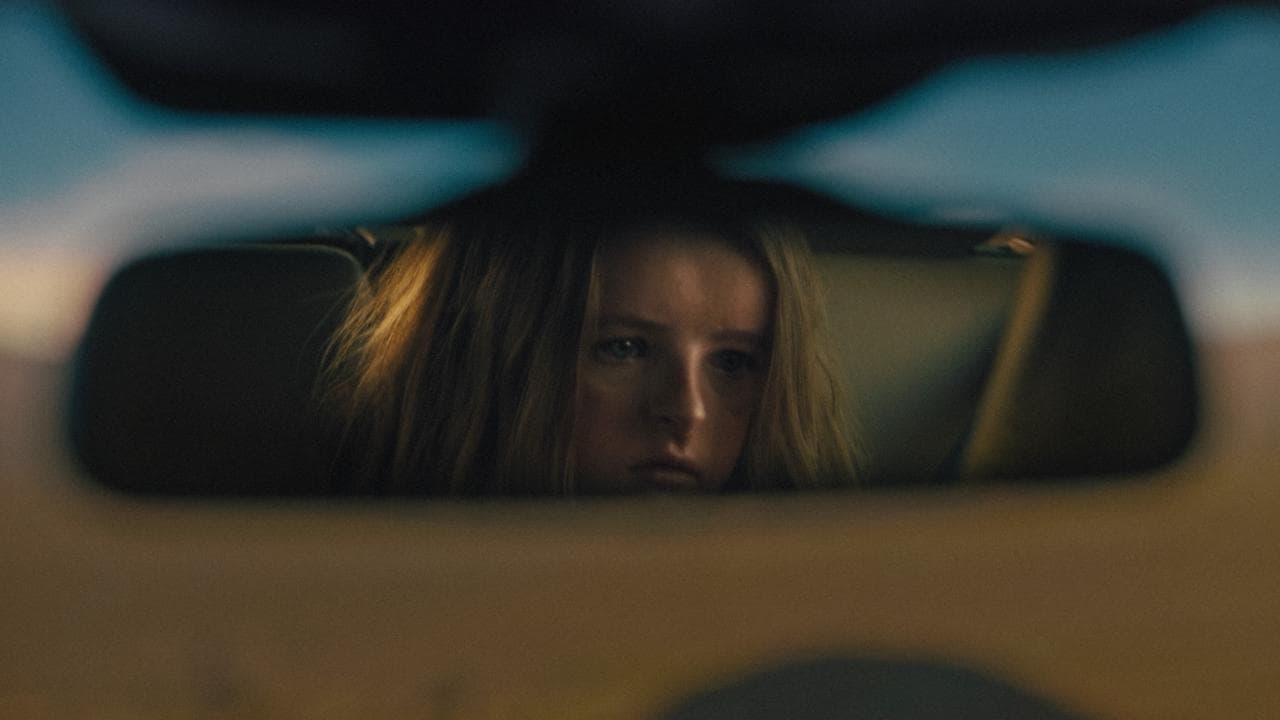
Ari Aster's debut feature announced the arrival of a bold new voice in horror with a film that digs its claws into family trauma with unrelenting precision. Toni Collette delivers a career-defining performance as Annie Graham, a woman whose family unravels following the death of her secretive mother. What begins as a meditation on grief spirals into a nightmare that blurs the line between psychological breakdown and supernatural terror.
The shocking mid-film twist reframes everything that came before and after, transforming the narrative from family drama to something far more sinister. Aster's clinical direction creates unbearable tension through lingering shots and subtle background details that reward attentive viewers. The film's production design deserves special mention—Annie's meticulously crafted miniatures serve as both metaphor and foreshadowing, suggesting the characters are merely pawns in some larger, malevolent design. The final sequence remains one of the most genuinely disturbing conclusions in modern horror, a descent into madness that offers no catharsis, only the horrifying realization that some familial curses cannot be escaped.
🎬 Did You Know? The intricate miniature houses featured throughout the film were not CGI but actual handcrafted artworks created by a team of eight artists over four months.
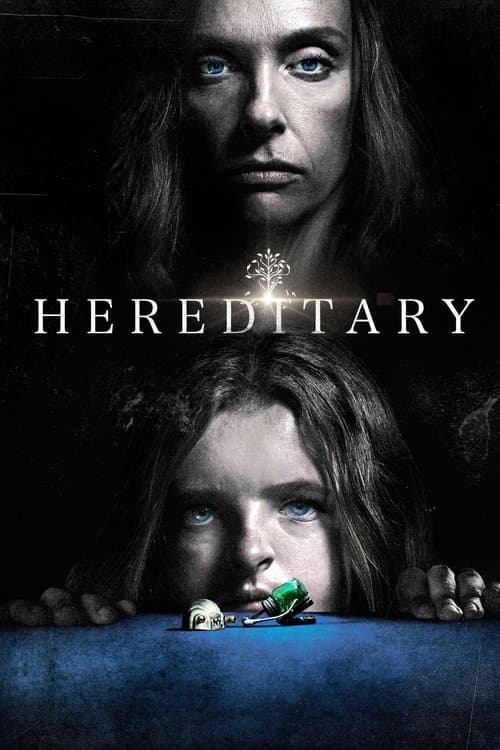
Hereditary
Following the death of the Leigh family matriarch, Annie and her children uncover disturbing secrets about their heritage. Their daily lives are not only impacted, but they also become entangled in a chilling fate from which they cannot escape, driving them to the brink of madness.
The Conjuring (2013)
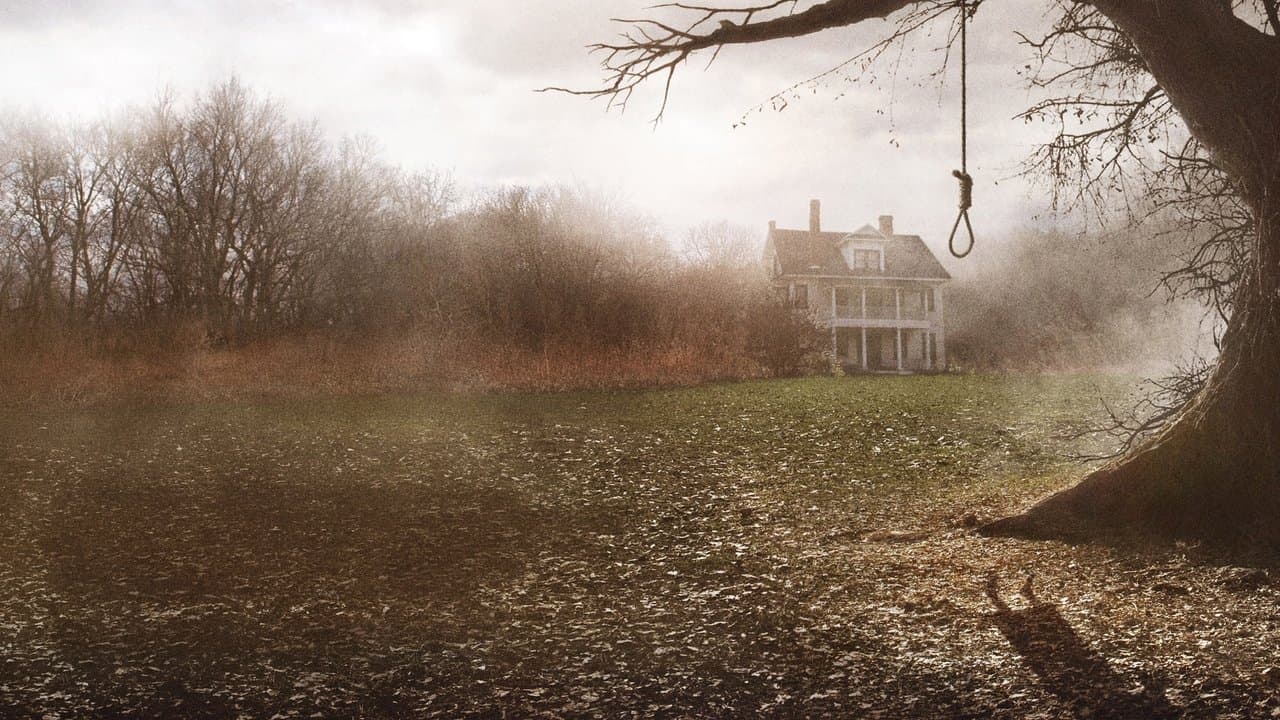
James Wan's supernatural thriller revitalized the haunted house subgenre by combining old-school storytelling techniques with modern filmmaking prowess. Based on the case files of paranormal investigators Ed and Lorraine Warren, "The Conjuring" transcends its "based on a true story" marketing to deliver genuine terror through masterful pacing and atmosphere.
Patrick Wilson and Vera Farmiga bring unexpected depth to the Warrens, creating a compelling emotional core around which the supernatural elements can orbit. What separates this film from lesser imitators is Wan's understanding that effective horror requires investment in the characters—the Perron family feels authentic and sympathetic, elevating their torment beyond mere shock value. The hide-and-clap sequence demonstrates how a children's game can become a vehicle for heart-stopping terror in the hands of a skilled director. Despite spawning numerous sequels and spinoffs, the original remains the standout—a perfect balance of character-driven drama and expertly crafted scares that proves horror doesn't need to sacrifice emotional resonance to terrify audiences.
🎬 Did You Know? Director James Wan used almost no digital effects in the film, instead relying on traditional camera techniques, practical effects, and strategically placed actors in monster makeup to create the supernatural elements.
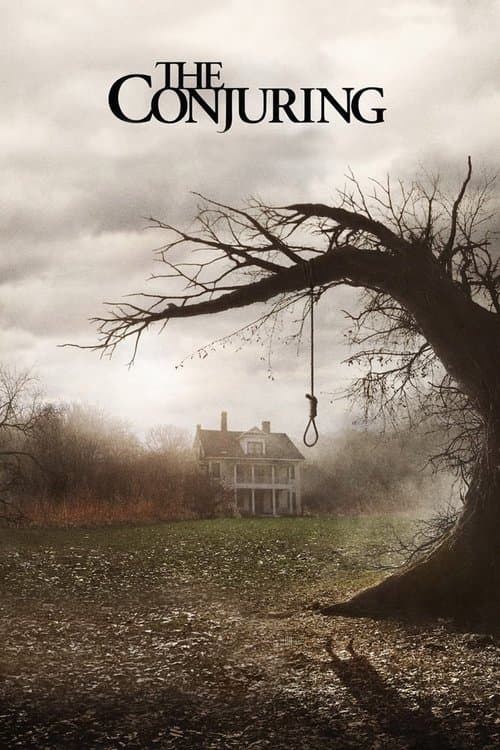
The Conjuring
Paranormal investigators Ed and Lorraine Warren work to help a family terrorized by a dark presence in their farmhouse. Forced to confront a powerful entity, the Warrens find themselves caught in the most terrifying case of their lives.
Get Out (2017)
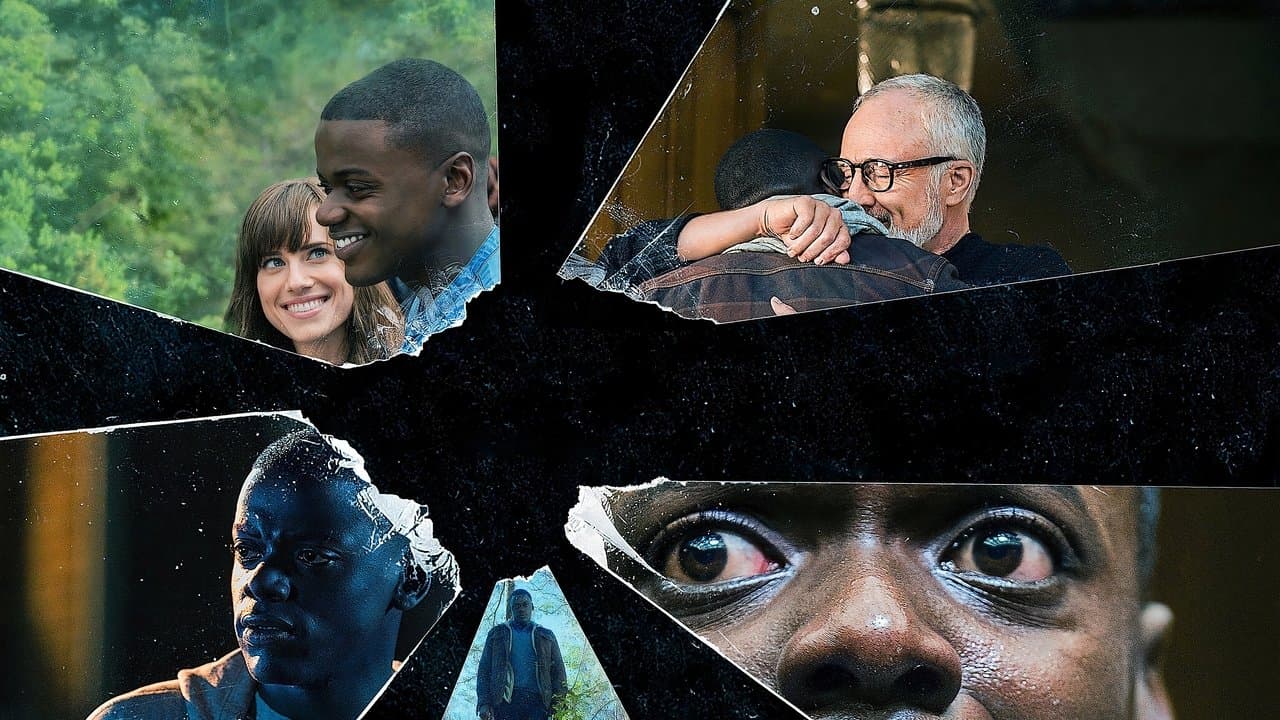
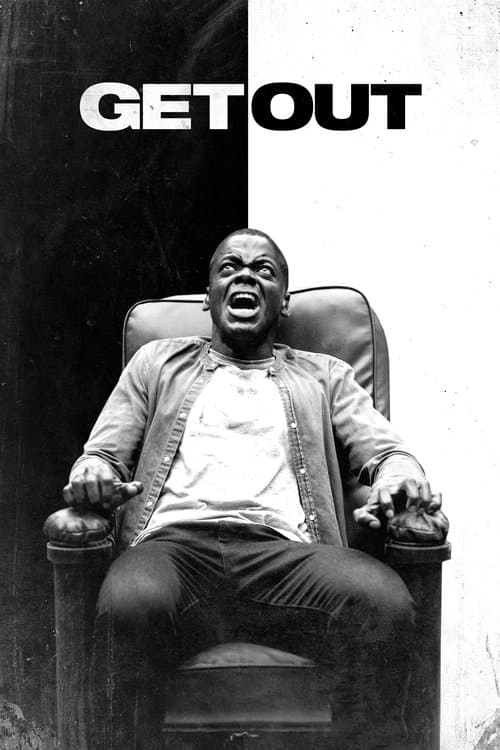
Jordan Peele's directorial debut represents a watershed moment for horror cinema—a film that uses genre conventions to explore America's unresolved racial tensions with surgical precision. What begins as an uncomfortable meet-the-parents scenario gradually reveals itself as something far more insidious, with Daniel Kaluuya's Chris Washington discovering the true nature of his girlfriend's family and their unsettling interest in him.
The genius of "Get Out" lies in how it transforms microaggressions and casual racism into literal horrors—the awkward comments at a garden party are as anxiety-inducing as any traditional scare. Peele's background in comedy serves the film well, with moments of perfectly timed humor providing necessary release valves without undermining the mounting dread. The sunken place remains one of cinema's most powerful visual metaphors for the Black experience in America—conscious but powerless, watching as others control your body and destiny. The film's cultural impact cannot be overstated; it reinvigorated socially conscious horror and proved that genre films could tackle complex issues while still delivering crowd-pleasing thrills and securing both commercial success and critical acclaim.
🎬 Did You Know? The hypnosis scenes featuring the "sunken place" were inspired by director Jordan Peele's own experience with sleep paralysis, a condition where one is conscious but unable to move.
Get Out
Chris and his girlfriend Rose go upstate to visit her parents for the weekend. At first, Chris reads the family's overly accommodating behavior as nervous attempts to deal with their daughter's interracial relationship, but as the weekend progresses, a series of increasingly disturbing discoveries lead him to a truth that he never could have imagined.
The Babadook (2014)
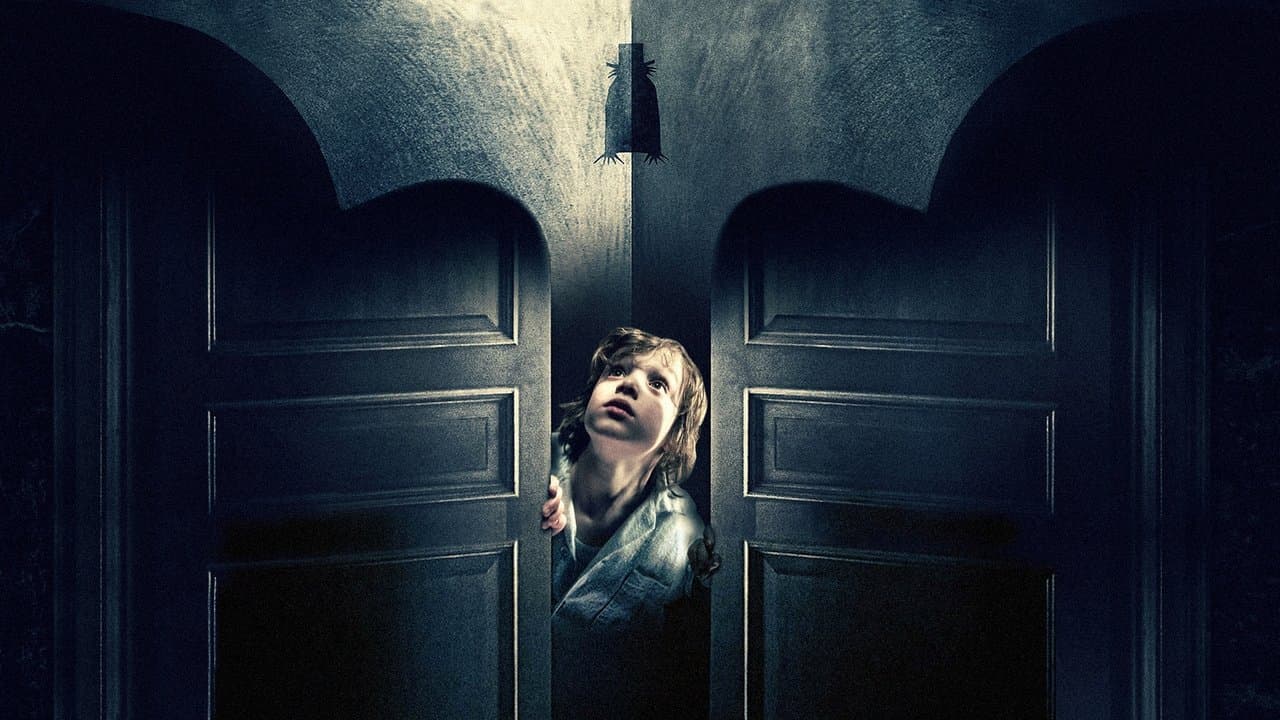
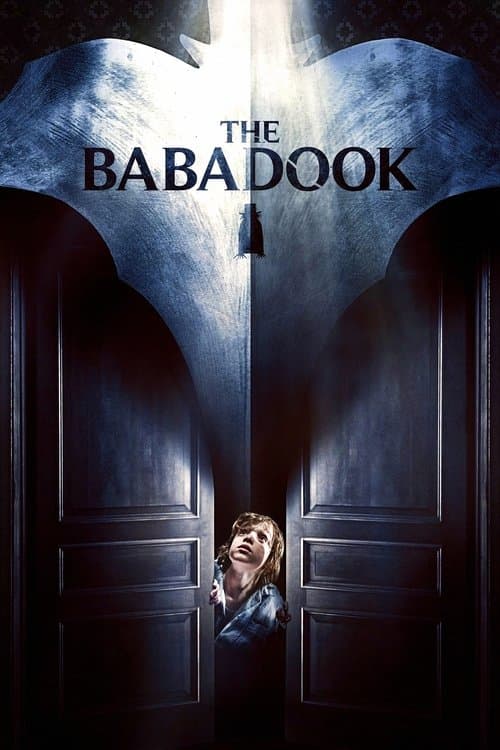
Jennifer Kent's remarkable debut uses the framework of a monster movie to create a devastating portrait of grief, depression, and the challenges of parenthood. Essie Davis gives a tour-de-force performance as Amelia, a widow struggling to raise her troubled son Samuel while processing her husband's death. When Samuel becomes fixated on a mysterious pop-up book featuring the top-hatted monster Mister Babadook, the line between imagination and reality begins to blur.
The Babadook himself is a masterclass in horror design—a charcoal-sketch boogeyman whose jerky movements suggest both silent film villains and something profoundly unnatural. Kent's background in painting informs the film's striking visual style, which grows increasingly expressionistic as Amelia's mental state deteriorates. What elevates "The Babadook" above conventional monster fare is its psychological depth and emotional honesty. The film's ultimate message—that we don't defeat our demons, we learn to live with them—offers a profound metaphor for processing trauma that resonates far beyond traditional horror boundaries. Despite a modest budget, Kent creates moments of pure terror through suggestion and sound design rather than explicit gore or jump scares.
🎬 Did You Know? The eerie children's pop-up book featured in the film was actually created as a real, functioning book, and limited edition copies were later sold to fans after the movie's success.
The Babadook
A grieving single mother and her child fall into a deep well of paranoia when an eerie children's book manifests in their home.
A Quiet Place (2018)
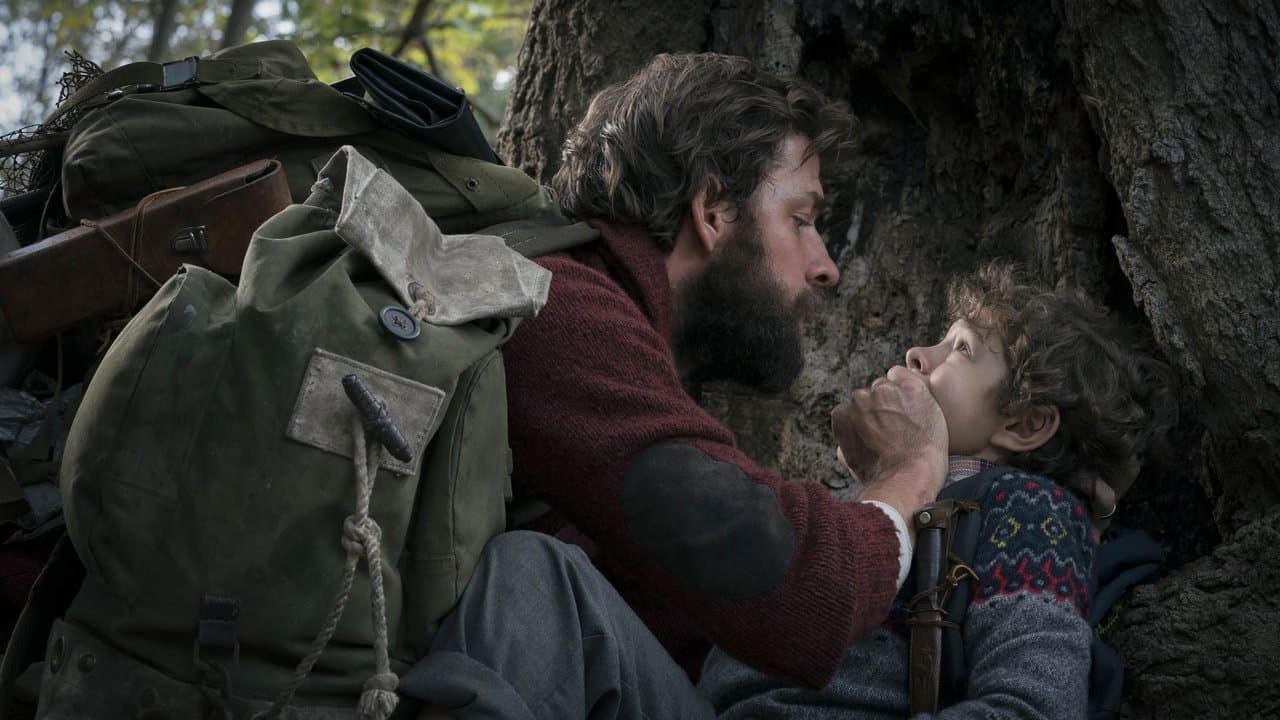
John Krasinski's taut, high-concept thriller turns silence into a weapon of suspense, creating a unique cinematic experience where the audience becomes acutely aware of every creak in the theater. Set in a post-apocalyptic world where blind alien creatures hunt by sound, the film follows the Abbott family as they navigate daily life in near-total silence. This premise could have been merely gimmicky, but Krasinski grounds it in authentic family dynamics and genuine emotional stakes.
The film's opening sequence establishes both the rules of this world and the devastating consequences for breaking them with heartbreaking efficiency. The relationship between Emily Blunt's Evelyn and Millicent Simmonds' Regan forms the emotional backbone of the story, with Regan's deafness becoming both vulnerability and strength. The set pieces are masterfully constructed—a nail protruding from a stair becomes more tension-inducing than any monster, while a childbirth sequence in silence represents one of horror's most unbearably suspenseful moments. By focusing on a family fighting for survival rather than explaining the apocalypse, "A Quiet Place" achieves an intimacy that many larger-scale horror films lack.
🎬 Did You Know? The film contains only about 90 lines of dialogue total, with the cast primarily communicating through American Sign Language, which Krasinski and the other actors learned specifically for their roles.
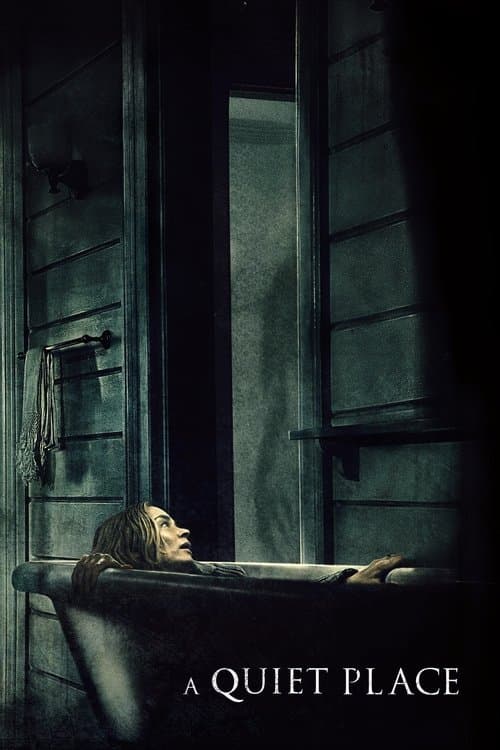
A Quiet Place
A family is forced to live in silence while hiding from creatures that hunt by sound.
Midsommar (2019)
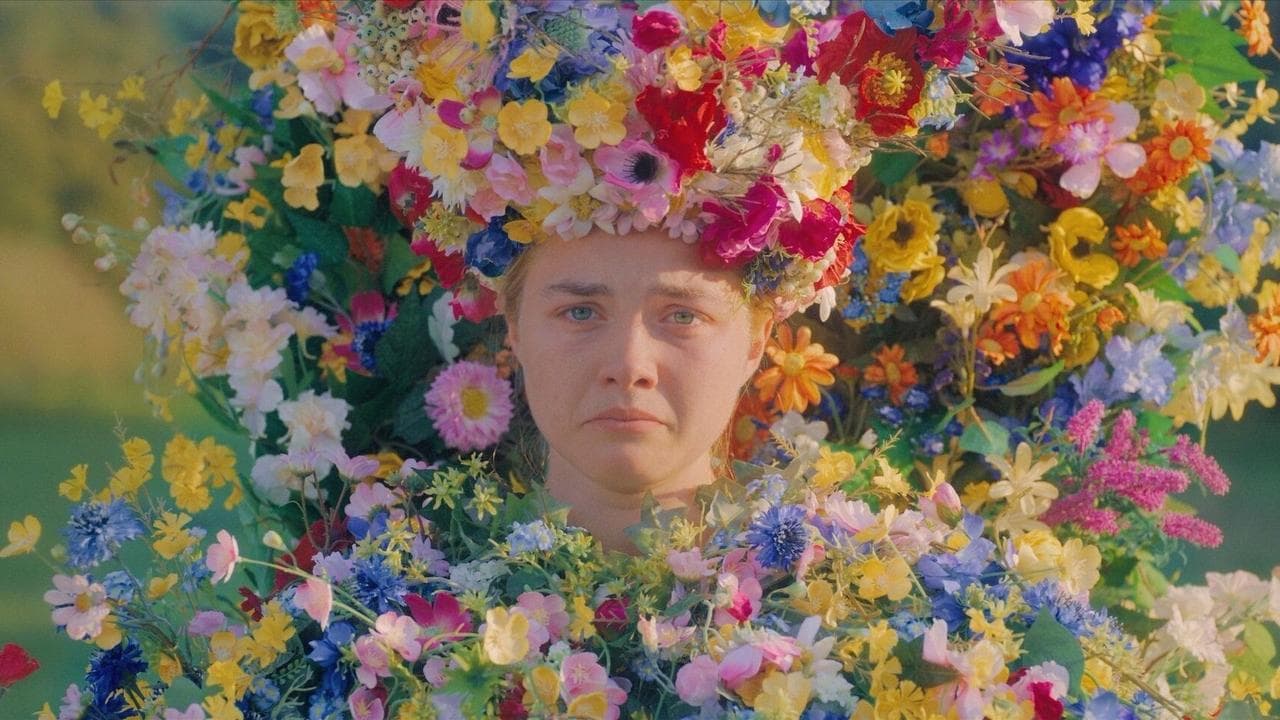
Ari Aster's sophomore feature subverts horror conventions by setting its ritualistic terrors in the perpetual daylight of a Swedish midsummer festival. Florence Pugh delivers a revelatory performance as Dani, a young woman processing profound grief who accompanies her increasingly distant boyfriend and his friends to a once-in-a-lifetime celebration that gradually reveals itself as something far more sinister. The sun-drenched cinematography creates a disorienting effect—horror without the protective cover of darkness.
What makes "Midsommar" so effective is how it disguises its horrors in plain sight, wrapping them in floral arrangements and smiling faces. The Hårga community's rituals are presented with matter-of-fact normalcy that makes their brutality all the more shocking. Aster's meticulous attention to detail creates a fully realized folk horror world where every embroidered pattern and painted mural contains foreshadowing for the unwitting visitors. The film functions brilliantly as relationship drama and breakup narrative—Dani's journey from emotional dependency to a twisted form of liberation forms the true emotional arc. The final sequence, with Pugh's face transforming from anguish to serene smile, remains one of modern horror's most haunting images.
🎬 Did You Know? Florence Pugh's emotionally devastating crying scene was filmed in just one take, with the actress hyperventilating to achieve the realistic sobbing that became one of the film's most memorable moments.
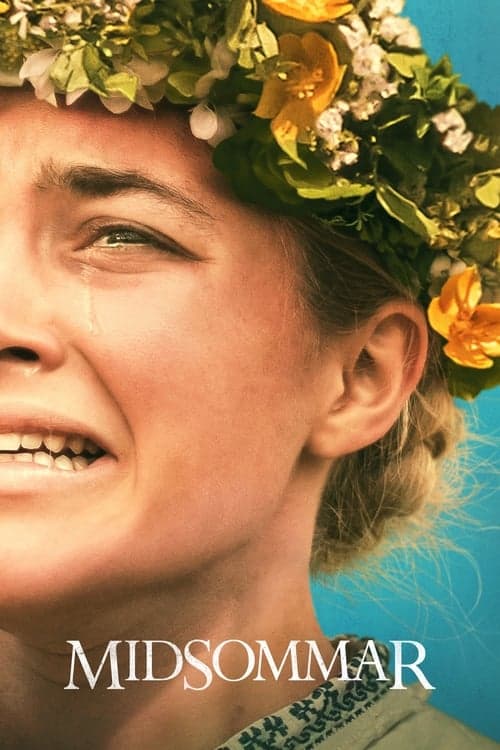
Midsommar
Several friends travel to Sweden to study as anthropologists a summer festival that is held every ninety years in the remote hometown of one of them. What begins as a dream vacation in a place where the sun never sets, gradually turns into a dark nightmare as the mysterious inhabitants invite them to participate in their disturbing festive activities.
Talk to Me (2022)
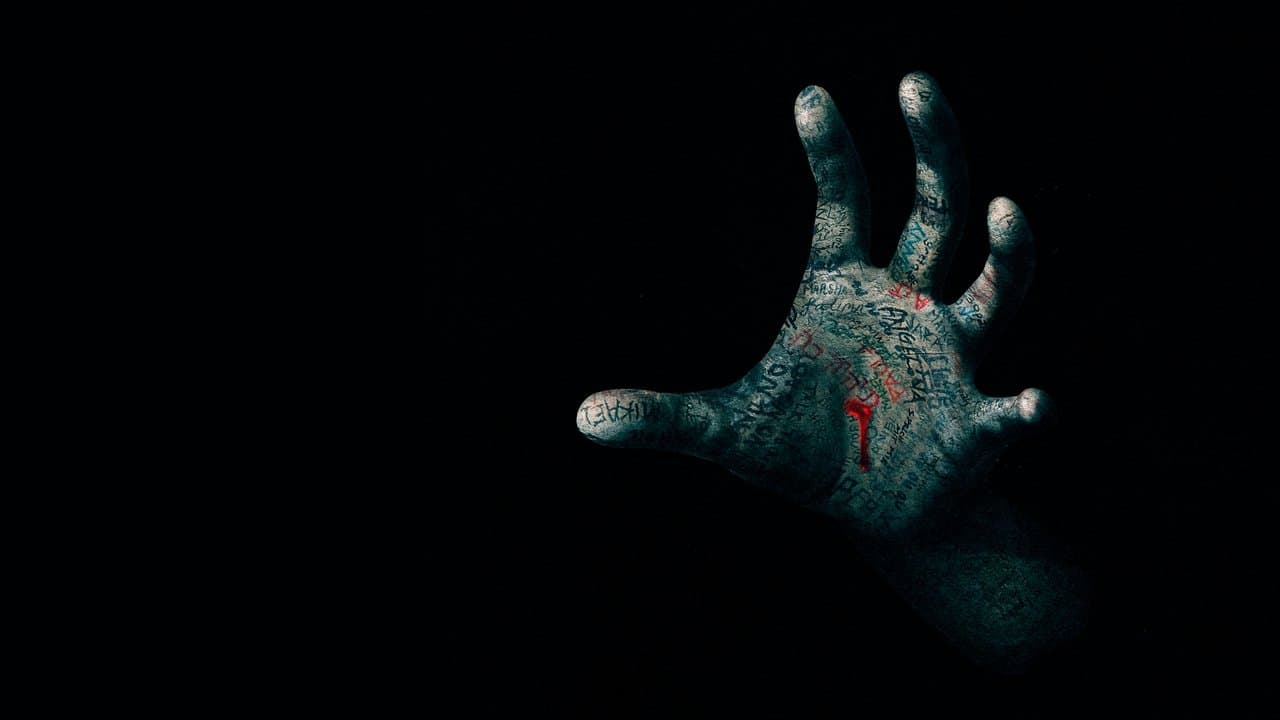
This Australian sensation from twin filmmakers Danny and Michael Philippou (known for their YouTube channel RackaRacka) brings fresh energy to possession horror with its contemporary setting and youthful perspective. Centered on a group of teenagers who discover they can contact the dead using an embalmed hand, "Talk to Me" explores grief, peer pressure, and addiction through supernatural metaphor.
Sophie Wilde delivers a breakthrough performance as Mia, whose unresolved trauma makes her particularly vulnerable to the allure of possession. What begins as a thrilling party trick—"talk to me, let me in"—evolves into genuine horror as the boundaries between the living and dead blur. The possession sequences are viscerally unsettling, with body contortions and self-harm that feel disturbingly authentic. The Philippous bring their experience with viral content to the narrative itself, showing how the teens' recordings of possessions spread through their social circles with dangerous consequences. Despite its modest budget, the film achieves memorable visual flourishes and practical effects that outshine many bigger productions. "Talk to Me" represents the exciting new wave of horror filmmakers who grew up on the genre and understand how to honor traditions while reinventing them for contemporary audiences.
🎬 Did You Know? The filmmakers originally developed the concept as a web series before A24 approached them about expanding it into a feature film, marking their transition from YouTube creators to acclaimed horror directors.
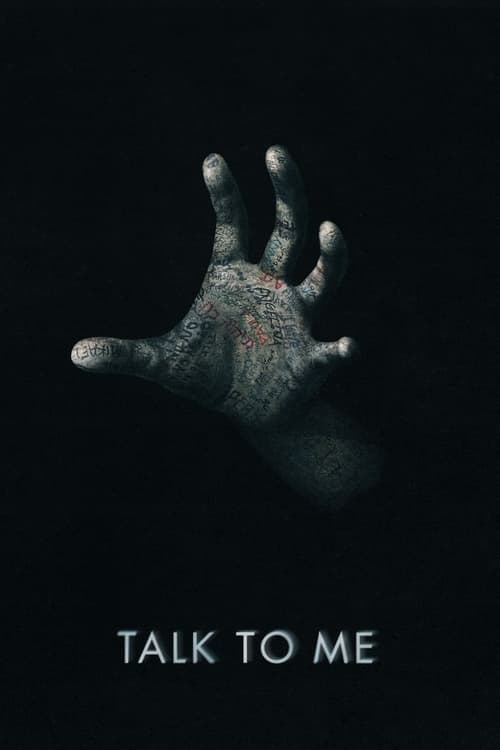
Talk to Me
When a group of friends discover how to conjure spirits using an embalmed hand, they become hooked on the new thrill, until one of them goes too far and unleashes terrifying supernatural forces.
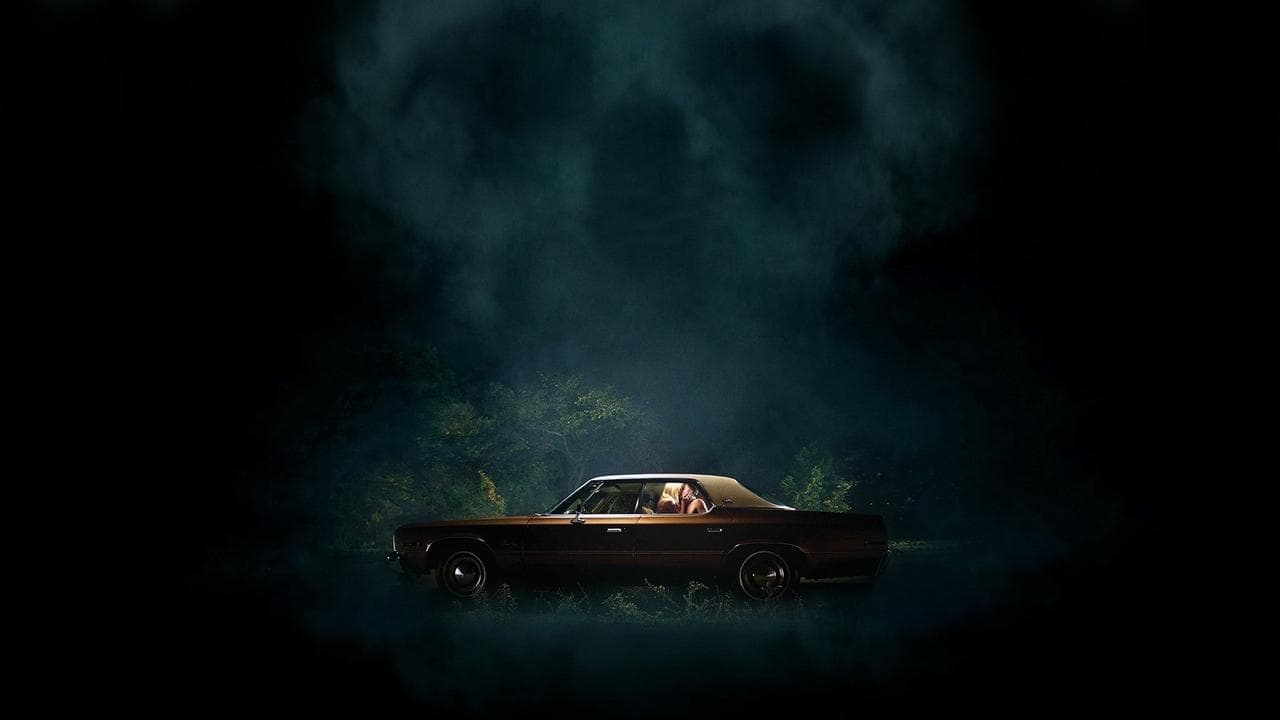
It Follows (2014)
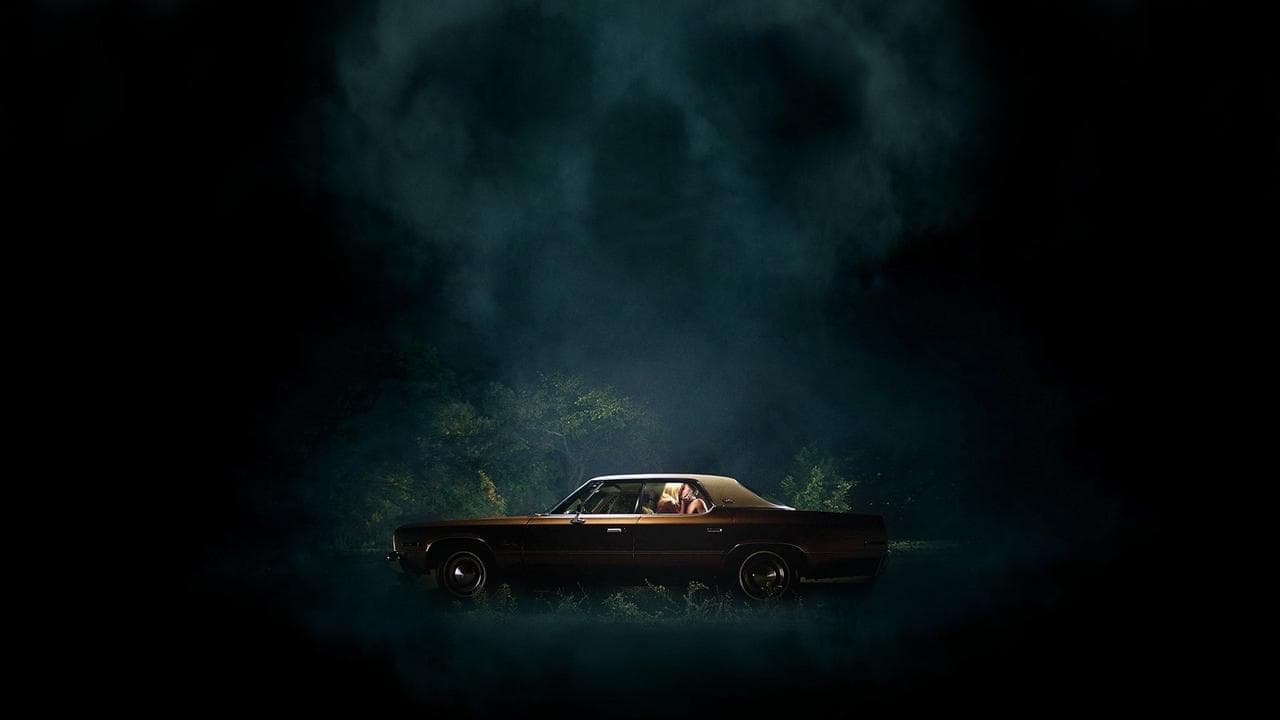
David Robert Mitchell's atmospheric nightmare operates on a deceptively simple premise—a supernatural entity that relentlessly follows its victims at walking pace, visible only to them, passed like a curse through sexual contact. This concept taps into primal fears of inescapable doom while serving as a rich metaphor for sexual anxiety, trauma, and mortality itself.
Maika Monroe's Jay embodies the terrified yet resilient final girl archetype with nuance and depth, while the supporting cast creates a believable friend group rallying around her increasingly bizarre claims. Mitchell's visual style pays homage to John Carpenter with wide shots that turn suburban landscapes into potential danger zones—the entity could emerge from any direction, at any moment. The deliberately ambiguous time period—modern technology alongside vintage television sets and cars—creates a dreamlike quality that enhances the film's existential dread. Disasterpeace's synth score perfectly complements the retro-yet-timeless aesthetic while building tension through pulsing electronic motifs. "It Follows" proves that conceptual originality and atmospheric dread can be more effective than explicit violence, creating a horror film that works simultaneously as supernatural thriller, coming-of-age story, and meditation on life's only certainty—that death follows us all.
🎬 Did You Know? The film's unsettling, dreamlike quality was achieved through the use of a custom-built camera rig called the "Evil Elevator," which allowed for ultra-wide, constantly moving shots that create the sensation of an unseen presence watching.
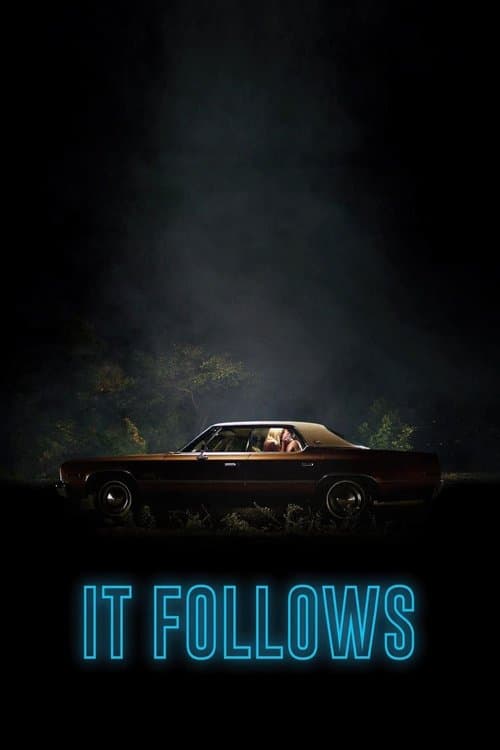
It Follows
A young woman is followed by an unknown supernatural force after a sexual encounter.
The greatest horror films do more than merely frighten—they illuminate aspects of the human condition that other genres often avoid. From the cosmic dread of "Alien" to the intimate family trauma of "Hereditary," these ten masterpieces represent horror at its most artistically accomplished and psychologically penetrating. They remind us that fear, when channeled through skilled filmmakers, can be one of cinema's most powerful and revealing emotions. The next time someone dismisses horror as mere schlock, direct them to these landmark films that continue to disturb, challenge, and captivate audiences around the world. Browse our full Horror collection →